




 |
 |
INDEX
|
|
| Original Inlay and Cassette |
|||
|
TITLE
|
with the beatles |
|||
| CATALOG NUMBER | TC-PCS 3045 / 1E 262 o 04181 |
|||
|
RELEASE DATE
|
October 1970 / First Issue | |||
| TRACK LISTING | SIDE 1 | SIDE 2 | ||
| All My Loving [A3] |
It Won't Be Long [A1] |
|||
| Little Child [A5] | All I've Got To Do [A2] |
|||
| Devil In Her Heart [B5] | Till There Was You [A6] |
|||
| Not A Second Time [B6] |
I Wanna Be Your Man [B4] |
|||
| Please Mister Postman [A7] |
Don't Bother Me [A4] |
|||
| Hold Me Tight [B2] |
Roll Over Beethoven [B1] |
|||
| You Really Gotta Hold On Me [B3] (*as printed on the inlay and label) |
Money [B7] |
|||
| CASSETTE CASE AND TAPE |
CASE FRONT | CASE BACK | SIDE 1 --> Click! | SIDE 2 --> Click! |
 |
 |
|
 |
|
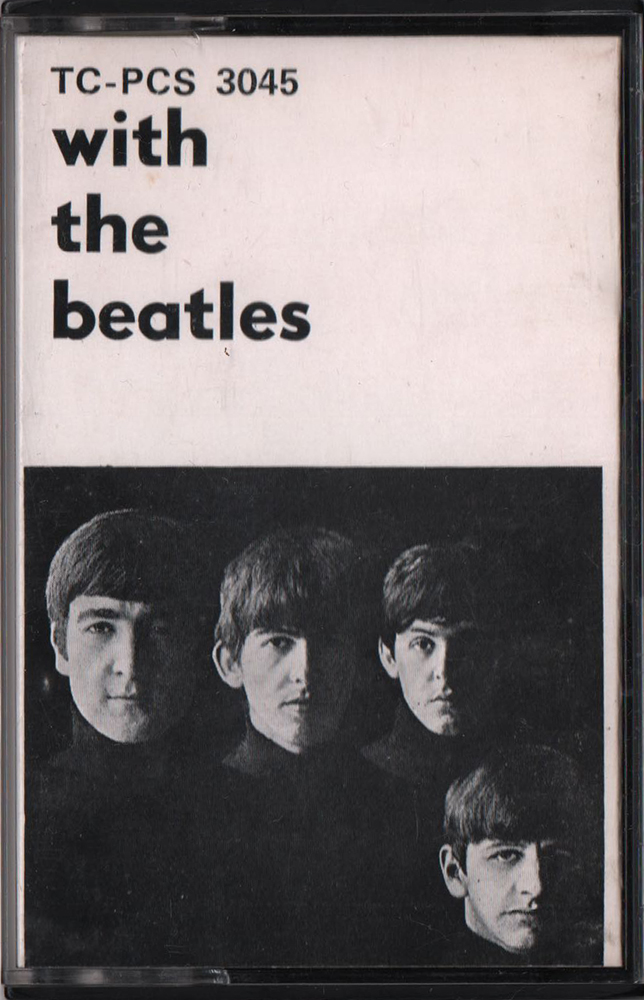
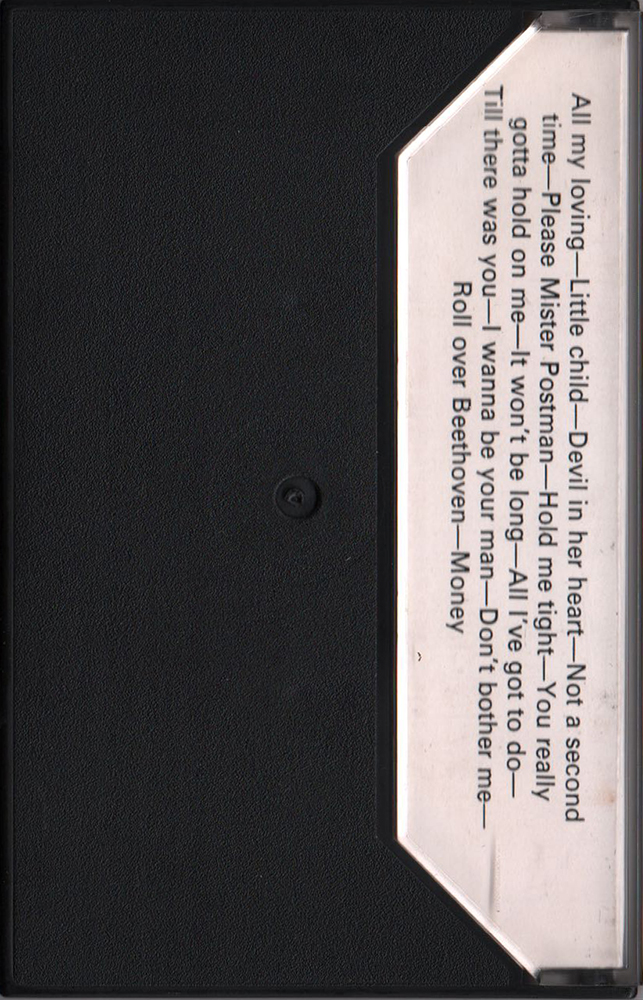
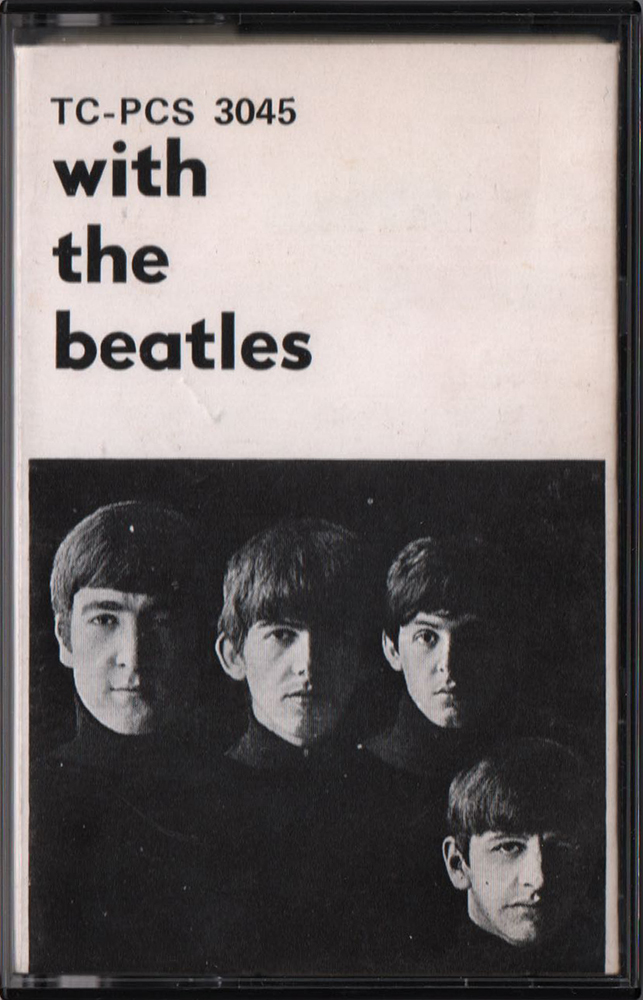
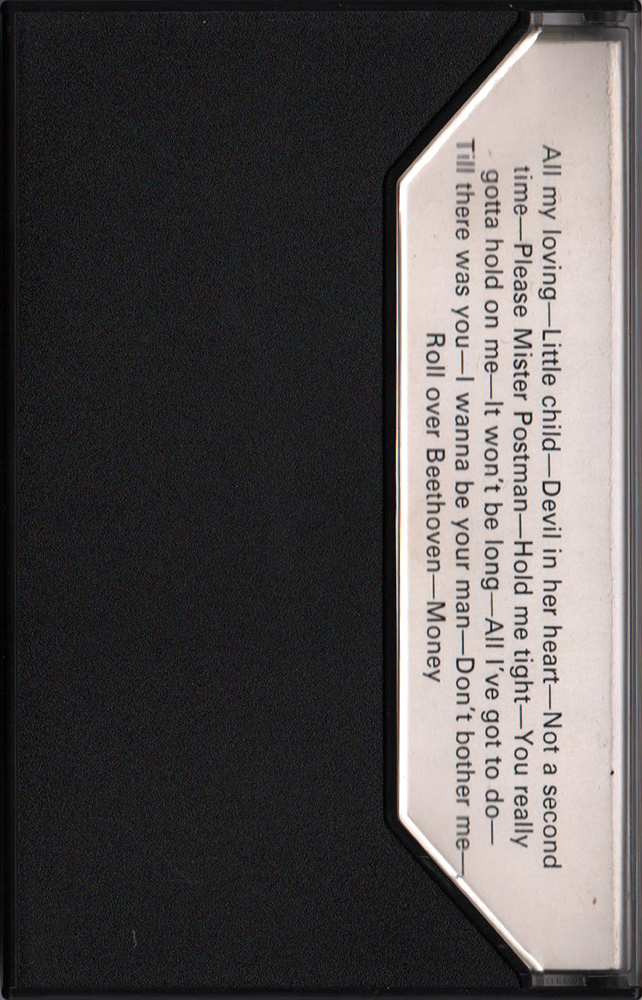
| The cassette cases ("Norelco" cases)
were clear plastic at the front and around the spine area,
and black plastic at the rear. |
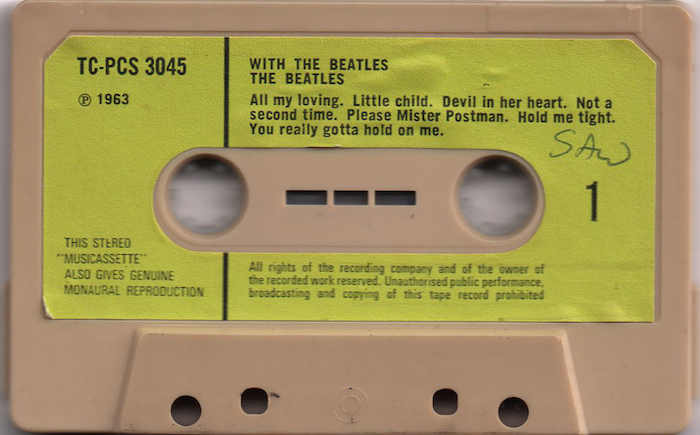
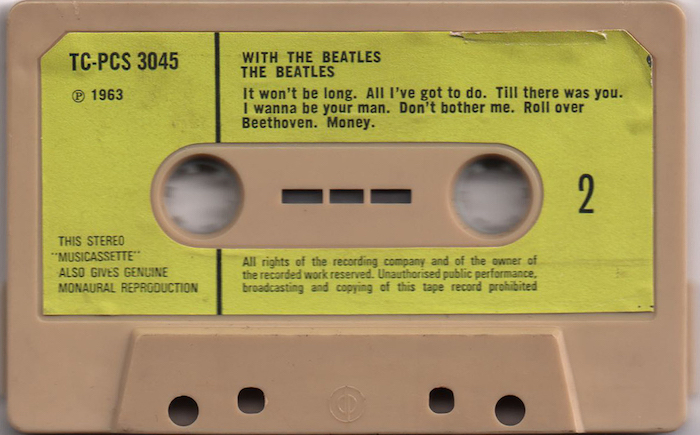
This UK issue has Lemon
Yellow
paper label without Parlophone logo. Has the shell with three windows. |
|||
| INLAY |
INLAY: FRONT | INLAY: INSIDE |
||
 |
 |
|||
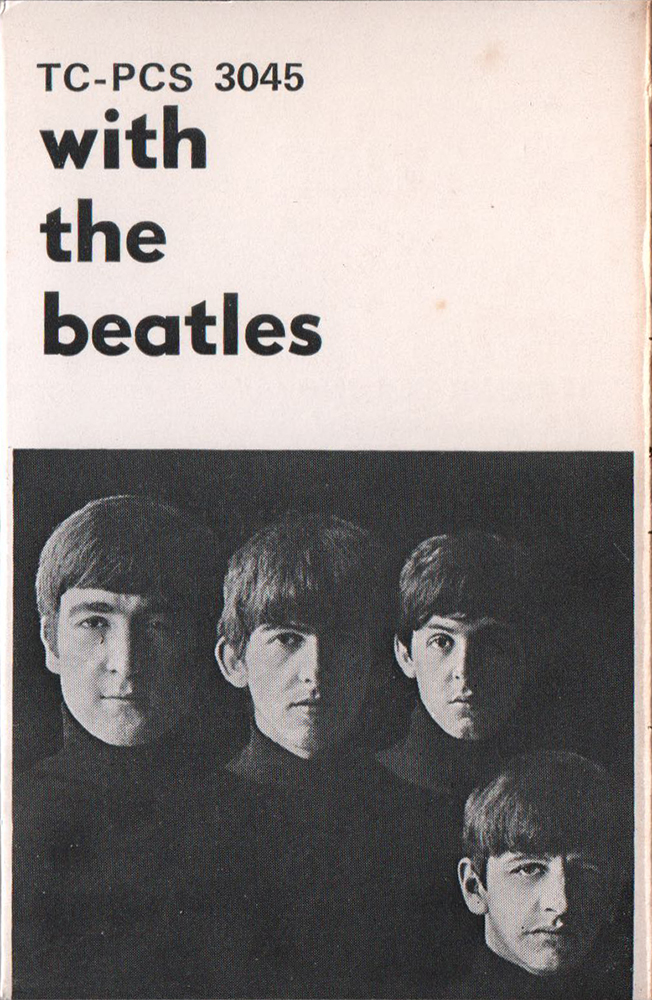
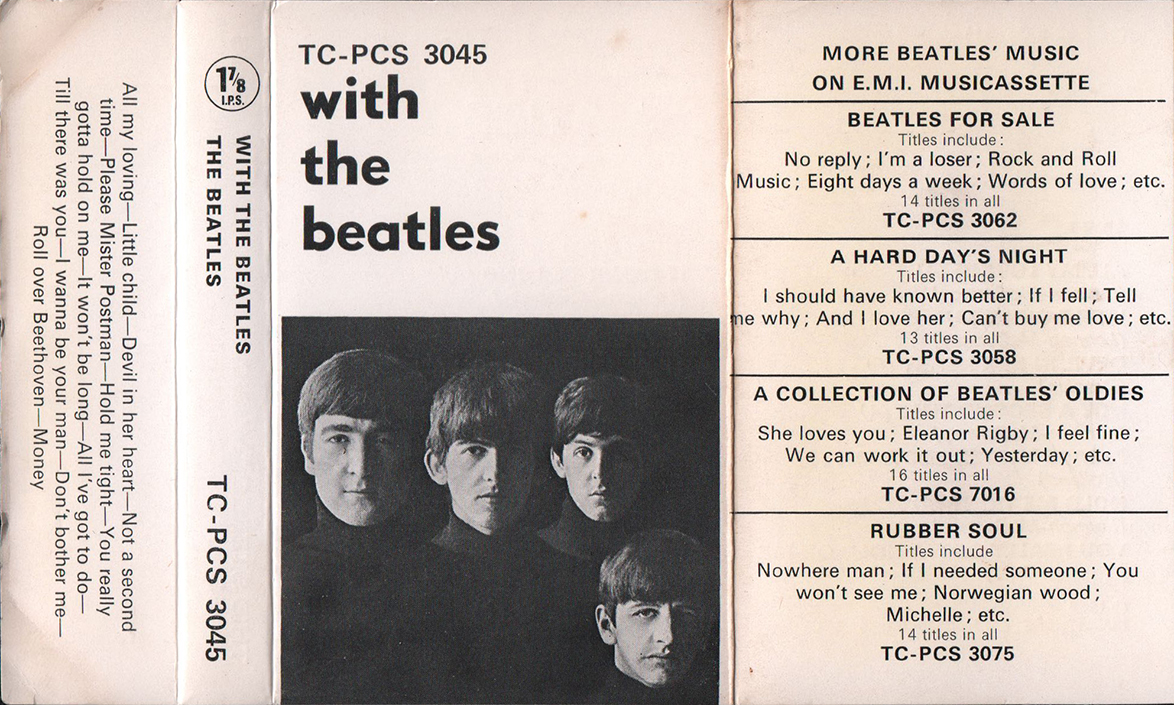
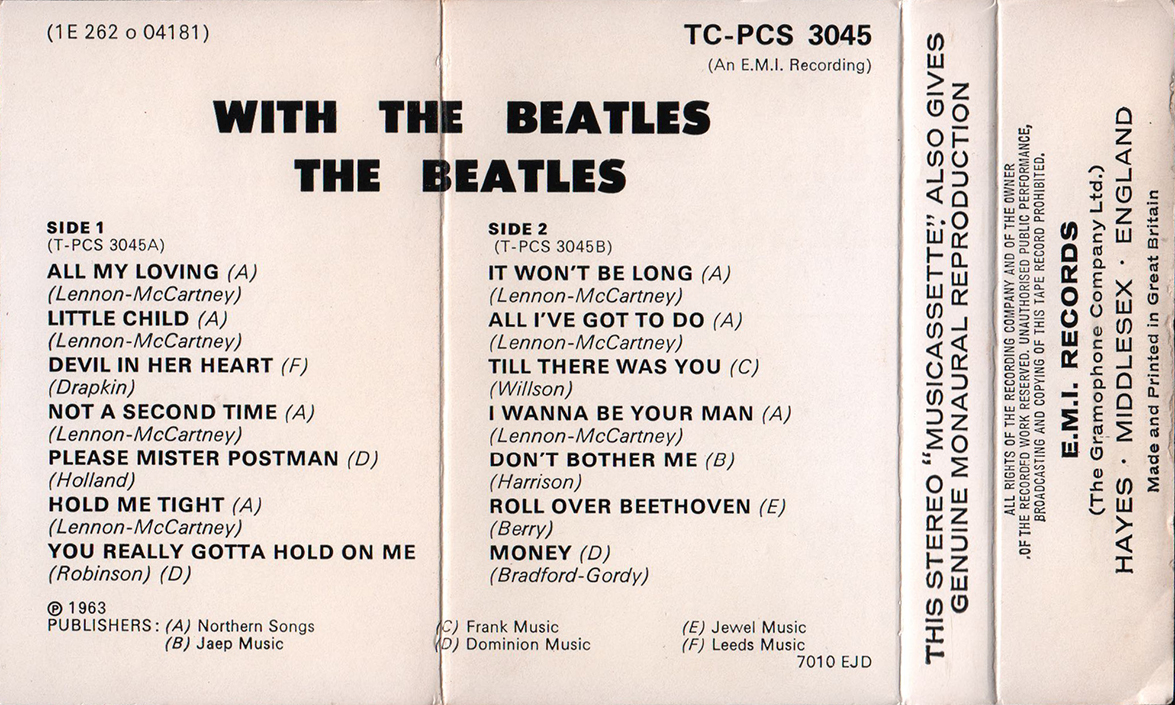
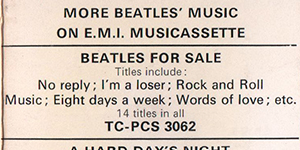
| This copy has a white foldover inlay with a small reproduction of the album cover, but no additional artwork or original liner notes. The track listings were printed on the reverse, while the foldover advertised other available Beatles and solo cassettes. |
||||
| INLAY: FRONT CLOSE-UP | ||||
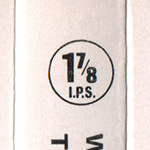 |
The
circular 1 7/8 " I.P.S. mark was printed on the spine. The standard tape speed for a compact cassette is 1 ⅞ ips (1.875 inches per second). |
 |
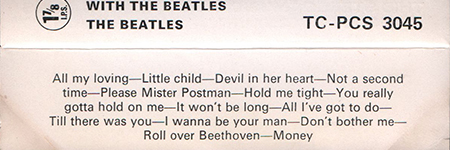
The track listings were
printed on the reverse of the inlay while the foldovers
advertised other available Beatles cassettes. |
|
| INLAY: FRONT CLOSE UP | ||||
 |
The cassette running order may have been rearranged to balance the playing times of the two sides. It was most likely also related to the need to balance the four programs on the 8-track edition produced alongside it. |
|||
| INLAY: INSIDE CLOSE-UP | ||||
 |
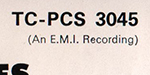 |
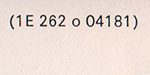
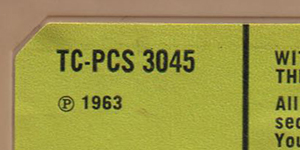
Catalog number "TC-PCS 3045" and the EMI country code (*1) were printed on the inlay. | 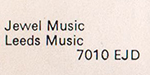 |
The printer's code "7010 EJD" was printed at the bottom of the inlay. It is thought to indicate October 1970 and Ernest J. Day. |
 |
||||
| INLAY: INSIDE CLOSE-UP | ||||
 |
 |
|||
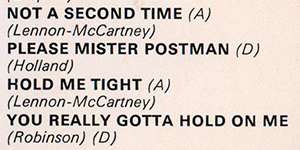
| The inlay and labels list track 7 on Side 1 as "YOU REALLY GOTTA HOLD ON ME". |
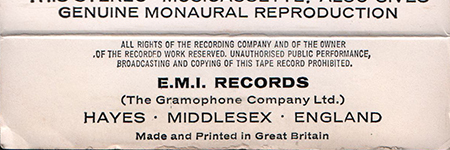
"E.M.I. Records (The Gramophone Company Ltd.)" credit was printed at the bottom of the inside of the inlay. | |||
| LABEL CLOSE-UP | ||||
 |
 |
 |
 |
|
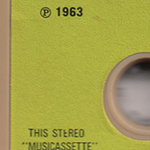
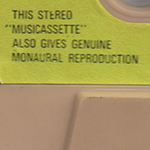
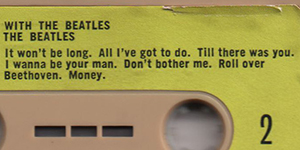
| This cassette was issued without the £ Parlophone logo. The "1E" number was printed on the inlay alongside "TC-PCS 3045", but was not printed on the labels. |
A prerecorded music cassette is called a "Musicassette". | The "DP (*2)" logo can often be found molded into cassette shells, especially during the early to mid 1970s. | ||
| LABEL CLOSE-UP | ||||
| SIDE
1 |
SIDE 2 |
The
track listings
were
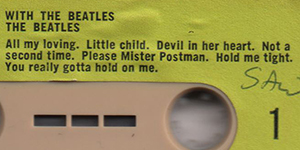
printed on the reverse of the inlay. EMI originally issued
the Beatles UK albums on cassette tape with re-arranged
running orders. Has the shell with three windows. |
||
 |
 |
|||
| LABEL CLOSE-UP | ||||
 |
"Made
in
U.S.A/Made in England" was not embossed on the shell. |
|||
| OTHER ITEM | ||||
| - |
||||
| LABEL | Lemon Yellow Paper Label without Parlophone logo |
|||
| MIX | STEREO |
|||
| RECORD COMPANY'S NAME | EMI Records (The Gramophone Company Ltd.) / An E.M.I. Recording | |||
| CENTRAL REMARK "SOLD IN U.K." |
- | |||
| RECORDING PUBLISHED CREDIT | ℗ 1963 |
|||
| INLAY FORM | "white" inlay (Foldover) |
|||
| SHELL | Light Gray Shell with three windows
(possibly supplied by Data Packaging Corporation, as suggested by the molded "dp" logo) |
|||
| CASSETTE CASE |
"Norelco"
cases:
clear
plastic at the front and around the spine area, and black
plastic at the rear. |
|||
| PRINTER CREDIT | Made and Printed in Great Britain / 7010
EJD |
|||
| COVER DESIGN/ PHOTO/ NOTES | Cover photo: Robert Freeman |
|||
| PRODUCER | George Martin | |||
| COMMENTS | The original Beatles cassette
release of "Sgt. Pepper's" in October 1967, through "Abbey Road (November 1969?)", "Let It Be (August 1970)", and the first
release of most of the other Beatles cassette albums in
Sept. and Oct, 1970, just months after EMI opened their new
tape duplicating facilities at Hayes in Middlesex in July,
1970.
Between 1967 and June 1970, EMI's early musicassettes were manufactured by the Dutch firm, Philips themselves - the inventor and originator of the cassette. EMI opened its new tape duplicating facilities at Hayes, Middlesex in July 1970. These cassettes had bright yellow paper labels. Logo styles varied by period and copy, including the black-boxed EMI/Parlophone logo and labels without a logo. The absence of a logo may have been due to a shortage of costly letterpress blocks. The white inlay design of Let It Be provided the template for most subsequent Beatles cassette releases. Most Beatles cassette releases in 1970 and 1971 used white inlays with a small reproduction of the album cover, but no additional artwork or original liner notes. The codes 7010 and 7009 on the inside of the inlay are thought to indicate its printing date (October and September 1970, respectively), followed by the printer's initials: EJD, G&L or DP (Ernest J. Day, Garrod & Lofthouse or Data Packaging). An inlay's printing date does not necessarily establish when the cassette itself was issued. Advertising for other Beatles/solo albums was on the foldover front, and the EMI UK catalog no. (TC-PCS-XXXX) was on the front cover at the top and on the spine. The spine also carried the tape speed, 1&7/8 ths in a circular logo style at the top. The cassette cases ("Norelco" cases) were clear plastic at the front and around the spine area, and black plastic at the rear. The cassette running order may have been rearranged to balance the playing times of the two sides. It was most likely also related to the need to balance the four programs on the 8-track edition produced alongside it. The "DP (*2)" logo was embossed on the cassette shells. "MADE IN U.S.A./Made in England" was not embossed on the shell. (*1) EMI country code: 1E 262 o 04181 The EMI country codes (introduced on 1 June, 1969): In most cases the EMI Codes are the first two letters of the record's catalog#. These EMI Country Codes were used to indicate the country in which the record was pressed. Note this doesn't necessarily mean the record was also released in that country (from Discogs). OC / 0C / 1E= UK (*2) Data Packaging Corporation: (who also traded as Hellerman Data Packaging Ltd) supplied cassette and 8 track shells, tape and other components to the music industry. The "DP" logo can often be found molded into cassette shells, especially during the early to mid 1970s. |
|||
|
TITLE
|
with the beatles |
|||
| CATALOG NUMBER | TC-PCS 3045 / 1E 262 o 04181 |
|||
|
RELEASE DATE
|
Mid-1971? / Third Issue? | |||
| TRACK LISTING | SIDE 1 | SIDE 2 | ||
| All My Loving [A3] |
It Won't Be Long [A1] |
|||
| Little Child [A5] | All I've Got To Do [A2] |
|||
| Devil In Her Heart [B5] | Till There Was You [A6] |
|||
| Not A Second Time [B6] |
I Wanna Be Your Man [B4] |
|||
| Please Mister Postman [A7] |
Don't Bother Me [A4] |
|||
| Hold Me Tight [B2] |
Roll Over Beethoven [B1] |
|||
| You Really Gotta Hold On Me [B3] (*as printed on the inlay and label) |
Money [B7] |
|||
| CASSETTE CASE AND TAPE |
CASE FRONT | CASE BACK | SIDE 1 --> Click! | SIDE 2 --> Click! |
 |
 |
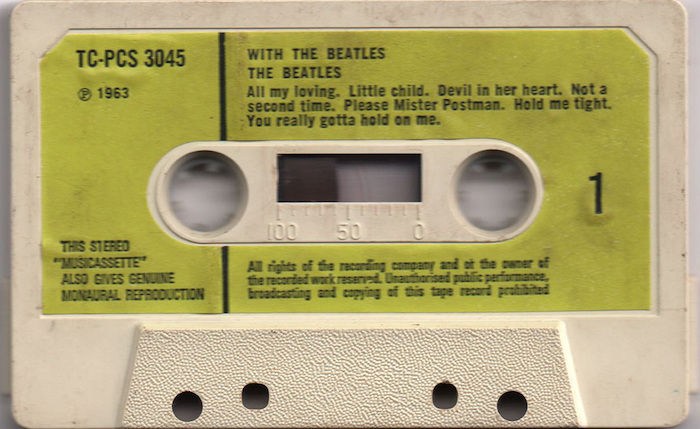 |
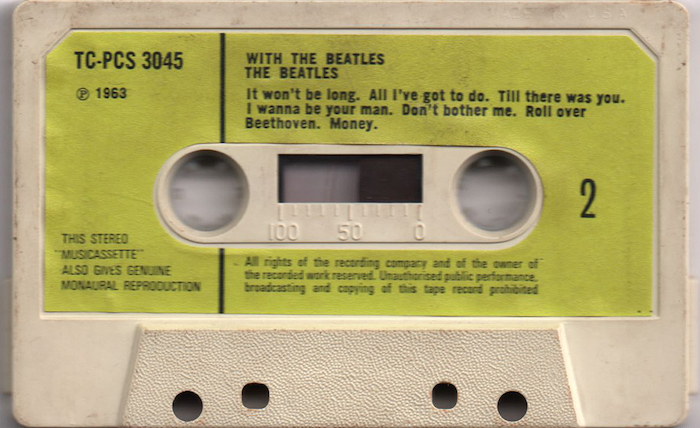 |
|
| The cassette cases ("Norelco" cases)
were clear plastic at the front and around the spine area,
and black plastic at the rear. |
This UK issue has Lemon
Yellow paper label without Parlophone logo |
|||
| INLAY |
INLAY: FRONT | INLAY: INSIDE |
||
 |
 |
|||
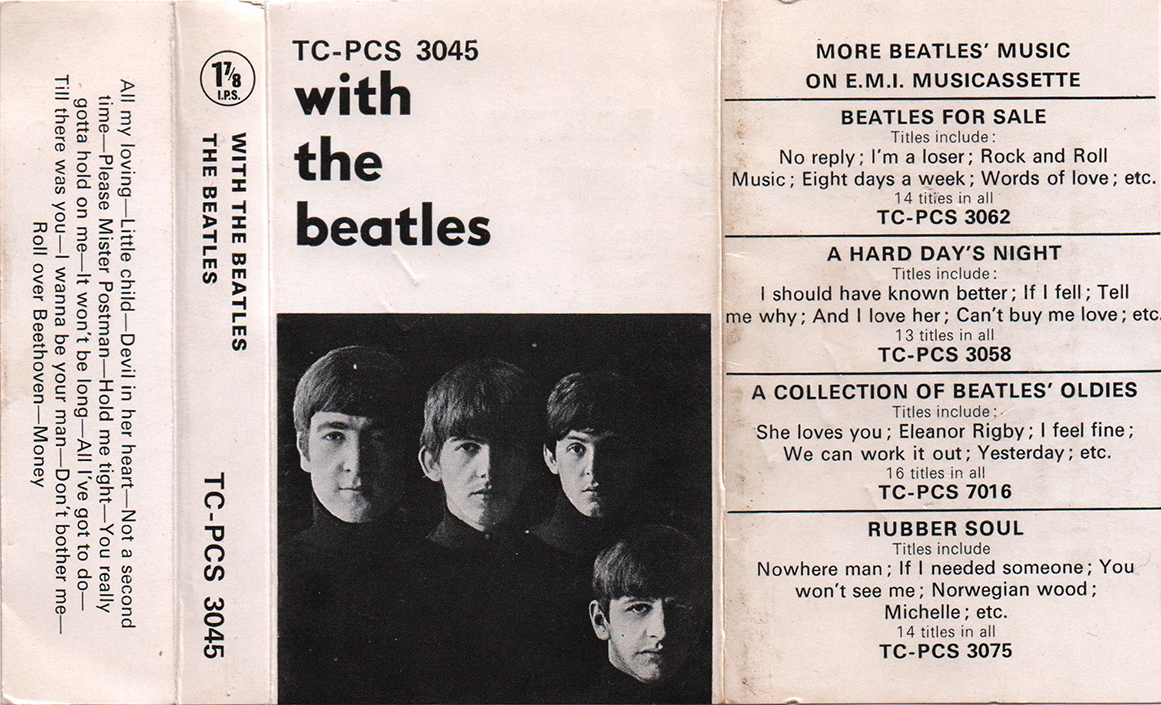
| This copy has a white foldover inlay with a small reproduction of the album cover, but no additional artwork or original liner notes. The track listings were printed on the reverse, while the foldover advertised other available Beatles and solo cassettes. |
||||
| INLAY: FRONT CLOSE-UP | ||||
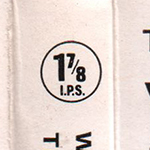 |
The
circular 1 7/8 " I.P.S. mark was printed on the spine. The standard tape speed for a compact cassette is 1 ⅞ ips (1.875 inches per second). |
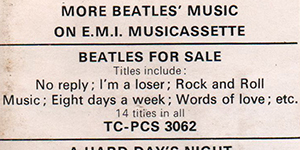 |
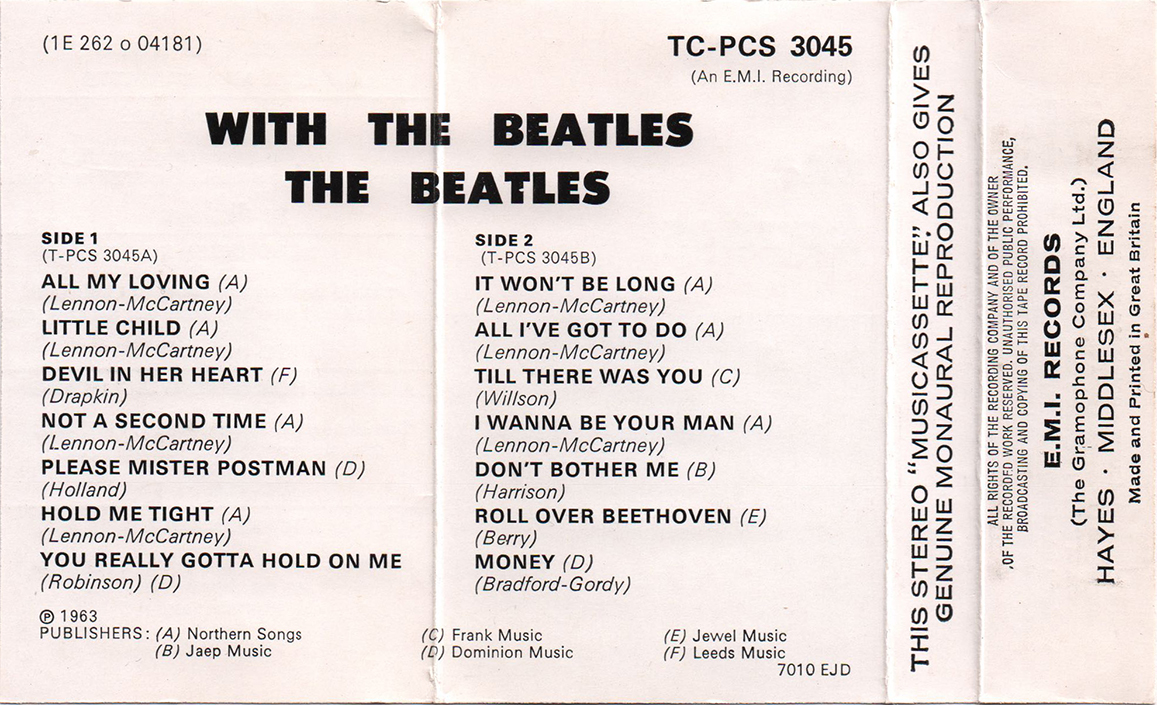
The track listings were
printed on the reverse of the inlay while the foldovers
advertised other available Beatles cassettes. |
|
| INLAY: FRONT CLOSE-UP | ||||
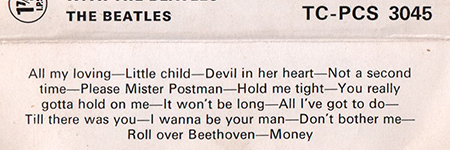 |
The cassette running order may have been rearranged to balance the playing times of the two sides. It was most likely also related to the need to balance the four programs on the 8-track edition produced alongside it. |
|||
| INLAY: INSIDE CLOSE-UP | ||||
 |
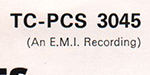 |
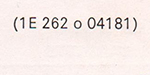
Catalog number "TC-PCS 3045" and the EMI country code (*1) were printed on the inlay. | 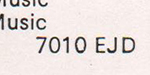 |
The printer's code "7010 EJD" was printed at the bottom of the inlay. It is thought to indicate October 1970 and Ernest J. Day. |
 |
||||
| INLAY: INSIDE CLOSE UP | ||||
 |
 |
|||
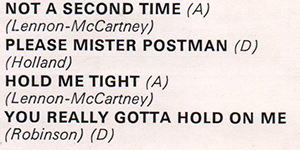
| The inlay and labels list track 7 on Side 1 as "YOU REALLY GOTTA HOLD ON ME". |
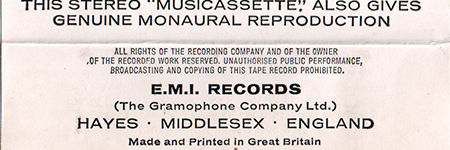
"E.M.I. Records (The Gramophone Company Ltd.)" credit was printed at the bottom of the inside of the inlay. | |||
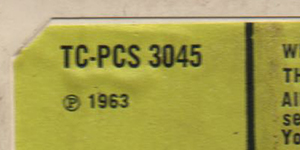
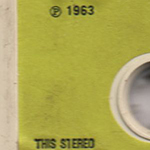
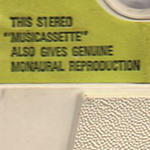
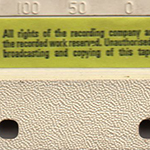
| LABEL CLOSE-UP | ||||
 |
 |
 |
 |
|
| This cassette was issued without the £ Parlophone logo. The "1E" number was printed on the inlay alongside "TC-PCS 3045", but was not printed on the labels. |
A prerecorded music cassette is called a "Musicassette". | The "DP (*2)" logo can often be found molded into cassette shells, especially during the early to mid 1970s. | ||
| LABEL CLOSE-UP | ||||
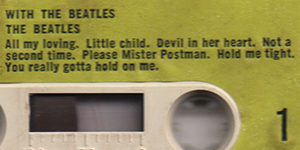
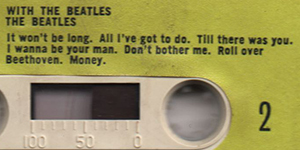
| SIDE
1 |
SIDE 2 |
The track listings were printed on the reverse of the inlay. EMI originally issued the Beatles UK albums on cassette tape with re-arranged running orders. | ||
 |
 |
|||
| LABEL CLOSE-UP | ||||
 |
"Made
in U.S.A" was embossed on the shell. |
|||
| OTHER ITEM | ||||
| - |
||||
| LABEL | Lemon Yellow Paper Label without Parlophone logo |
|||
| MIX | STEREO |
|||
| RECORD COMPANY'S NAME | EMI Records (The Gramophone Company Ltd.) / An E.M.I. Recording | |||
| CENTRAL REMARK "SOLD IN U.K." |
- | |||
| RECORDING PUBLISHED CREDIT | ℗ 1963 |
|||
| INLAY FORM | "white" inlay (Foldover) |
|||
| SHELL | White Shell / embossed "MADE IN
USA" |
|||
| CASSETTE CASE |
"Norelco"
cases:
clear plastic at the front and around the spine area, and
black plastic at the rear. |
|||
| PRINTER CREDIT | Made and Printed in Great Britain / 7010
EJD |
|||
| COVER DESIGN/ PHOTO/ NOTES | Cover photo: Robert Freeman |
|||
| PRODUCER | George Martin | |||
| COMMENTS | The original Beatles cassette
release of "Sgt. Pepper's" in October 1967, through "Abbey Road (November 1969?)", "Let It Be (August 1970)", and the first
release of most of the other Beatles cassette albums in
Sept. and Oct, 1970, just months after EMI opened their new
tape duplicating facilities at Hayes in Middlesex in July,
1970.
Between 1967 and June 1970, EMI's early musicassettes were manufactured by the Dutch firm, Philips themselves - the inventor and originator of the cassette. EMI opened its new tape duplicating facilities at Hayes, Middlesex in July 1970. These cassettes had bright yellow paper labels. Logo styles varied by period and copy, including the black-boxed EMI/Parlophone logo; some were issued without the logo. The absence of a logo may have been due to a shortage of costly letterpress blocks. The white inlay design of Let It Be provided the template for most subsequent Beatles cassette releases. Most Beatles cassette releases in 1970 and 1971 used white inlays with a small reproduction of the album cover, but no additional artwork or original liner notes. The codes 7010 and 7009 on the inside of the inlay are thought to indicate its printing date (October and September 1970, respectively), followed by the printer's initials: EJD, G&L or DP (Ernest J. Day, Garrod & Lofthouse or Data Packaging). An inlay's printing date does not necessarily establish when the cassette itself was issued. Advertising for other Beatles/solo albums was on the foldover front, and the EMI UK catalog no. (TC-PCS-XXXX) was on the front cover at the top and on the spine. The spine also carried the tape speed, 1&7/8 ths in a circular logo style at the top. The cassette cases ("Norelco" cases) were clear plastic at the front and around the spine area, and black plastic at the rear. The cassette running order may have been rearranged to balance the playing times of the two sides. It was most likely also related to the need to balance the four programs on the 8-track edition produced alongside it. The "DP (*2)" logo was not embossed on the cassette shells. "MADE IN U.S.A." was embossed on the shell. (*1) EMI country code: 1E 262 o 04181 The EMI country codes (introduced on 1 June, 1969): In most cases the EMI Codes are the first two letters of the record's catalog#. These EMI Country Codes were used to indicate the country in which the record was pressed. Note this doesn't necessarily mean the record was also released in that country (from Discogs). OC / 0C / 1E= UK (*2) Data Packaging Corporation: (who also traded as Hellerman Data Packaging Ltd) supplied cassette and 8 track shells, tape and other components to the music industry. The "DP" logo can often be found molded into cassette shells, especially during the early to mid 1970s. |
|||
|
TITLE
|
with the beatles |
|||
| CATALOG NUMBER | TC-PCS 3045 / 1E 262 o 04181 |
|||
|
RELEASE DATE
|
Late 1971? / 4th Issue? | |||
| TRACK LISTING | SIDE 1 | SIDE 2 | ||
| All My Loving [A3] |
It Won't Be Long [A1] |
|||
| Little Child [A5] | All I've Got To Do [A2] |
|||
| Devil In Her Heart [B5] | Till There Was You [A6] |
|||
| Not A Second Time [B6] |
I Wanna Be Your Man [B4] |
|||
| Please Mister Postman [A7] |
Don't Bother Me [A4] |
|||
| Hold Me Tight [B2] |
Roll Over Beethoven [B1] |
|||
| You Really Gotta Hold On Me [B3] (*as printed on the inlay and label) |
Money [B7] |
|||
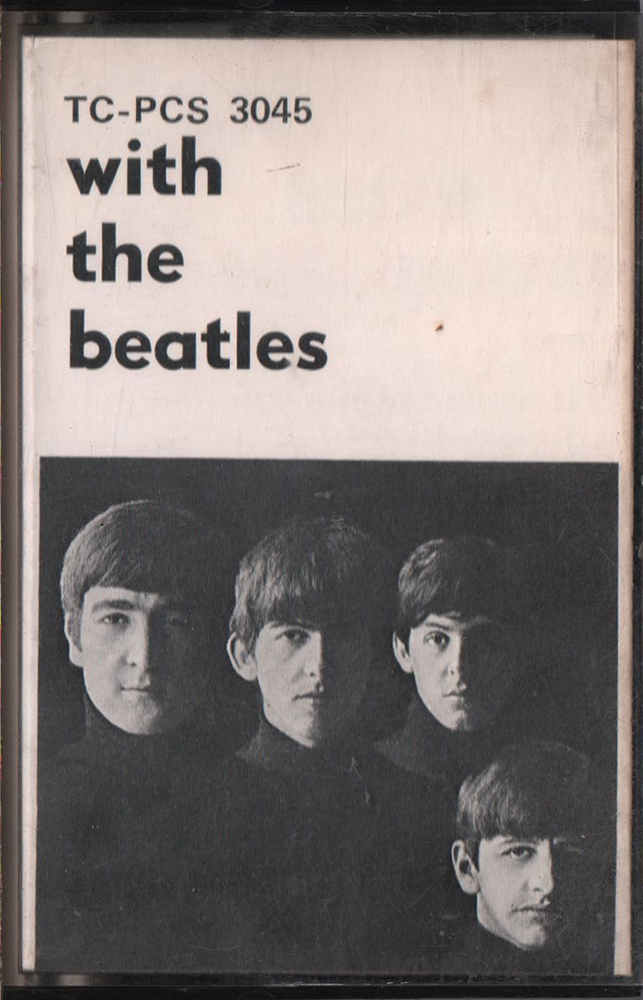
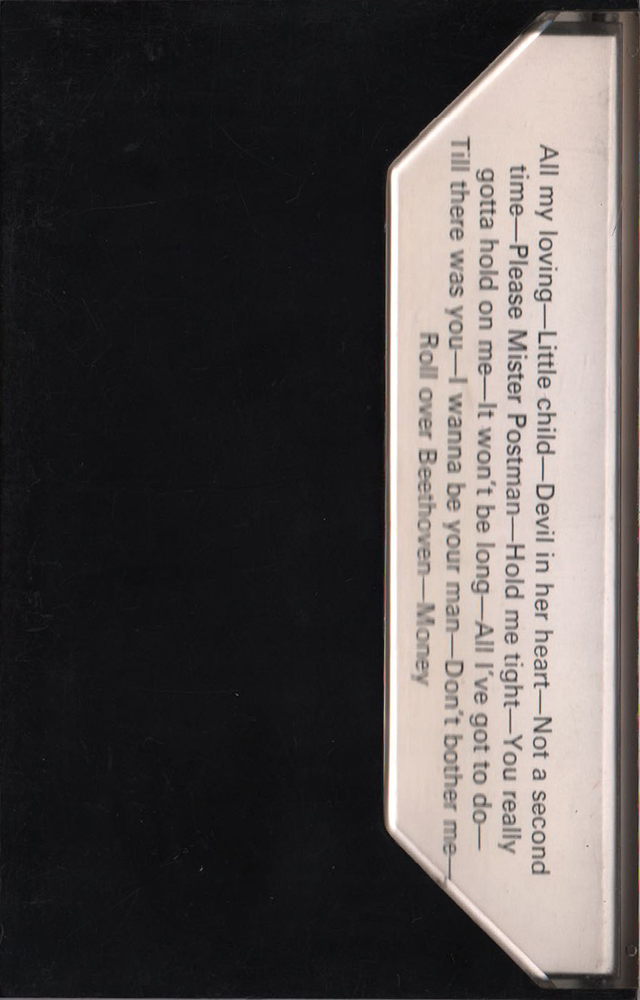
| CASSETTE CASE AND TAPE |
CASE FRONT | CASE BACK | SIDE 1 --> Click! | SIDE 2 --> Click! |
 |
 |
 |
 |
|
| The cassette cases ("Norelco" cases)
were clear plastic at the front and around the spine area,
and black plastic at the rear. |
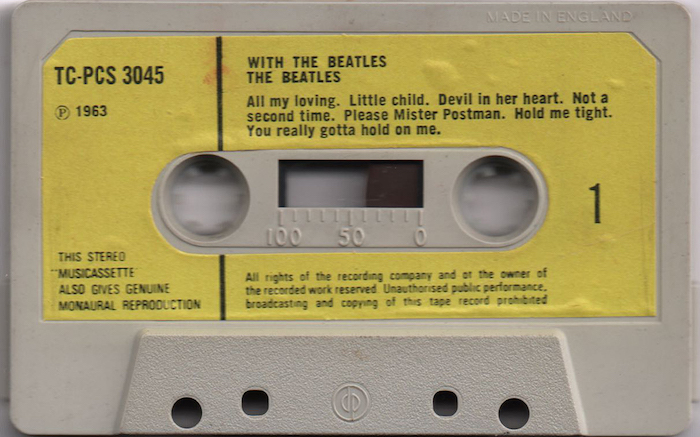
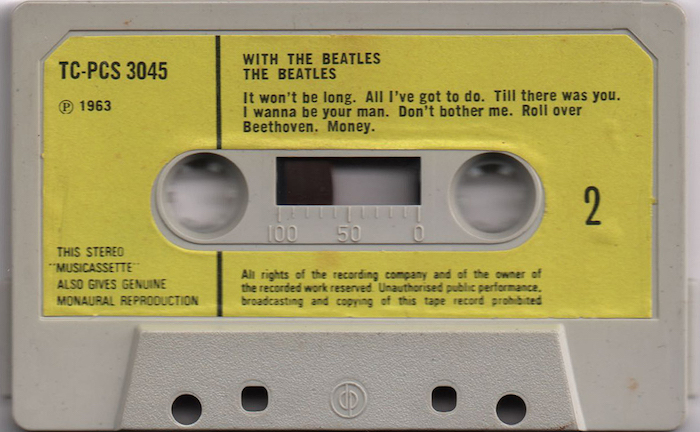
This UK issue has Lemon
Yellow
paper label without Parlophone logo |
|||
| INLAY |
INLAY: FRONT | INLAY: INSIDE |
||
 |
 |
|||
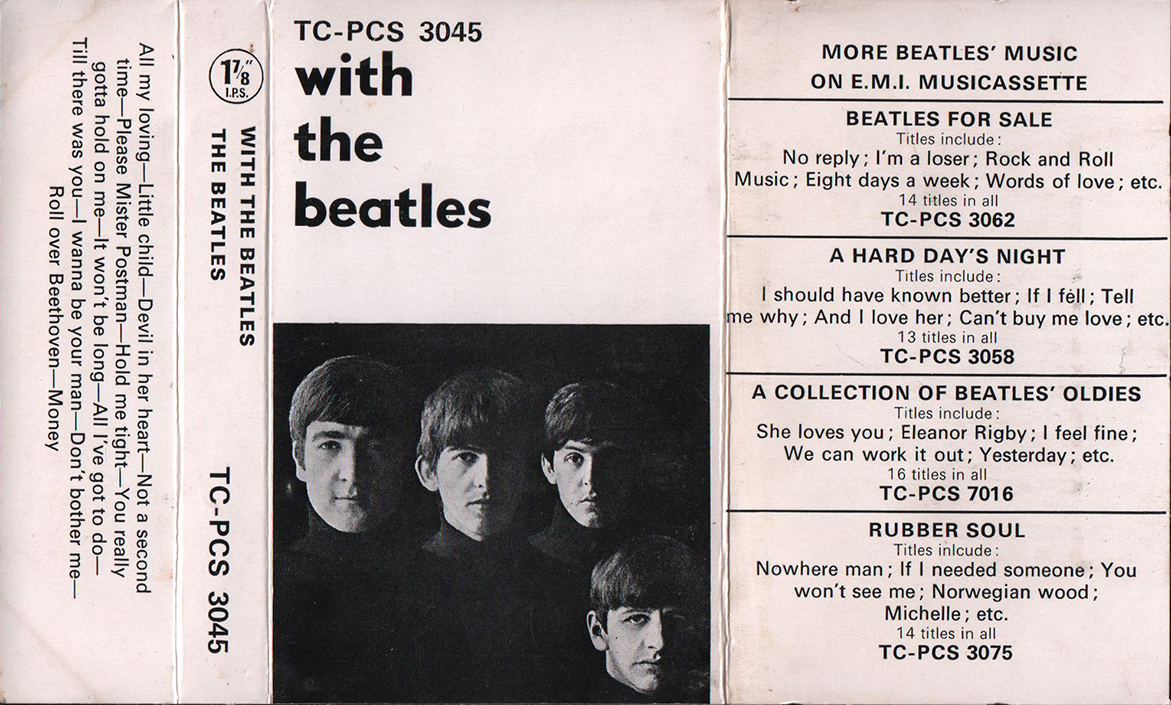
| This copy has a white foldover inlay with a small reproduction of the album cover, but no additional artwork or original liner notes. The track listings were printed on the reverse, while the foldover advertised other available Beatles and solo cassettes. |
||||
| INLAY: FRONT CLOSE-UP | ||||
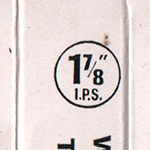 |
The
circular 1 7/8 " I.P.S. mark was printed on the spine. The standard tape speed for a compact cassette is 1 ⅞ ips (1.875 inches per second). |
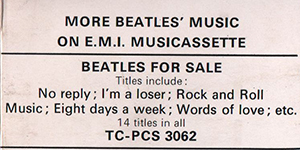 |
The track listings were
printed on the reverse of the inlay while the foldovers
advertised other available Beatles cassettes. |
|
| INLAY: FRONT CLOSE UP | ||||
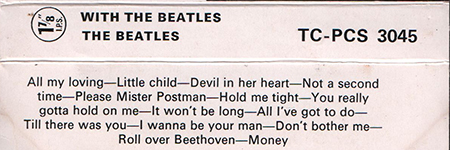 |
The cassette running order may have been rearranged to balance the playing times of the two sides. It was most likely also related to the need to balance the four programs on the 8-track edition produced alongside it. |
|||
| INLAY: INSIDE CLOSE-UP | ||||
 |
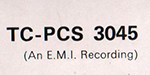 |
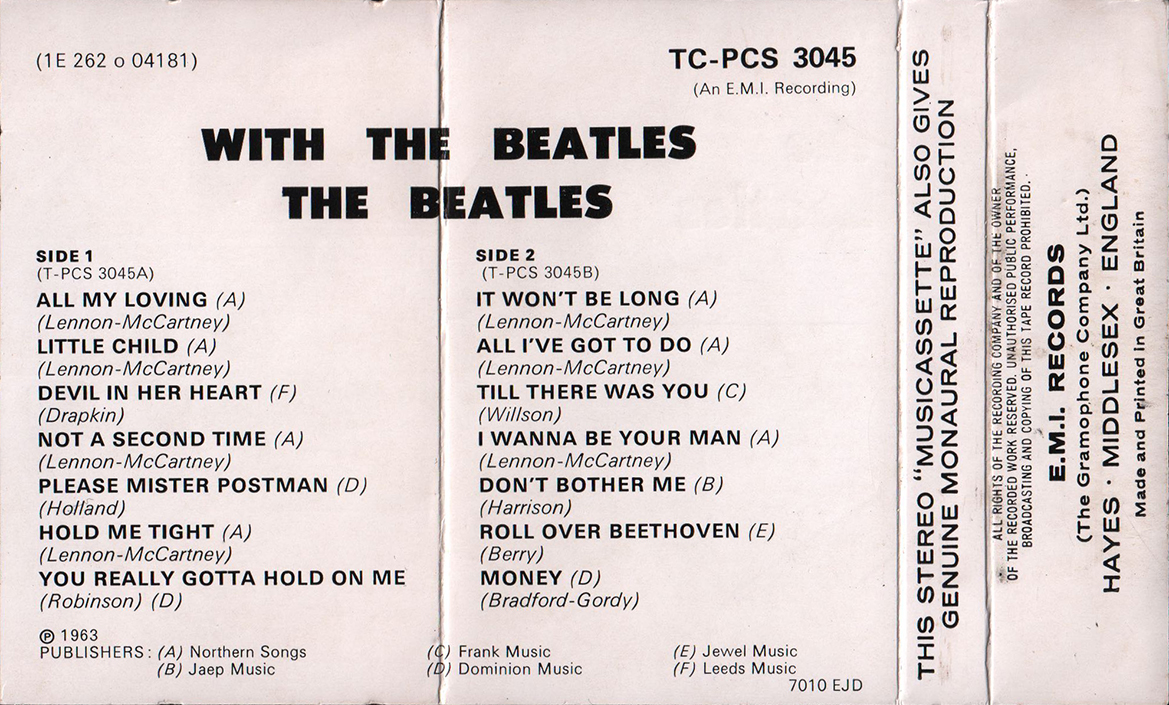
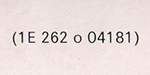
Catalog number "TC-PCS 3045" and the EMI country code (*1) were printed on the inlay. | 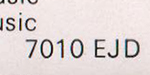 |
The printer's code "7010 EJD" was printed at the bottom of the inlay. It is thought to indicate October 1970 and Ernest J. Day. |
 |
||||
| INLAY: INSIDE CLOSE-UP | ||||
 |
 |
|||
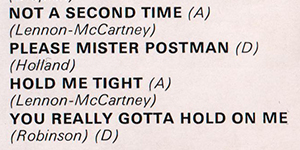
| The inlay and labels list track 7 on Side 1 as "YOU REALLY GOTTA HOLD ON ME". |
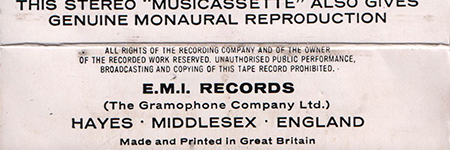
"E.M.I. Records (The Gramophone Company Ltd.)" credit was printed at the bottom of the inside of the inlay. | |||
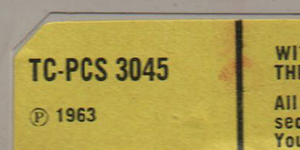
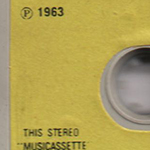
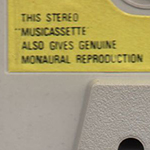
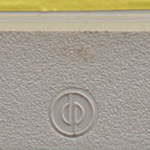
| LABEL CLOSE-UP | ||||
 |
 |
 |
 |
|
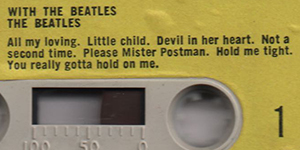
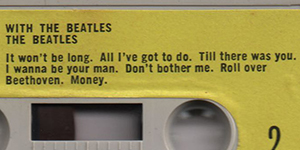
| This cassette was issued without the £ Parlophone logo. The "1E" number was printed on the inlay alongside "TC-PCS 3045", but was not printed on the labels. |
A prerecorded music cassette is called a "Musicassette". | The "DP (*2)" logo can often be found molded into cassette shells, especially during the early to mid 1970s. | ||
| LABEL CLOSE-UP | ||||
| SIDE
1 |
SIDE 2 |
The track listings were printed on the reverse of the inlay. EMI originally issued the Beatles UK albums on cassette tape with re-arranged running orders. | ||
 |
 |
|||
| LABEL CLOSE-UP | ||||
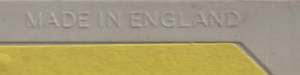 |
"MADE
IN ENGLAND" was embossed on the shell. |
|||
| OTHER ITEM | ||||
| - |
||||
| LABEL | Lemon Yellow Paper Label without Parlophone logo |
|||
| MIX | STEREO |
|||
| RECORD COMPANY'S NAME | EMI Records (The Gramophone Company Ltd.) / An E.M.I. Recording | |||
| CENTRAL REMARK "SOLD IN U.K." |
- | |||
| RECORDING PUBLISHED CREDIT | ℗ 1963 |
|||
| INLAY FORM | "white" inlay (Foldover) |
|||
| SHELL | Light Gray Shell / embossed "MADE
IN ENGLAND" and "dp" logo mark |
|||
| CASSETTE CASE |
"Norelco"
cases:
clear
plastic at the front and around the spine area, and black
plastic at the rear. |
|||
| PRINTER CREDIT | Made and Printed in Great Britain / 7010
EJD |
|||
| COVER DESIGN/ PHOTO/ NOTES | Cover photo: Robert Freeman |
|||
| PRODUCER | George Martin | |||
| COMMENTS | The original Beatles cassette
release of "Sgt. Pepper's" in October 1967, through "Abbey Road (November 1969?)", "Let It Be (August 1970)", and the first
release of most of the other Beatles cassette albums in
Sept. and Oct, 1970, just months after EMI opened their new
tape duplicating facilities at Hayes in Middlesex in July,
1970.
Between 1967 and June 1970, EMI's early musicassettes were manufactured by the Dutch firm, Philips themselves - the inventor and originator of the cassette. EMI opened its new tape duplicating facilities at Hayes, Middlesex in July 1970. These cassettes had bright yellow paper labels. Logo styles varied by period and copy, including the black-boxed EMI/Parlophone logo; some were issued without the logo. The absence of a logo may have been due to a shortage of costly letterpress blocks. The white inlay design of Let It Be provided the template for most subsequent Beatles cassette releases. Most Beatles cassette releases in 1970 and 1971 used white inlays with a small reproduction of the album cover, but no additional artwork or original liner notes. The codes 7010 and 7009 on the inside of the inlay are thought to indicate its printing date (October and September 1970, respectively), followed by the printer's initials: EJD, G&L or DP (Ernest J. Day, Garrod & Lofthouse or Data Packaging). An inlay's printing date does not necessarily establish when the cassette itself was issued. Advertising for other Beatles/solo albums was on the foldover front, and the EMI UK catalog no. (TC-PCS-XXXX) was on the front cover at the top and on the spine. The spine also carried the tape speed, 1&7/8 ths in a circular logo style at the top. The cassette cases ("Norelco" cases) were clear plastic at the front and around the spine area, and black plastic at the rear. The cassette running order may have been rearranged to balance the playing times of the two sides. It was most likely also related to the need to balance the four programs on the 8-track edition produced alongside it. The "DP (*2)" logo was embossed on the cassette shells. "MADE IN ENGLAND" was embossed on the shell. (*1) EMI country code: 1E 262 o 04181 The EMI country codes (introduced on 1 June, 1969): In most cases the EMI Codes are the first two letters of the record's catalog#. These EMI Country Codes were used to indicate the country in which the record was pressed. Note this doesn't necessarily mean the record was also released in that country (from Discogs). OC / 0C / 1E= UK (*2) Data Packaging Corporation: (who also traded as Hellerman Data Packaging Ltd) supplied cassette and 8 track shells, tape and other components to the music industry. The "DP" logo can often be found molded into cassette shells, especially during the early to mid 1970s. |
|||
