




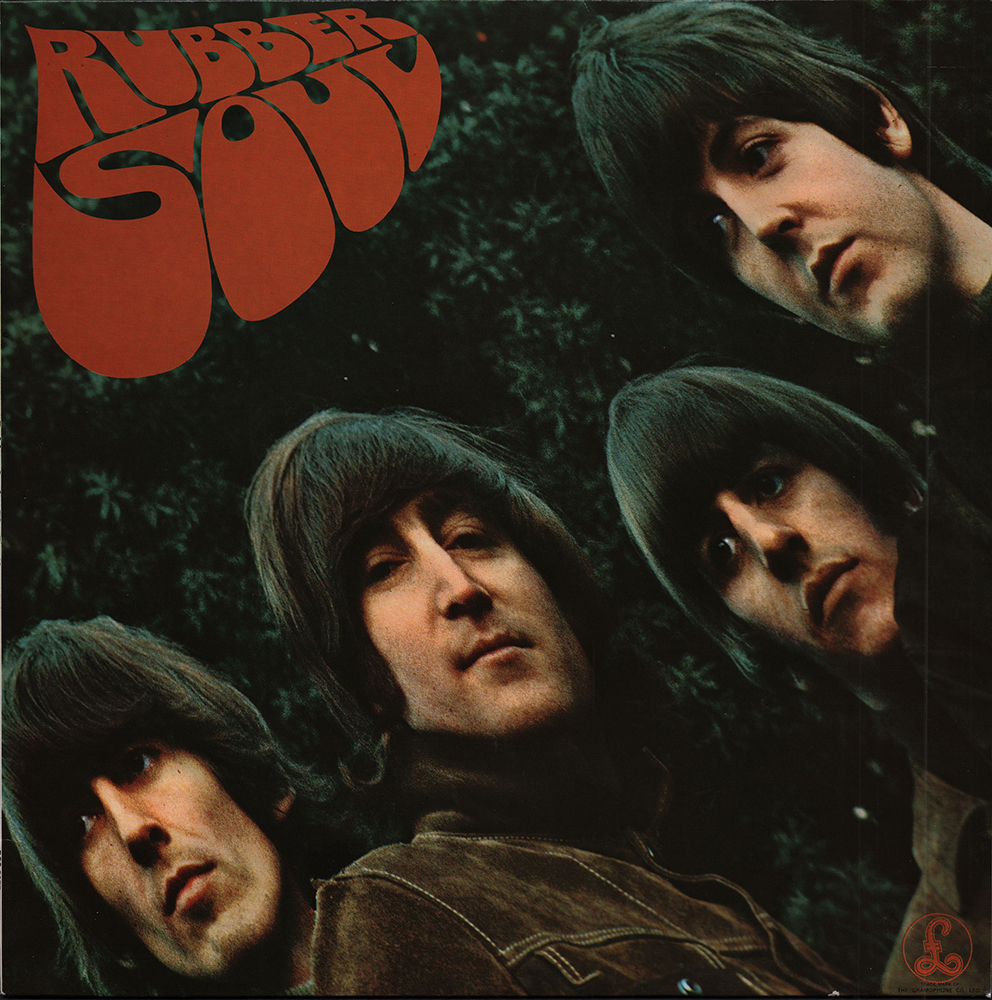
 DMM Reissue Parlophone Sleeve |
|
|
| TITLE | RUBBER
SOUL |
||||
| CATALOG NUMBER | PCS 3075 |
||||
| RELEASE DATE | Circa 1999 (Unconfirmed) / Third
Press |
||||
| TRACK LISTING | SIDE 1 | SIDE 2 | |||
| Drive My Car | What Goes On | ||||
| Norwegian Wood (This Bird Has Flown) | Girl | ||||
| You Won't See Me | I'm Looking Through You | ||||
| Nowhere Man | In My Life | ||||
| Think For Yourself | Wait | ||||
| The Word | If I Needed Someone | ||||
| Michelle | Run For Your Life | ||||
| FRONT --> Click! | BACK --> Click! | SIDE 1 --> Click! | SIDE 2 --> Click! | DISC --> Click! | |
 |
 |
 |
 |
 |
|
| INNER SLEEVE | FRONT COVER CLOSE-UP | ||||
| FRONT --> Click! | BACK --> Click! | ||||
 |
 |
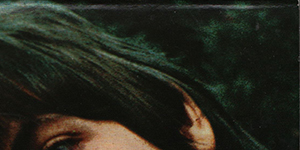 |
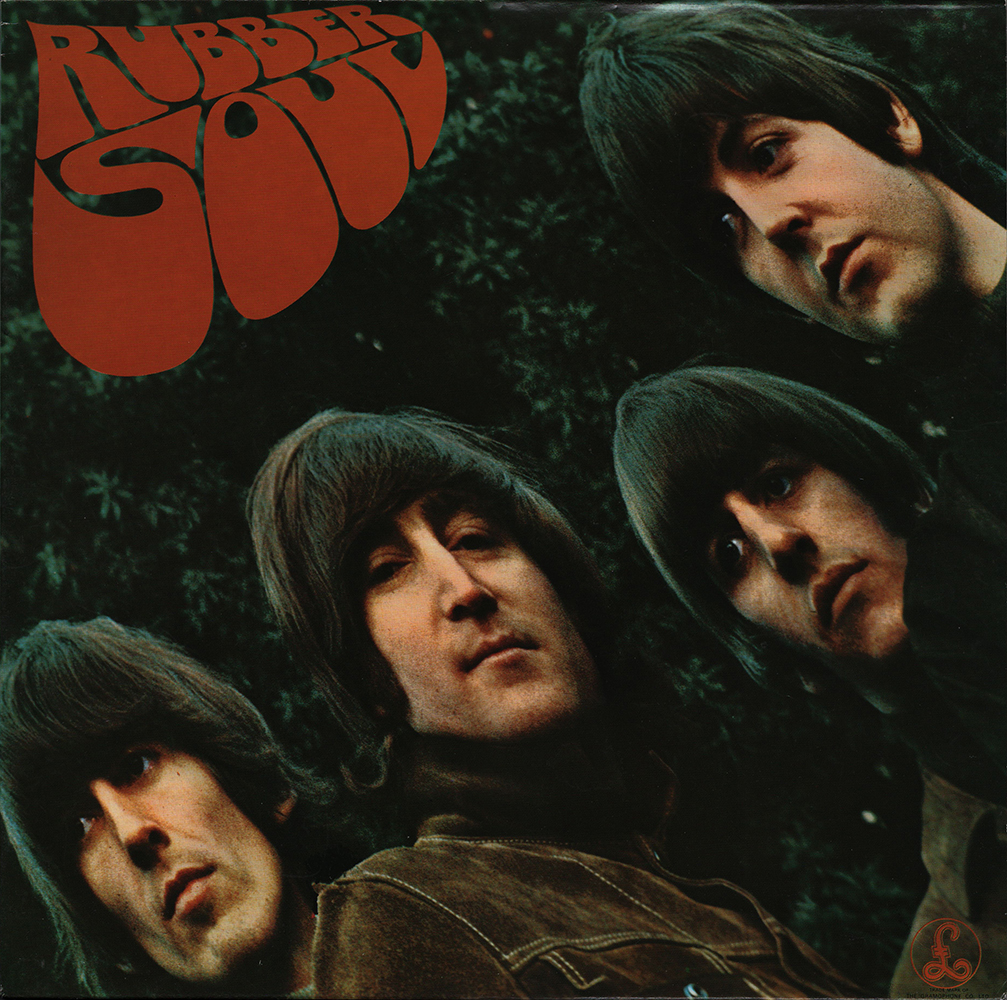
Distorted group portrait
by Robert Freeman, with the orange "RUBBER SOUL" title.
There is no "stereo" marking on the front cover. |
||
| FRONT COVER CLOSE-UP | BACK COVER CLOSE-UP | ||||
 |
A brown Parlophone trademark logo, resembling a pound sign (£), is printed at the lower right of the front cover. The words "TRADE MARK OF THE GRAMOPHONE CO. LTD." are printed in black beneath it. | 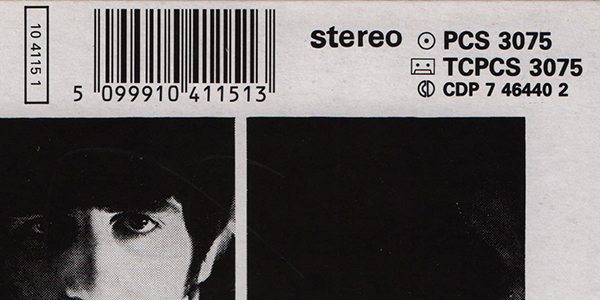 |
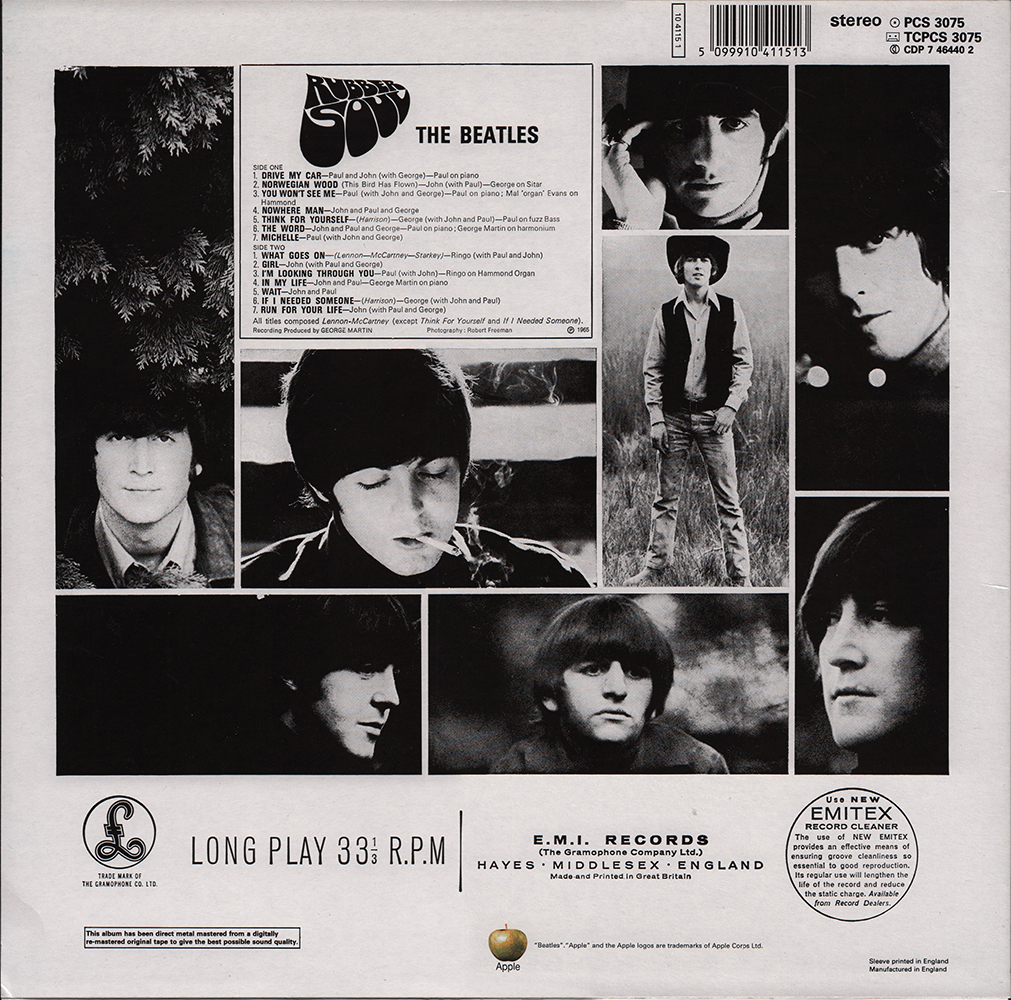
The upper right carries an
EAN barcode and the LP, cassette, and CD catalog numbers.
The DMM statement appears at the lower left. |
||
| BACK COVER — CLOSE-UP | |||||
 |
The DMM notice at the lower left states that the album was direct metal mastered from a digitally remastered tape. | ||||
 |
 |
||||
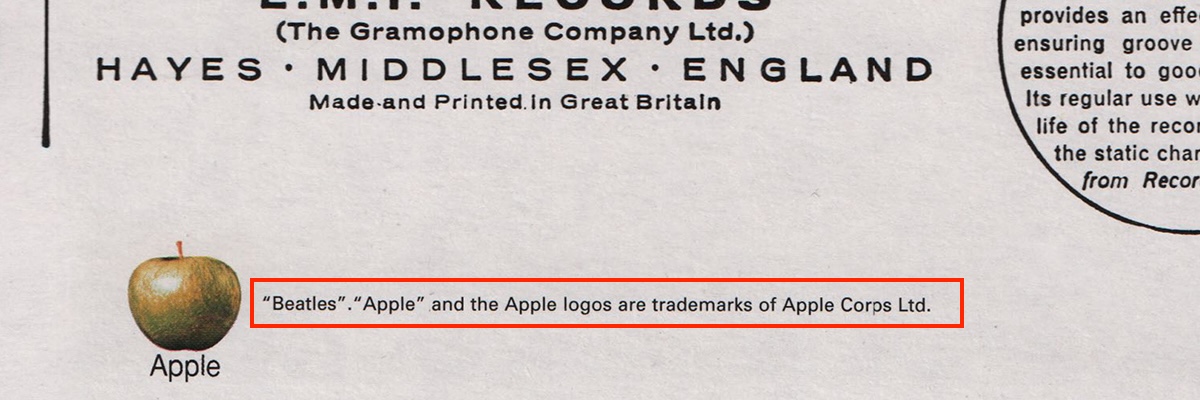
| A color Apple
logo is printed near the bottom center of the back
cover. The adjacent statement identifies "Beatles", "Apple",
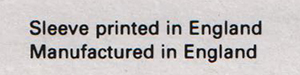
and the Apple logos as trademarks of Apple Corps Ltd. "Sleeve printed in England" and "Manufactured in England" appear at the lower right. |
|||||
| LABEL CLOSE-UP | |||||
 |
 |
 |
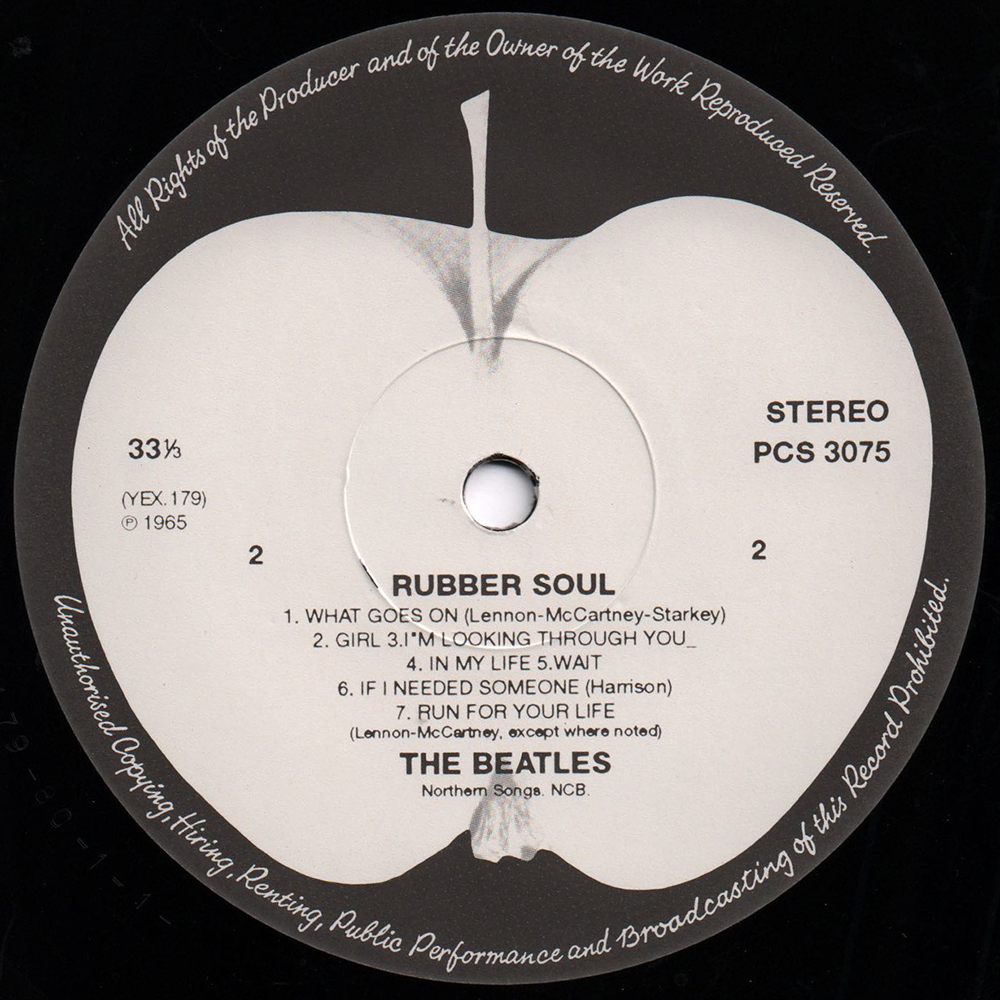
|||
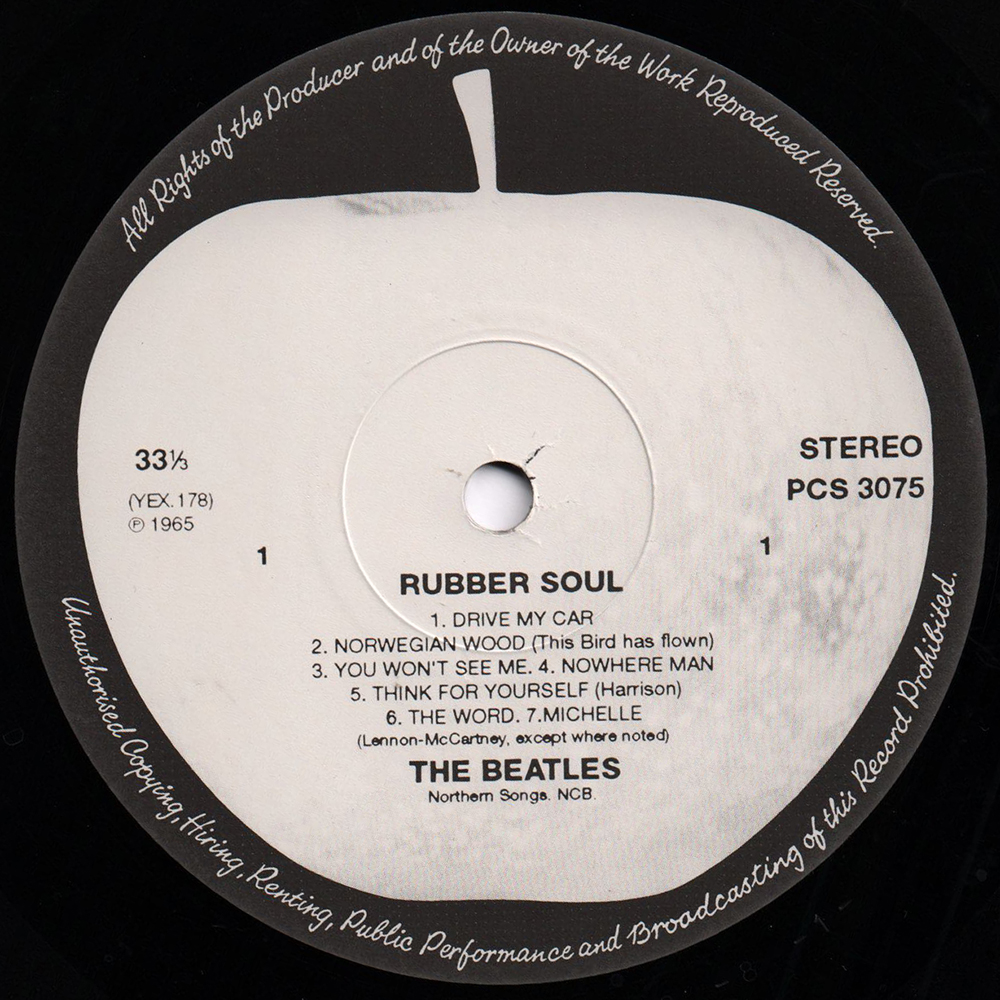
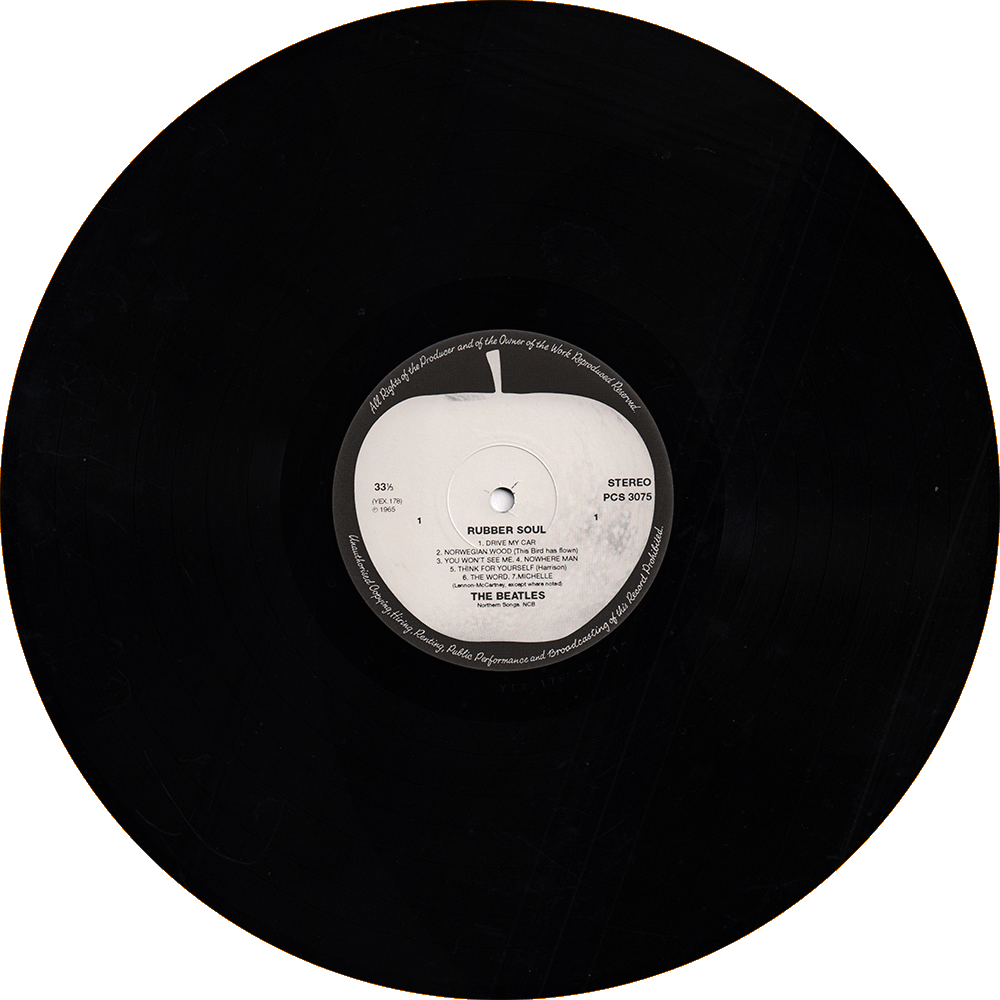
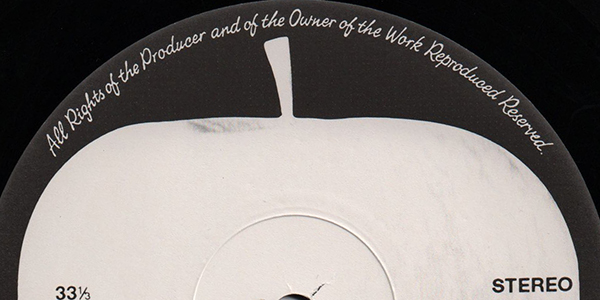
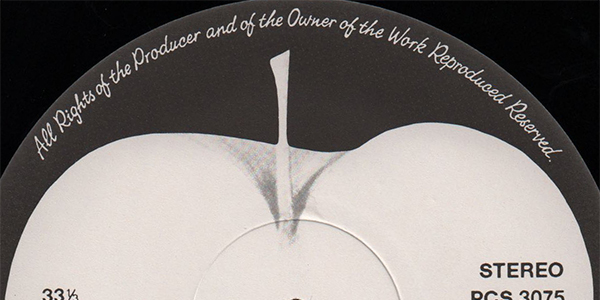
| Both
sides have an unusual black-and-white Apple design
instead of the black-and-silver Parlophone labels normally
used for this reissue. Side 1 shows a full white Apple; Side
2 shows a sliced white Apple. Neither label has a boxed EMI
logo. |
|||||
 |
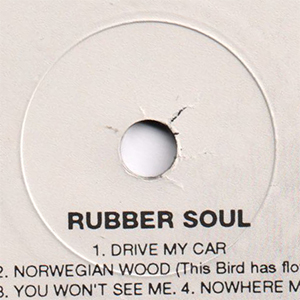
The labels have a small
pressing ring, without the pronounced dish-shaped recess
found on circa-2003 Netherlands contract pressings. |
 |
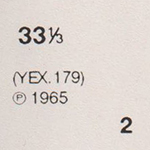 |
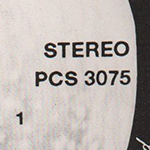
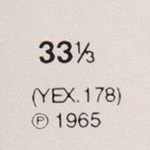
The printed stereo matrix
identifiers are correct: Side 1 "(YEX.178)" and Side 2
"(YEX.179)". Both labels show "STEREO", "PCS 3075", and
"33⅓". |
|
 |
The outer
black rim carries pale script lettering. Its warning begins
"All Rights of the Producer..." and includes "Hiring,
Renting", rather than "HIRING OR RENTAL" found on the
black Parlophone DMM labels. The label does not carry a
"MADE IN ENGLAND" statement. |
||||
| LABEL CLOSE-UP | |||||
| SIDE 1 |
SIDE 2 |
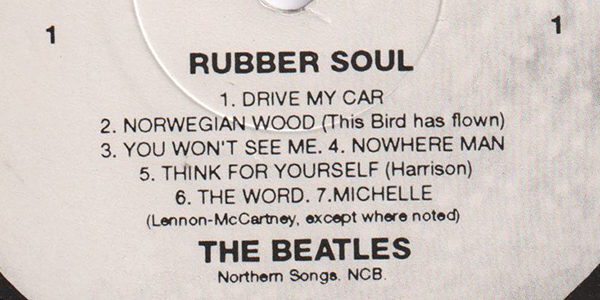
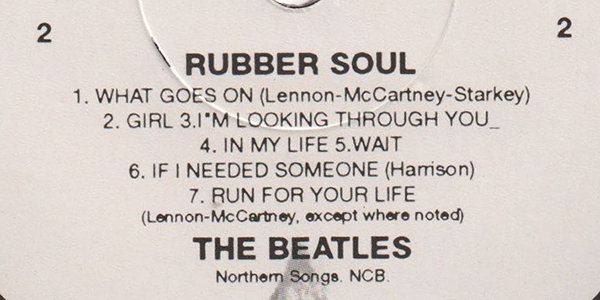
The
track titles are printed in black over the white Apple
design. The songwriting credits are grouped beneath the
track list, with separate credits for "WHAT GOES ON" and "IF
I NEEDED SOMEONE". |
|||
 |
 |
||||
 |
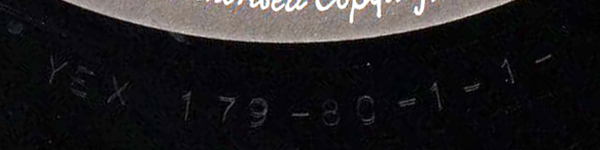 |
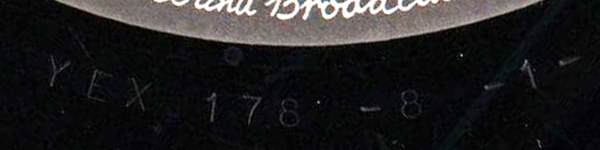
Side 1: YEX 178-8-1-1 D Side 2: YEX 179-8C-1-1 D |
|||
|
OTHER ITEM
|
|||||
| - | |||||
| LABEL | Black-and-White Apple Label / ALL
RIGHTS rim / Possible Printing Error |
||||
| MIX | STEREO | ||||
| MATRIX No. | SIDE 1 | YEX
178-8-1-1 D |
MOTHER & STAMPER |
1/1 |
|
| SIDE 2 | YEX 179-8C-1-1
D |
1/1 |
|||
| VINYL COLOR | BLACK | ||||
| RECORD COMPANY'S NAME | E.M.I. RECORDS (The Gramophone Company Ltd.) | ||||
| CENTRAL REMARK "SOLD IN U.K..." |
NONE |
||||
| RECORDING PUBLISHED CREDIT | ℗ 1965 |
||||
| COVER FORM | Single-pocket sleeve, without
flipbacks. Both sides have a glossy finish and appear to be coated. It is difficult to determine whether the surface is laminated or varnished. |
||||
| "stereo" TEXT SIZE | None on the front cover |
||||
| PRINTER CREDIT | No printer credit | ||||
| COVER DESIGN/ PHOTO/ NOTES | Front-cover photograph by Robert
Freeman, with the distinctive distorted group portrait. The back cover retains the original artwork, track details, and Robert Freeman photography credit. |
||||
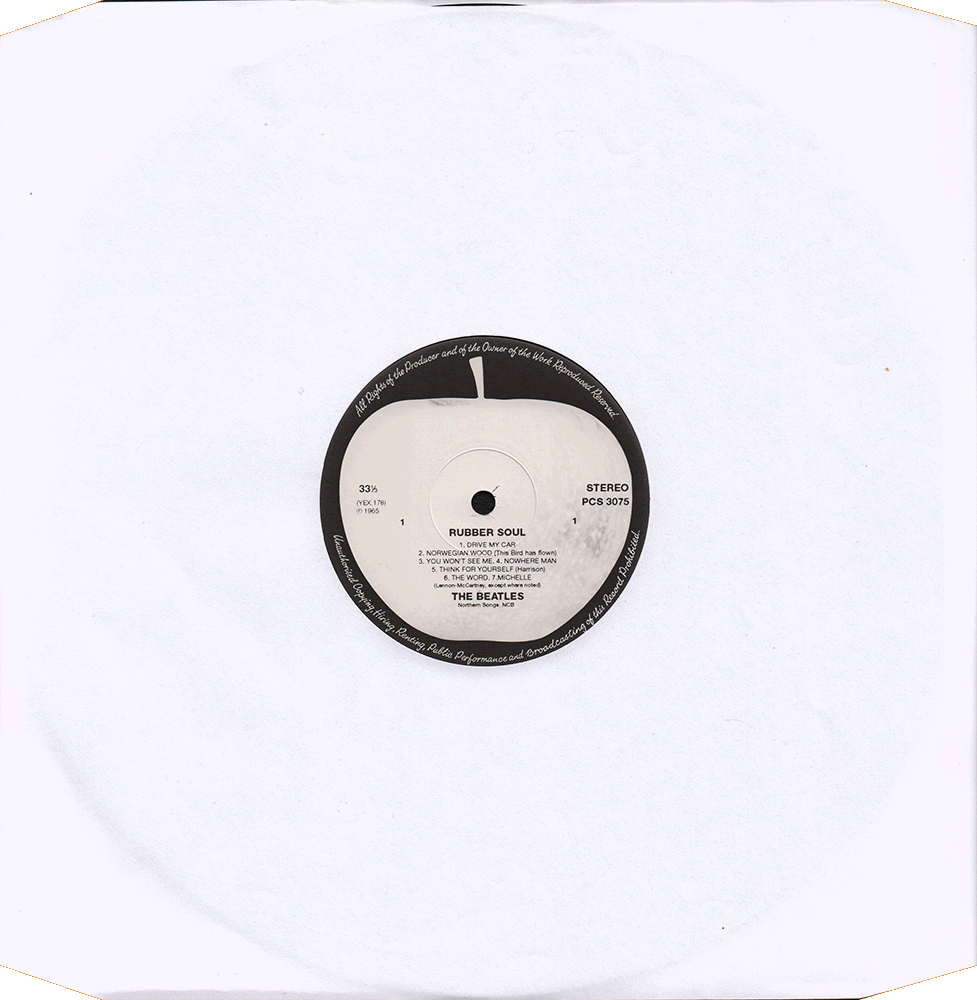
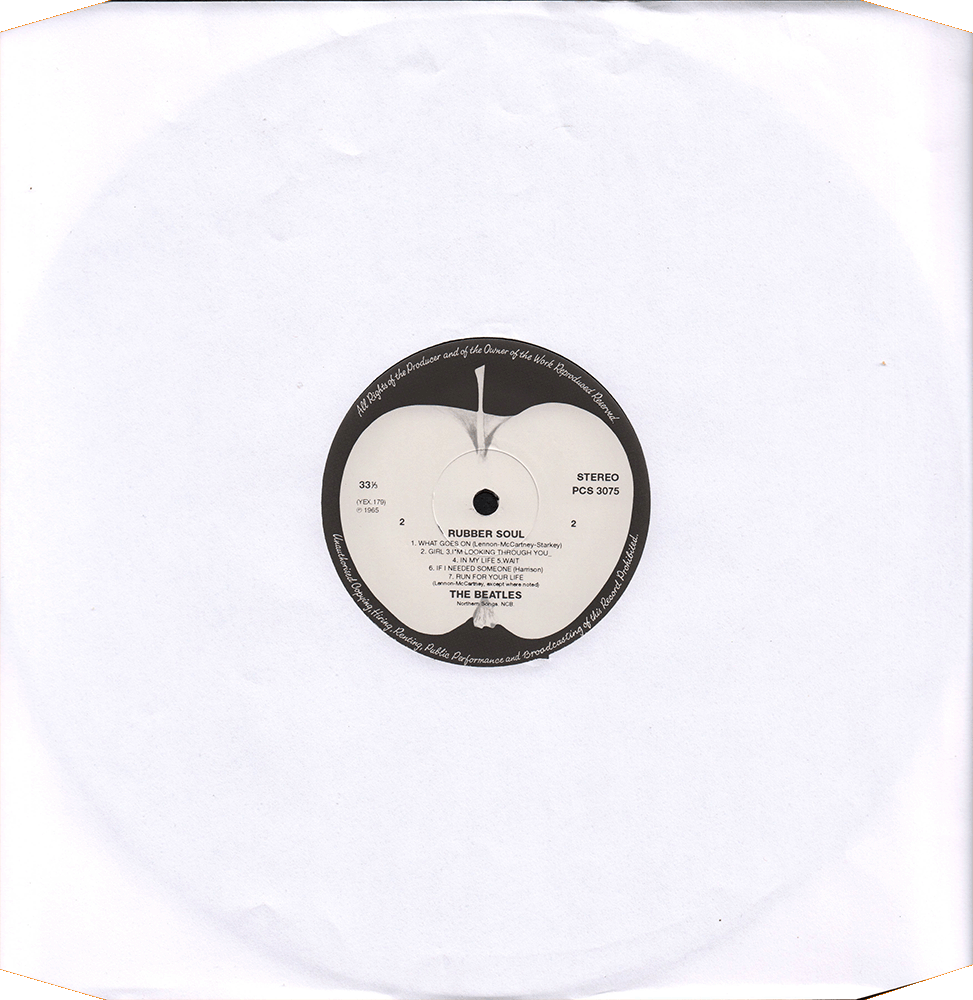
| INNER SLEEVE | Plain white die-cut paper inner
sleeve. |
||||
| PRODUCER | George Martin | ||||
|
COMMENTS
|
Pressing
Date and Reissue History This stereo DMM reissue of Rubber Soul has unusual black-and-white Apple labels and is believed to date from around 1999. The exact pressing date has not been confirmed. The sleeve bears a color Apple logo and an Apple Corps trademark statement, but neither feature establishes the pressing date or proves that this was made for a particular export market. The labels do not show the pronounced dish-shaped recess or the additional 13-digit barcode number associated with the circa-2003 Netherlands contract pressing illustrated in #6-4. The manufacturing origin of this particular copy has not been independently established. 1987 Digital Remaster and Stereo Mix EMI introduced the Beatles DMM LP reissue series during the digital-remaster period beginning in 1987. Abbey Road Studios had installed a Neumann DMM cutting lathe in 1984. For the first CD release of Rubber Soul in 1987, George Martin prepared a new stereo mix, distinct from the original 1965 stereo mix. This pressing belongs to the DMM reissue series associated with the 1987 stereo remix. Its matrix cut numbers correspond to cuts known from earlier DMM reissues. White Apple Label Features Side 1 has a full white Apple illustration on a white background with a black outer rim. Side 2 uses the corresponding sliced-Apple design. The Apple artwork and outer rim are monochrome, while the album-specific titles, track listings, and credits are printed in black. Neither label carries a boxed EMI logo. Both labels correctly show "STEREO", catalog number "PCS 3075", the speed marking "33⅓", and the printed matrix identifiers "(YEX.178)" and "(YEX.179)" respectively. The publishing credit reads "Northern Songs. NCB." No 13-digit barcode number or "MADE IN ENGLAND" manufacturing statement is printed on the labels. The black outer rim carries "All Rights of the Producer..." in light script lettering, and the lower warning includes "Hiring, Renting". This is different from the "HIRING OR RENTAL" wording found on the black Parlophone DMM labels. Possible Printing Error — Black-Only Base and Subsequent Overprinting The origin of the White Apple labels is uncertain. One possible explanation involves two successive stages of a single printing process. When a multicolor Apple-label base was being prepared, the cyan, magenta, and yellow components may have been omitted, leaving only the black (K) artwork and rim text on a white background. Album-specific information, including the title, track listings, and credits, may then have been added in a separate black overprinting stage. In this interpretation, the monochrome Apple background and the later record-specific overprint are parts of the same proposed sequence, not two competing explanations. Multistage label printing is a plausible production method, but no printing plates or manufacturing records have been identified that establish exactly how these labels were produced. A purposely prepared monochrome base cannot be excluded. The description "possible printing error" therefore remains a hypothesis. Matrix Numbers The Side 1 run-out reads "YEX 178-8-1-1 D", indicating cut 8, mother 1, and stamper 1. The Side 2 run-out reads "YEX 179-8C-1-1 D", indicating cut 8C, mother 1, and stamper 1. The "D" marking is present on both sides. The same cut-number sequence is found on other DMM-era Rubber Soul reissues. It identifies the cutting lineage but does not, by itself, establish a 1999 pressing date. Sleeve Features The front cover retains Robert Freeman's distorted group portrait and the orange "RUBBER SOUL" title. No "stereo" marking appears on the front. A brown Parlophone trademark logo, resembling a pound sign (£), appears at the lower right with "TRADE MARK OF THE GRAMOPHONE CO. LTD." printed in black beneath it. The back cover retains the original photographs and track information, together with later LP, cassette, and CD catalog numbers, an EAN barcode, and a DMM notice. Near the bottom center, a color Apple logo is accompanied by a printed statement identifying "Beatles", "Apple", and the Apple logos as trademarks of Apple Corps Ltd. The sleeve also carries the credits "Sleeve printed in England" and "Manufactured in England". The sleeve has no flipbacks. Both sides appear glossy and coated, but the photographs do not establish whether the coating is varnish or lamination. The record is housed in a plain white die-cut paper inner sleeve. Printed DMM Notice "This album has been direct metal mastered from a digitally re-mastered original tape to give the best possible sound quality." Reference: What Is DMM (Direct Metal Mastering)? DMM is a mastering process in which audio grooves are cut directly into a copper-coated metal disc rather than a conventional lacquer disc. This eliminates an intermediate electroplating stage and can improve the accuracy of groove reproduction. DMM is a cutting technique and does not necessarily require a digital recording. |
||||
| TITLE | RUBBER
SOUL |
||||
| CATALOG NUMBER | PCS 3075 |
||||
| RELEASE DATE | Circa 2003? / 4th Press |
||||
| TRACK LISTING | SIDE 1 | SIDE 2 | |||
| Drive My Car | What Goes On | ||||
| Norwegian Wood (This Bird Has Flown) | Girl | ||||
| You Won't See Me | I'm Looking Through You | ||||
| Nowhere Man | In My Life | ||||
| Think For Yourself | Wait | ||||
| The Word | If I Needed Someone | ||||
| Michelle | Run For Your Life | ||||
| FRONT --> Click! | BACK --> Click! | SIDE 1 --> Click! | SIDE 2 --> Click! | DISC --> Click! | |
|
 |
 |
 |
 |
|
| INNER SLEEVE | FRONT COVER CLOSE-UP | ||||
| FRONT --> Click! | BACK --> Click! | ||||
 |
 |
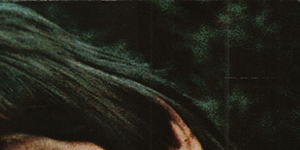 |
Distorted group portrait
by Robert Freeman, with the orange "RUBBER SOUL" title.
There is no "stereo" marking on the front cover. |
||
| FRONT COVER CLOSE-UP | BACK COVER CLOSE-UP | ||||
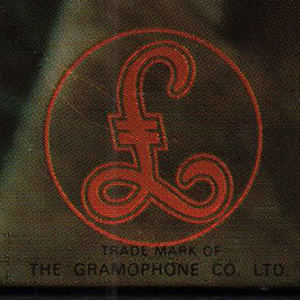 |
A brown Parlophone trademark logo, resembling a pound sign (£), is printed at the lower right of the front cover. The words "TRADE MARK OF THE GRAMOPHONE CO. LTD." are printed in black beneath it. | 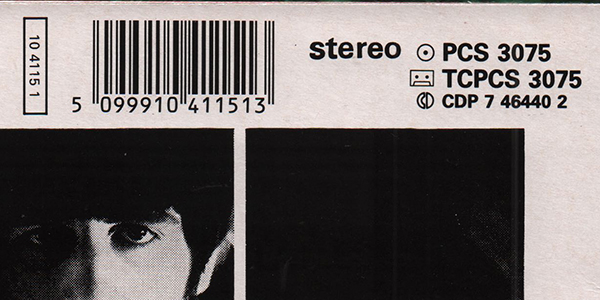 |
The upper right carries an
EAN barcode and the LP, cassette, and CD catalog numbers.
The DMM statement appears at the lower left. |
||
| BACK COVER — CLOSE-UP | |||||
 |
The DMM notice at the lower left states that the album was direct metal mastered from a digitally remastered tape. | ||||
 |
 |
||||
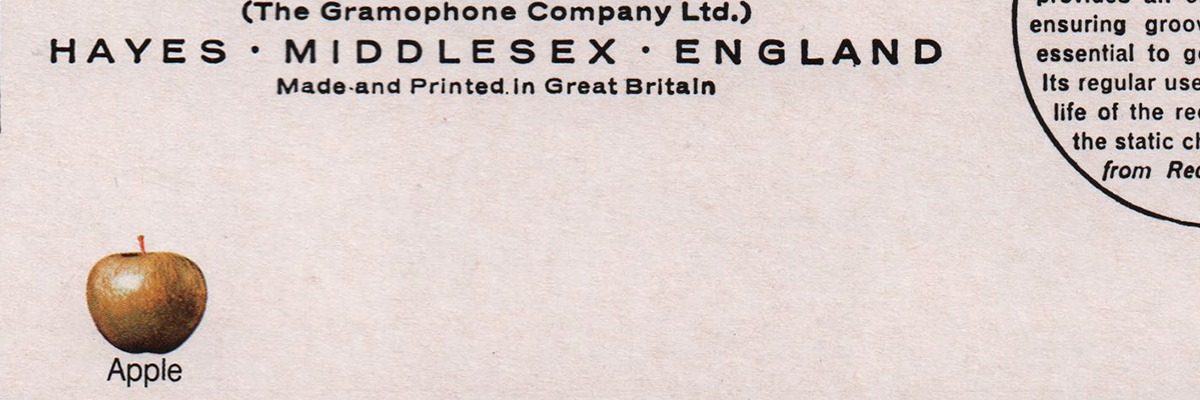
| A color Apple
logo is printed near the bottom center of the back
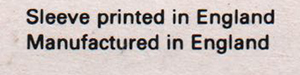
cover; the later Apple Corps trademark statement is absent. "Sleeve printed in England" and "Manufactured in England" appear at the lower right. |
|||||
| LABEL CLOSE-UP | |||||
 |
 |
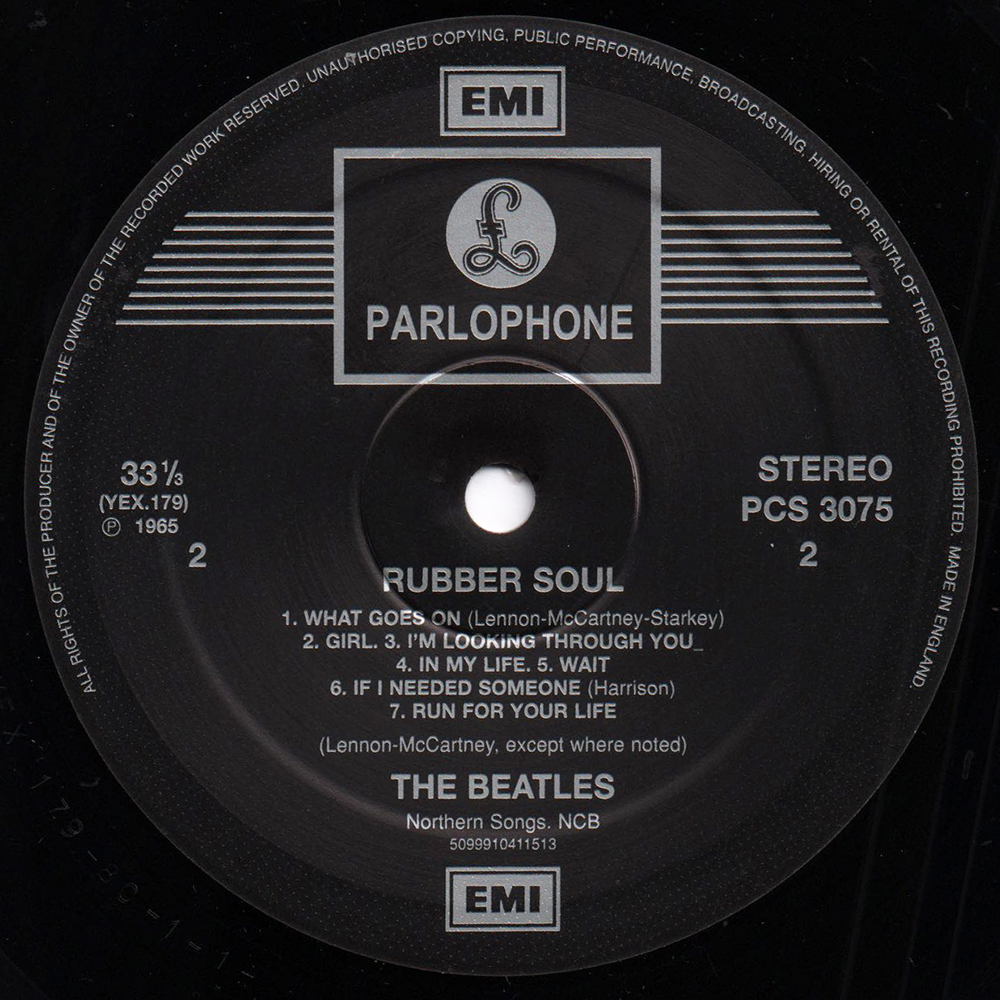
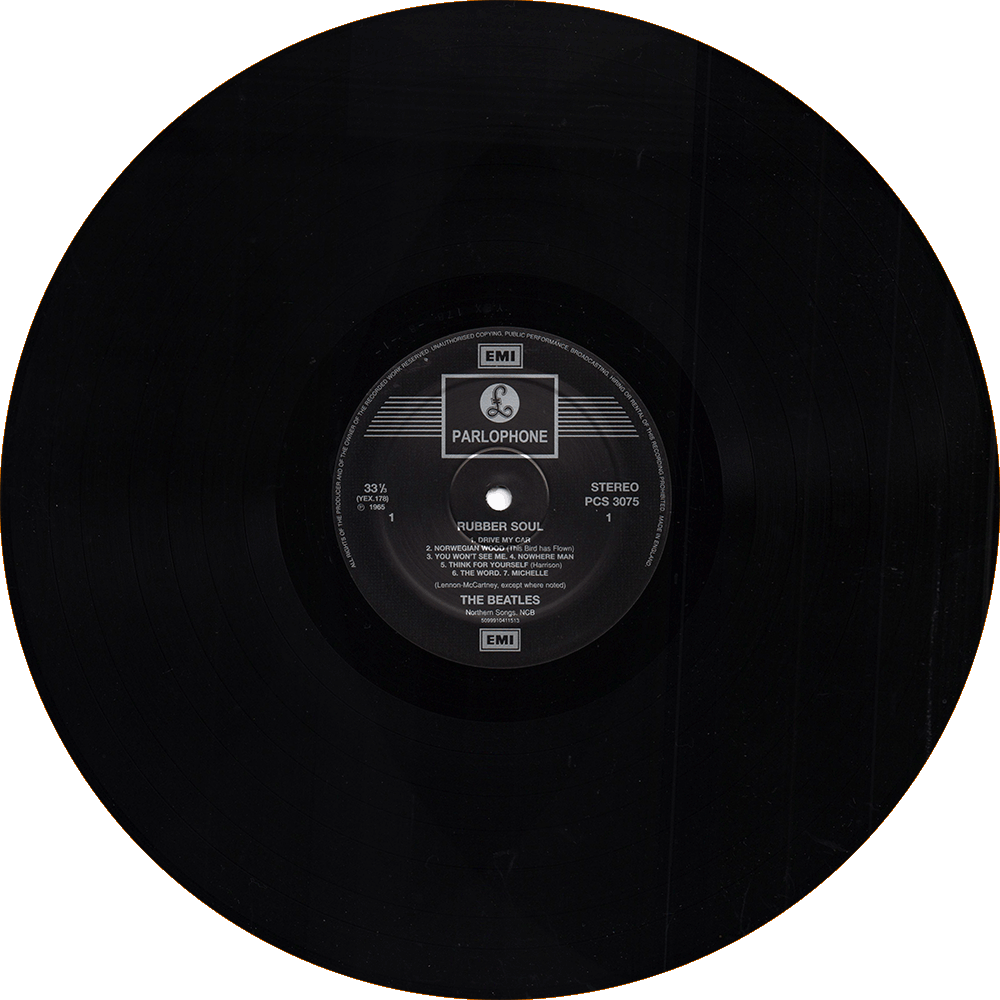
This stereo
DMM reissue is believed to have been pressed around 2003 by
Record Industry in Haarlem, the Netherlands, under contract
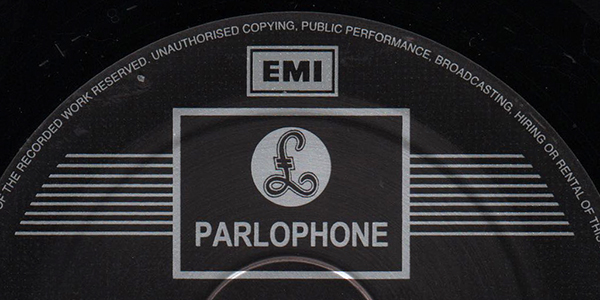
to EMI for the U.K. market. The black Parlophone labels have silver print and two boxed EMI logos at the 12 and 6 o'clock positions. There is no outer silver perimeter ring. |
|||
 |
A distinctive dish-shaped
recess extends beneath the label around the center hole.
This profile is associated with the Netherlands contract
pressings of this period. |
 |
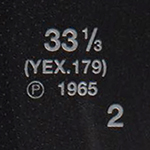 |
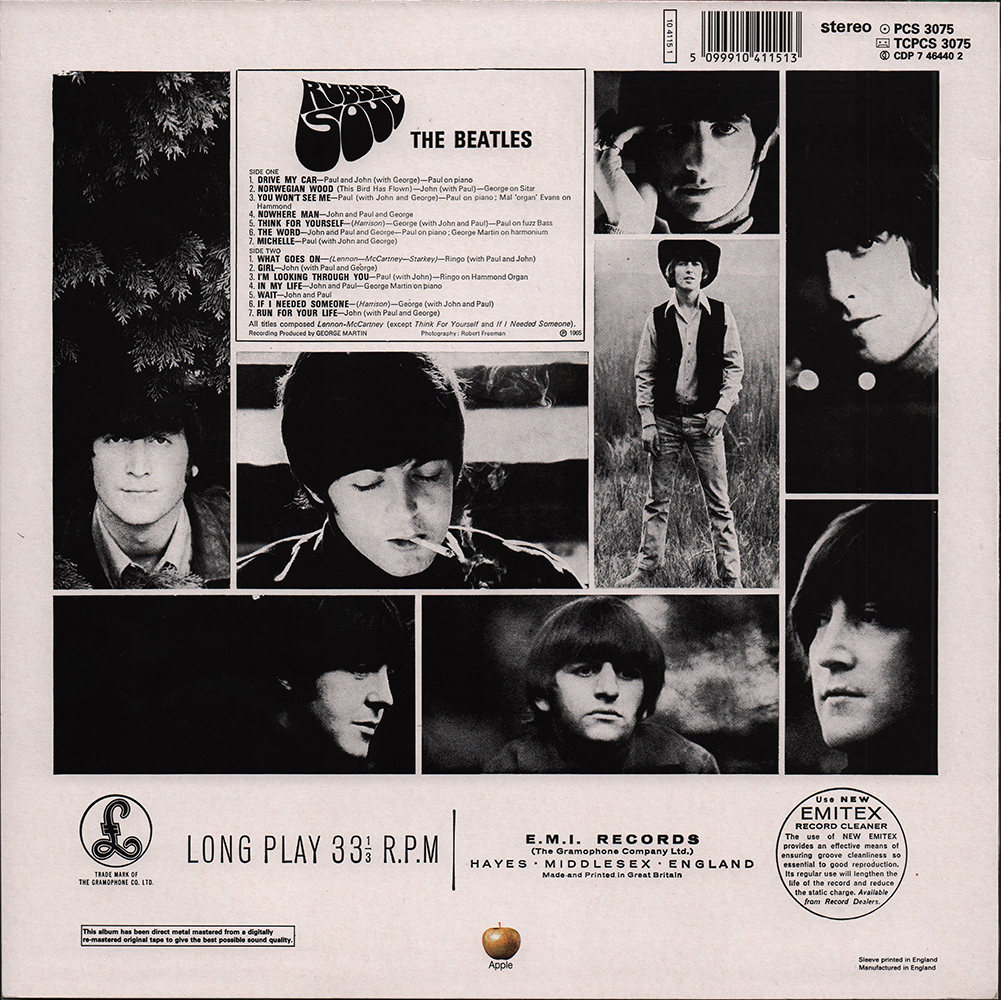
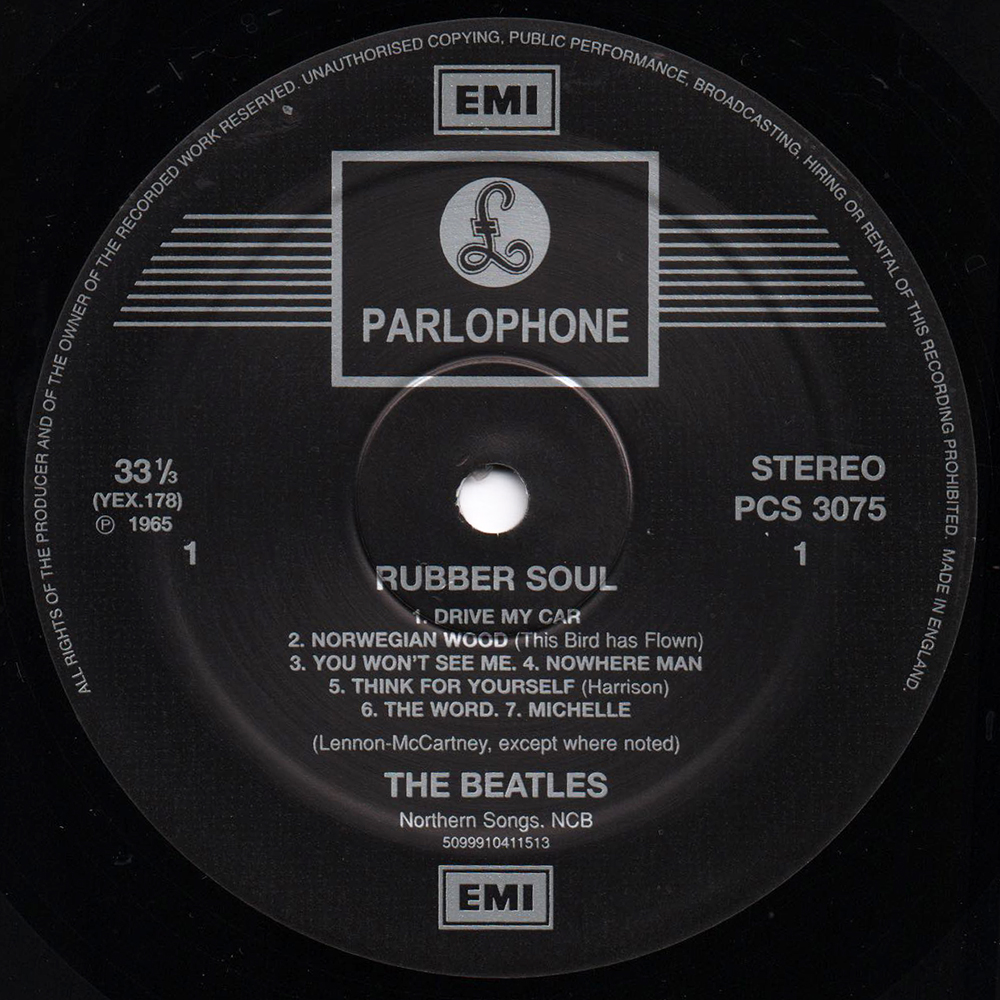
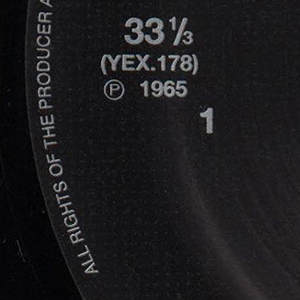
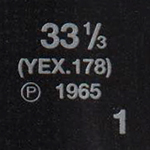
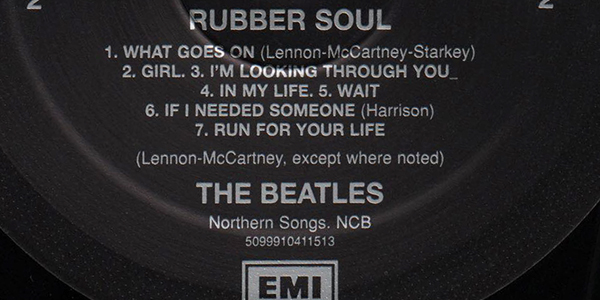
The printed matrix numbers
are correct for the stereo release: Side 1 "(YEX.178)" and
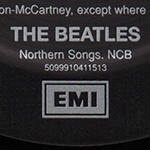
Side 2 "(YEX.179)". The 13-digit number "5099910411513" appears near the bottom of both labels and matches the back-cover barcode. |
|
 |
The rim text
begins "ALL RIGHTS OF THE PRODUCER..." and ends with the
country-of-origin wording "MADE IN ENGLAND". |
||||
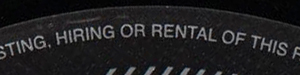 |
The copyright
warning includes "HIRING OR RENTAL", rather than the
"HIRING, RENTING" wording seen on some earlier designs. |
||||
| LABEL CLOSE-UP | |||||
| SIDE 1 |
SIDE 2 |
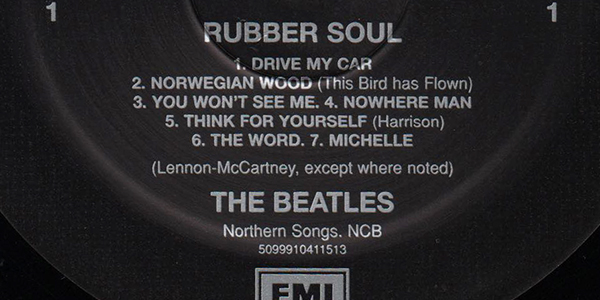
The 13-digit
barcode
number "5099910411513" is printed below "Northern
Songs. NCB". |
|||
 |
 |
||||
 |
 |
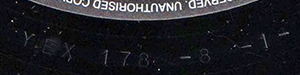
Side 1: YEX 178-8-1-1 D Side 2: YEX 179-8C-1-1 D Both sides carry the "D" marking. |
|||
|
OTHER ITEM
|
|||||
| - | |||||
| LABEL | Black and Silver Parlophone / 2
EMI Marks (at 12 and 6 o'clock) / ALL RIGHTS rim / No outer
silver ring |
||||
| MIX | STEREO | ||||
| MATRIX No. | SIDE 1 | YEX
178-8-1-1 D |
MOTHER & STAMPER |
1/1 |
|
| SIDE 2 | YEX 179-8C-1-1
D |
1/1 |
|||
| VINYL COLOR | BLACK | ||||
| RECORD COMPANY'S NAME | E.M.I. RECORDS (The Gramophone Company Ltd.) | ||||
| CENTRAL REMARK "SOLD IN U.K..." |
NONE |
||||
| RECORDING PUBLISHED CREDIT | ℗ 1965 |
||||
| COVER FORM | Single-pocket sleeve, without
flipbacks. Both sides have a glossy coated finish. The type of coating (varnish or lamination) is unconfirmed. |
||||
| "stereo" TEXT SIZE | None on the front cover |
||||
| PRINTER CREDIT | No printer credit | ||||
| COVER DESIGN/ PHOTO/ NOTES | Front-cover photograph by Robert
Freeman, with the distinctive distorted group portrait. The back cover retains the original artwork, track details, and Robert Freeman photography credit. |
||||
| INNER SLEEVE | Plain white die-cut paper inner
sleeve. |
||||
| PRODUCER | George Martin | ||||
|
COMMENTS
|
Pressing
Date
and Manufacturing This stereo DMM reissue of Rubber Soul is believed to have been pressed around 2003 by Record Industry in Haarlem, the Netherlands, under contract to EMI for the U.K. market. The pressing plant adopted the name Record Industry in 1998. The exact pressing date and manufacturing location have not been independently confirmed. The recessed label center and the 13-digit barcode number printed on both labels are consistent with other Netherlands contract pressings from this period. The label rim reads "MADE IN ENGLAND", and the sleeve retains British manufacturing and printing credits. 1987 Digital Remaster and Stereo Mix EMI introduced the Beatles DMM LP reissue series during the 1987 digital-remaster period. The first four original U.K. albums were issued in mono, while later albums were issued in stereo. Abbey Road Studios had already installed a Neumann DMM cutting lathe in 1984. For the album's first CD release in 1987, George Martin prepared a new stereo mix of Rubber Soul. This pressing uses that 1987 stereo remix rather than the original 1965 stereo mix. It belongs to the DMM reissue series associated with the digitally remastered recordings. Parlophone Label Features The labels are black with silver print and have two boxed EMI logos, at the 12 and 6 o'clock positions. The outer silver perimeter ring found on an earlier label design is absent. The rim text begins "ALL RIGHTS OF THE PRODUCER...", includes "HIRING OR RENTAL", and ends with "MADE IN ENGLAND". The labels correctly show the stereo matrix identifiers "(YEX.178)" and "(YEX.179)", along with "STEREO" and the catalog number "PCS 3075". Both labels have the number "5099910411513" printed near the bottom, matching the EAN barcode on the back cover. A dish-shaped recess extends beneath the label around the center hole. Matrix Numbers The Side 1 run-out reads "YEX 178-8-1-1 D", indicating cut 8, mother 1, and stamper 1. The Side 2 run-out reads "YEX 179-8C-1-1 D", indicating cut 8C, mother 1, and stamper 1. Both sides carry a "D" marking. Sleeve Features The front cover reproduces Robert Freeman's distinctive distorted group portrait and orange "RUBBER SOUL" title. At the lower right of the front cover is a brown Parlophone trademark logo resembling a pound sign (£). The wording "TRADE MARK OF THE GRAMOPHONE CO. LTD." is printed in black directly beneath it. The company name is printed in uppercase letters. The back cover retains the original artwork, track listing, and photography credit. The upper right carries an EAN barcode, LP/cassette/CD catalog numbers, and "stereo". The DMM notice is printed at the lower left, while a color Apple logo appears near the bottom center, without the later Apple Corps trademark statement. The back also retains "E.M.I. RECORDS (The Gramophone Company Ltd.)" and "Made and Printed in Great Britain", together with the later credits "Sleeve printed in England" and "Manufactured in England". The sleeve has no flipbacks. Both sides of the sleeve have a glossy finish, but it is difficult to determine whether the surface is laminated or varnished. Printed DMM Notice "This album has been direct metal mastered from a digitally re-mastered original tape to give the best possible sound quality." Reference: What Is DMM (Direct Metal Mastering)? DMM is a mastering process in which audio grooves are cut directly into a copper-coated metal disc rather than a conventional lacquer disc. This eliminates an intermediate electroplating stage and can improve the accuracy of groove reproduction. DMM is a cutting technique and does not necessarily require a digital recording. |
||||
