


| TITLE | The Fresh Sounds
From Liverpool Vol.2 |
||||
| CATALOG NUMBER | OR 7163 |
||||
| RELEASE DATE | 15th September 1965 / First Press | ||||
| TRACK LISTING | SIDE 1 | SIDE 2 | |||
| I'm Down (The
Beatles) |
I'm Henry The
Eighth I Am (Herman's Hermits) |
||||
| Don't Let Me Be
Misunderstood (The Animals) |
Come Home (The
Dave Clark Five) |
||||
| To Know You Is
To Love You (Peter And Gordon) |
I'm Alive (The
Hollies) |
||||
| I'm Tellin You Now (Freddie & The
Dreamers) |
Slow Down (Gerry And The Pacemakers) |
||||
| Long Tall Sally (The Swinging Blue Jeans) |
Great Balls Of Fire (Billy J. Kramer With The
Dakotas) |
||||
| For You Love (The Yardbirds) | You've Lost That Lovin Feeling (Cilla Black) | ||||
| Come Tomorrow (Manfred Mann) | I'll Never Find Another You (The Seekers) | ||||
| FRONT --> Click! | BACK --> Click! | SIDE 1 --> Click! | SIDE 2 --> Click! | DISK --> Click! | |
 |
 |
 |
 |
 |
|
| INSIDE
(Gatefold Type) |
LYRIC SHEET (Slip Sheet Type) |
||||
| FRONT --> Click! | BACK --> Click! | ||||
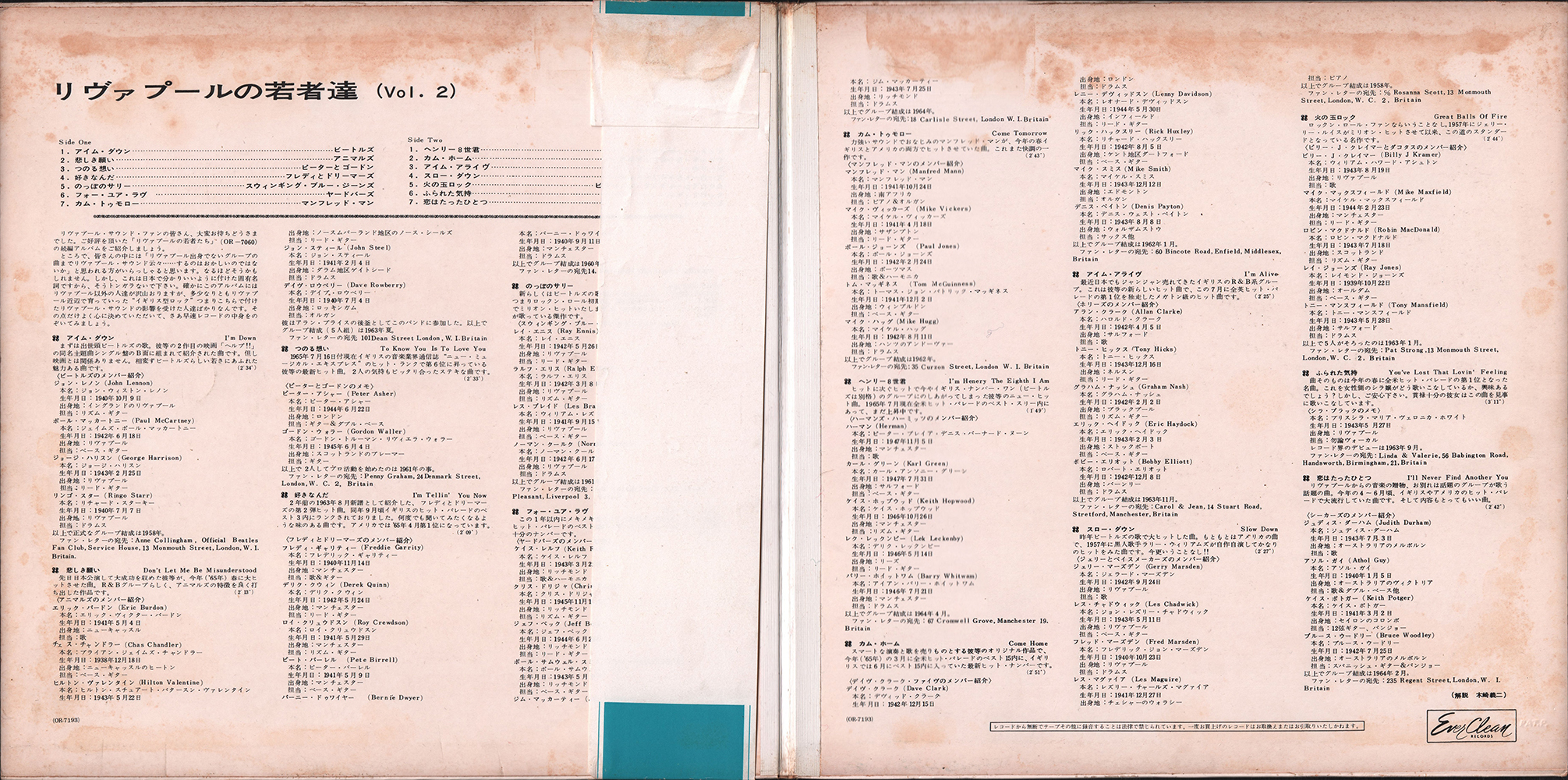 |
Gatefold Type. Thick cover. The bookbinding tape is bonded to a part of the inside cover. |
 |
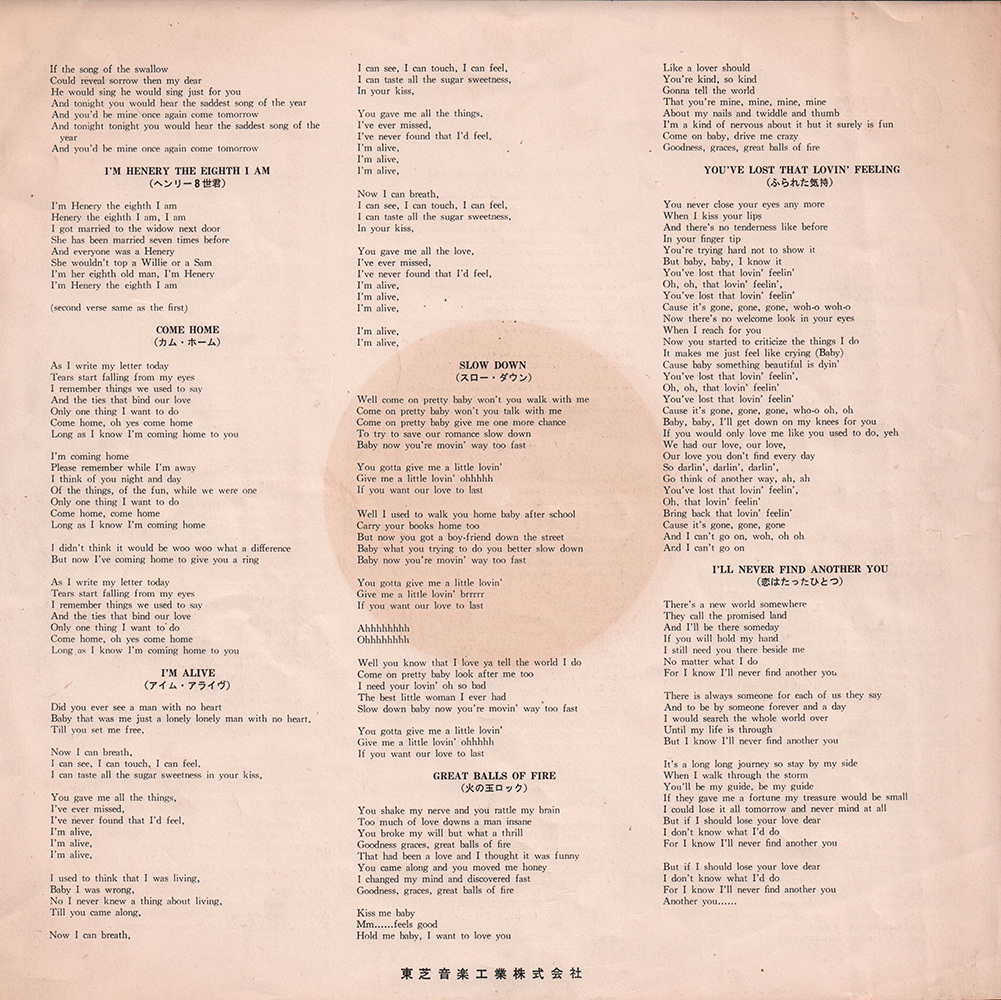 |
||
| LYRIC
SHEET
CLOSE UP |
|||||
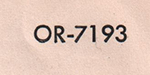 |
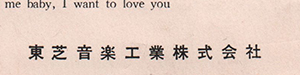 |
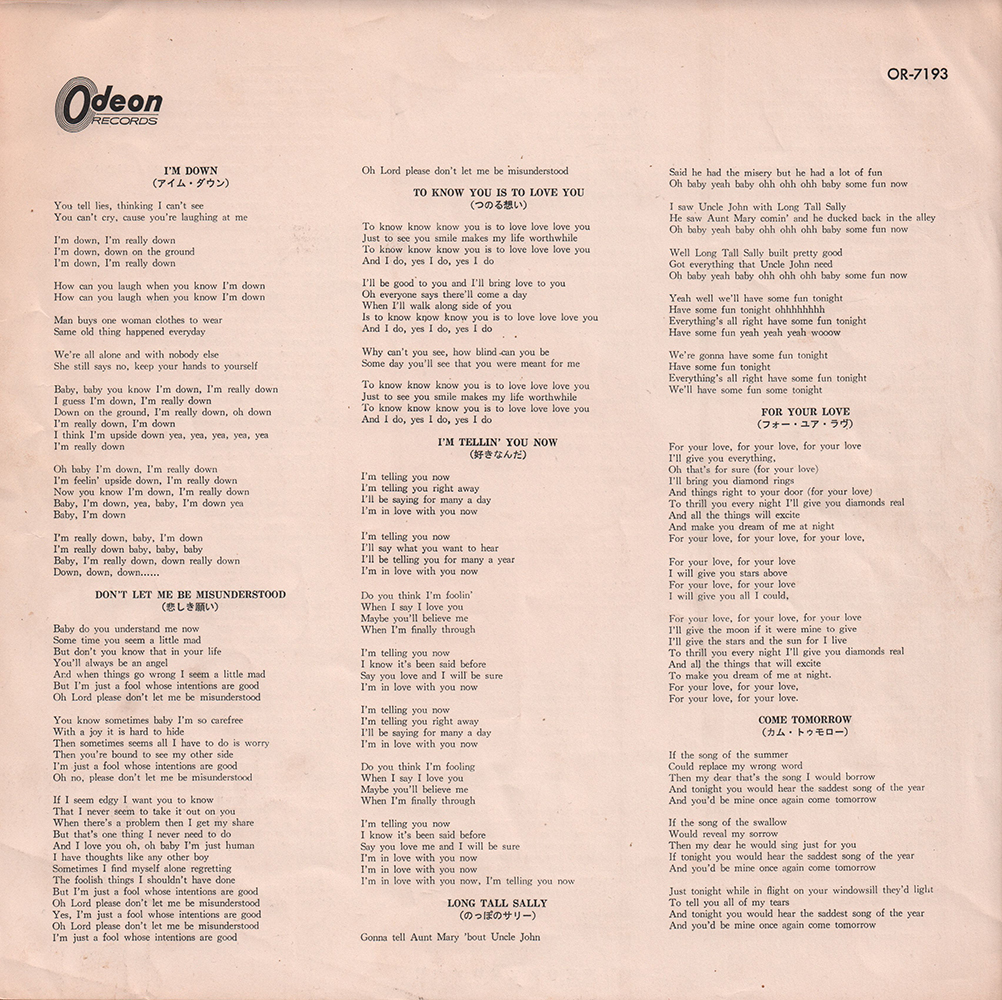
Catalog number
"OR-7163" and "Toshiba Musical Industries Ltd." were printed
on the lyric sheet. |
|||
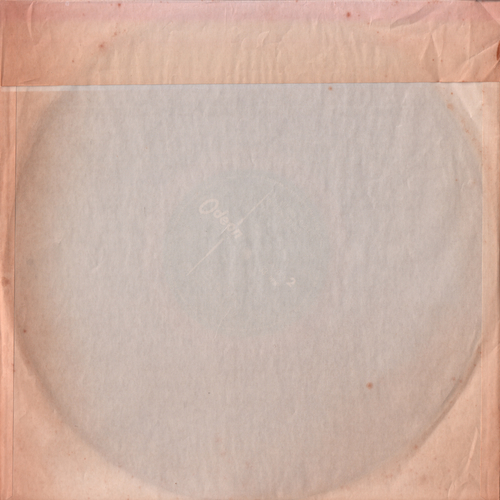
| INNER
SLEEVE |
|||||
| FRONT --> Click! | BACK --> Click! | INNER
SLEEVE
CLOSE UP |
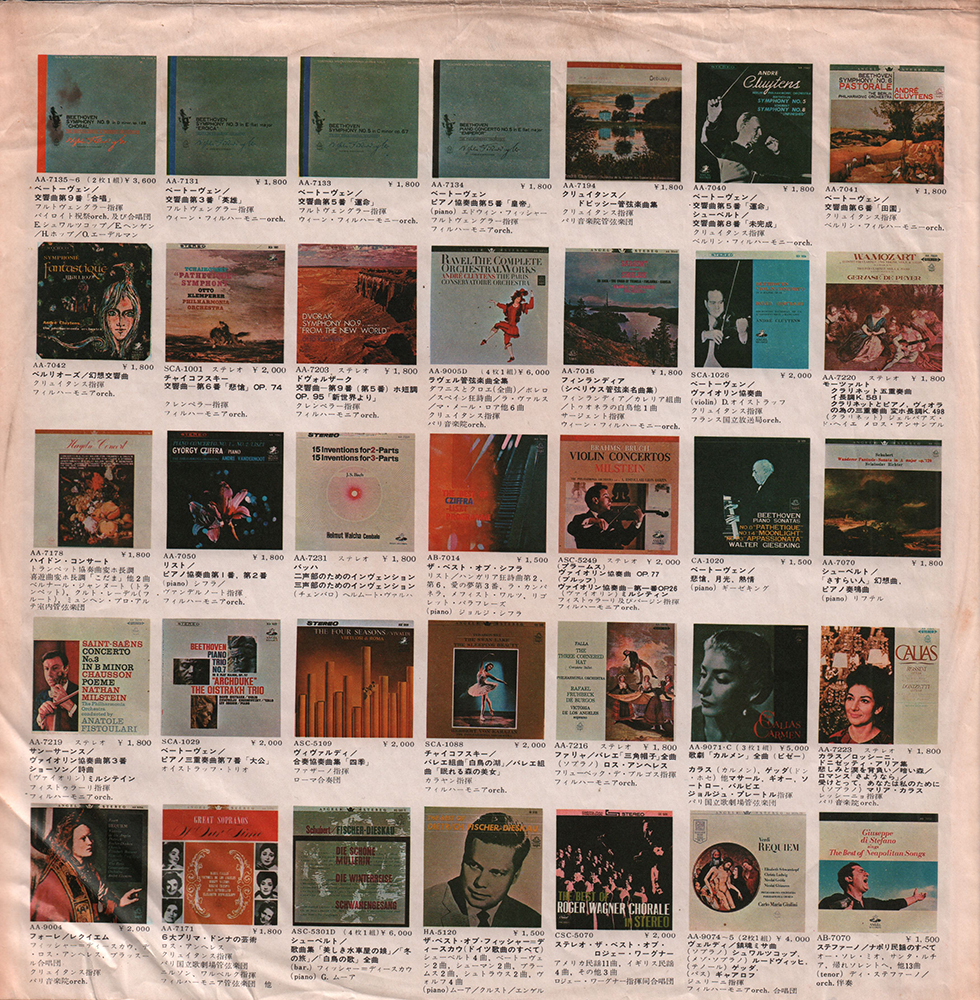
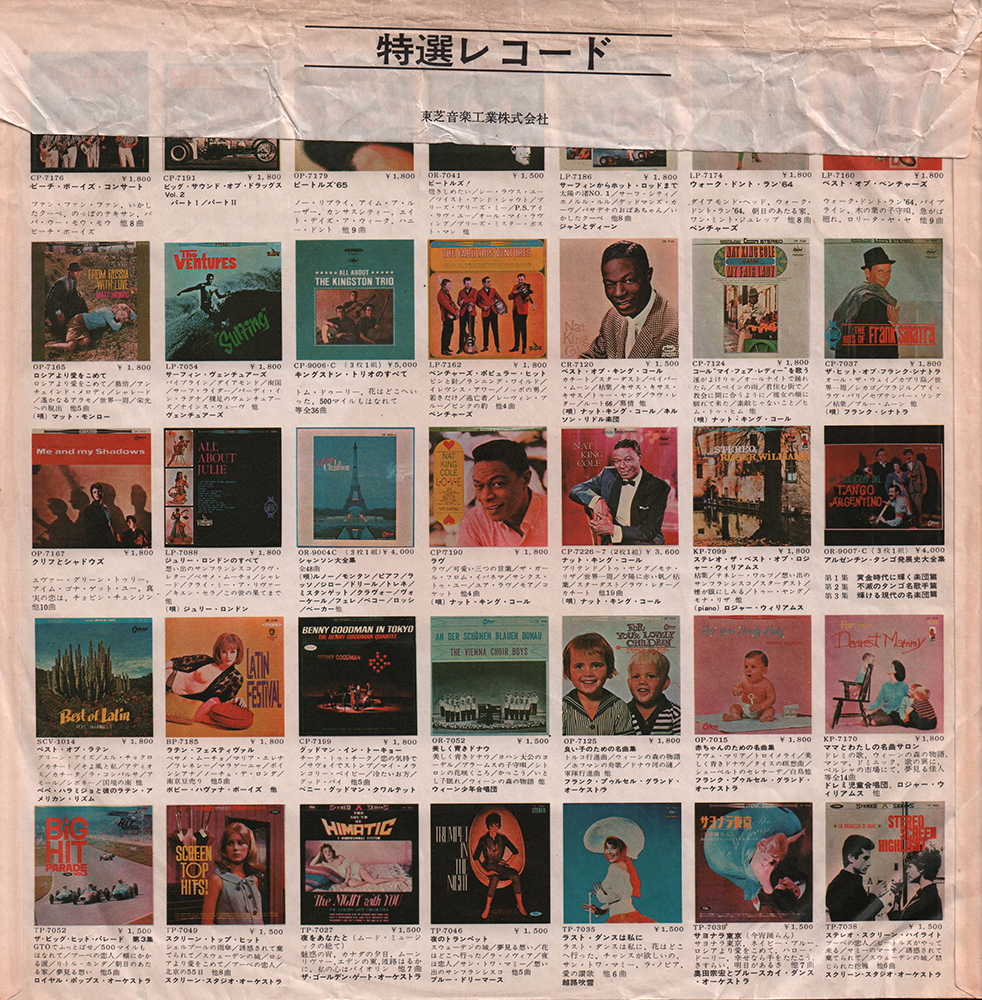
The
original
color "advert" inner bag has a fold-over flap at the top of
the bag to prevent the record from falling out. |
||
 |
 |
 |
|||
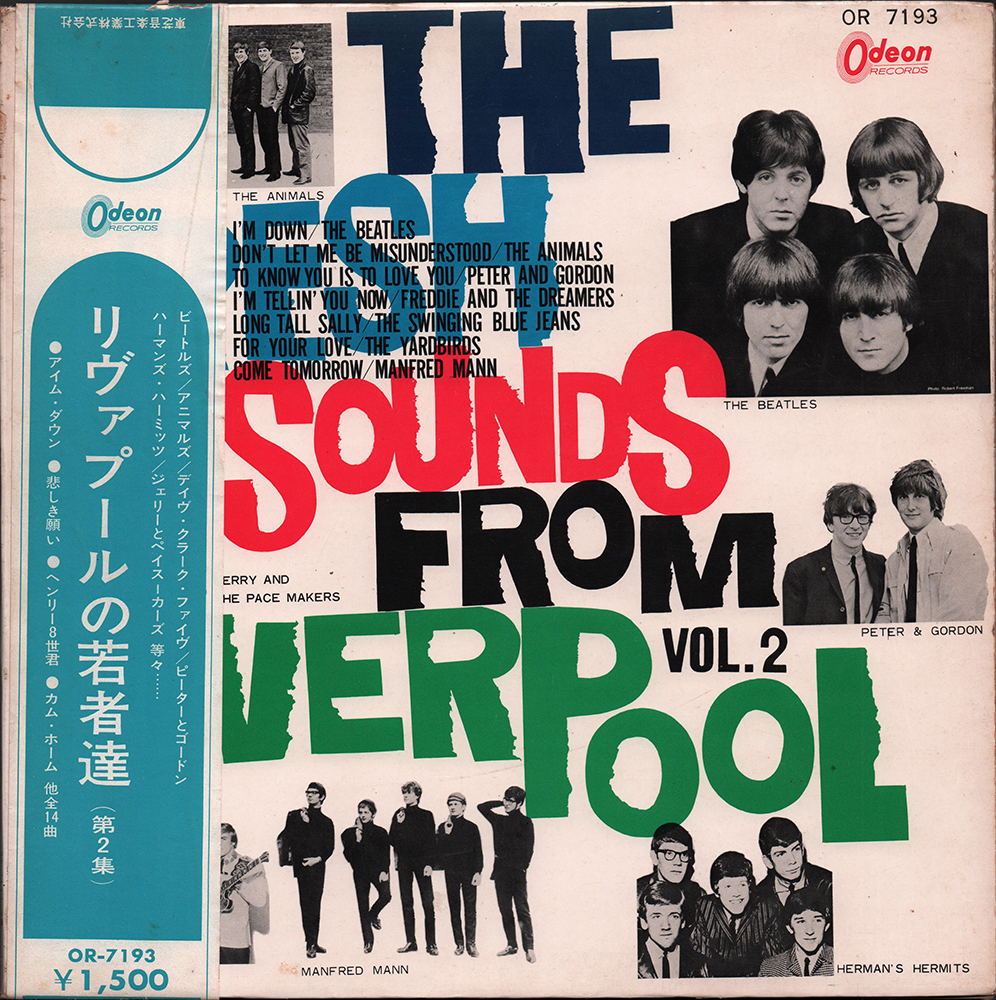
| FRONT COVER CLOSE UP |
INSIDE CLOSE UP | ||||
 |
Odeon logo mark and catalog No. were printed on the front cover. |  |
Hard Cover type. The bookbinding tape is bonded to a part of the inside cover. |
||
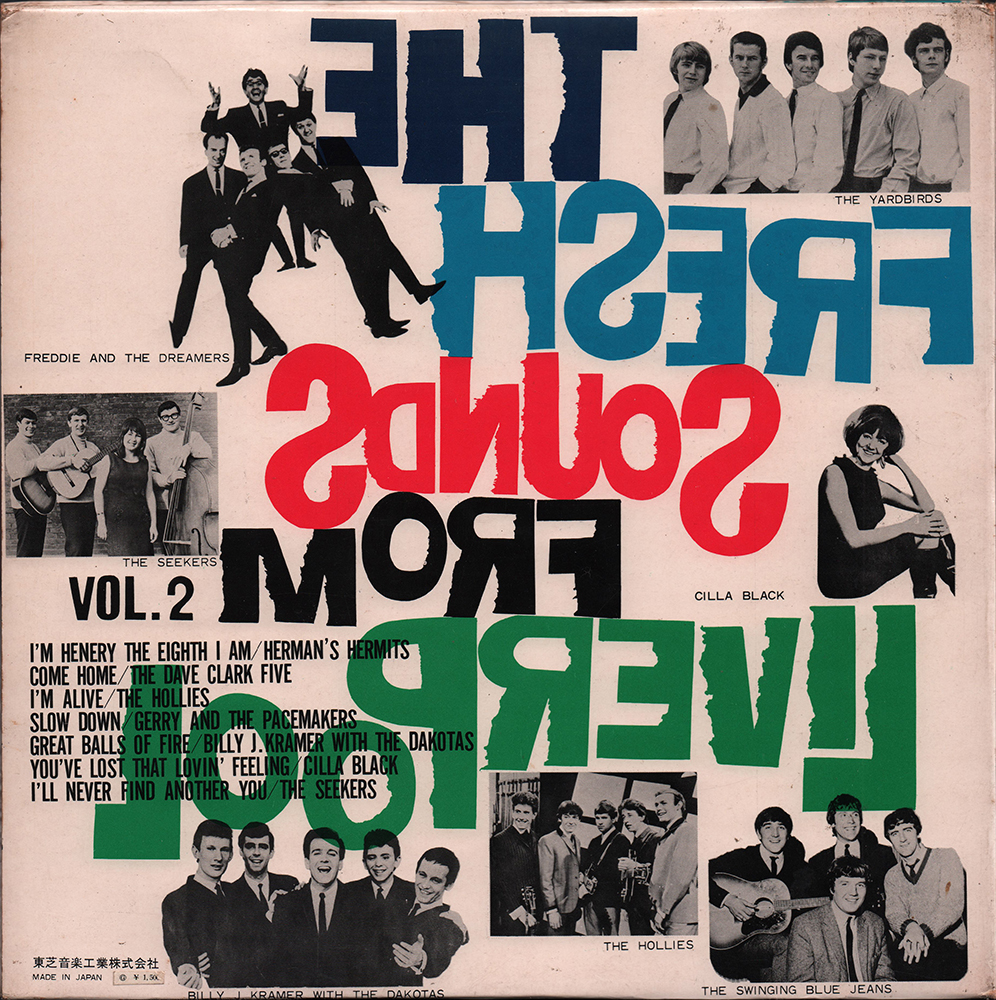
| INSIDE CLOSE UP | BACK COVER CLOSE UP | ||||
 |
Toshiba pressed a
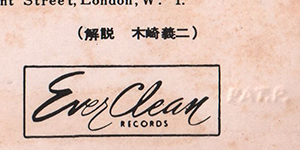
lot of their records on red, “Everclean” vinyl. Liner notes: Yoshiji Kizaki. The text "PAT.P" is embossed at the right side of the EverClean logo. |
 |
|||
| "Toshiba Musical Industries Ltd."
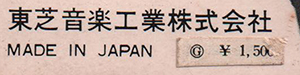
is printed at the bottom of the back cover. It appears to
have been mistakenly printed as 'G ¥1800', and a correction
sticker reading 'G ¥1500' is placed over it. |
|||||
| LIGHT
BLUE OBI: CLOSE UP |
|||||
| OBI: FRONT 1 | OBI:
FRONT 2 |
OBI:
BACK |
|||
 |
 |
 |
 |
||
| It is light blue /
white in design with light blue background with the half
circle on top. It also features an Odeon logo. The text 'Toshiba Musical Industries Ltd.', which normally appears on the back of the obi strip, wraps around to the front (upside down). |
There is no order sheet on the
back side of the Obi. |
||||
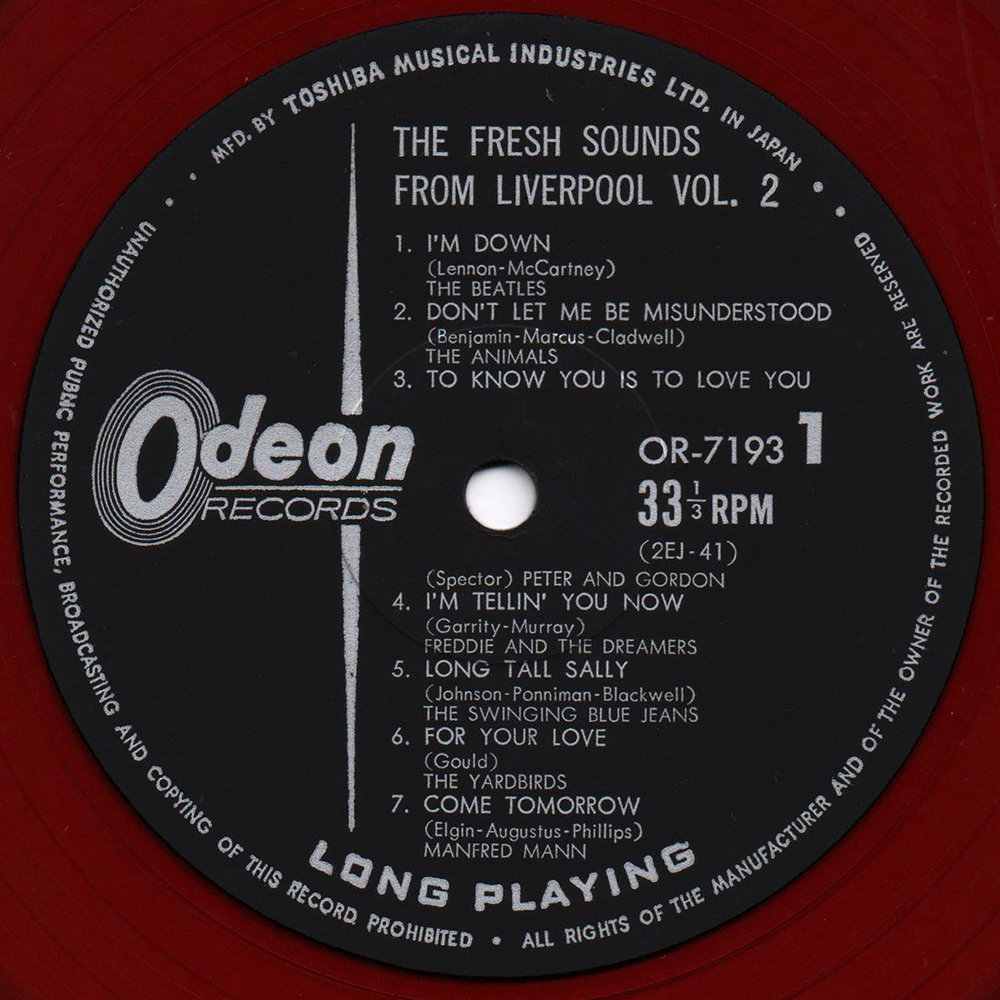
| LABEL CLOSE UP | |||||
 |
 |
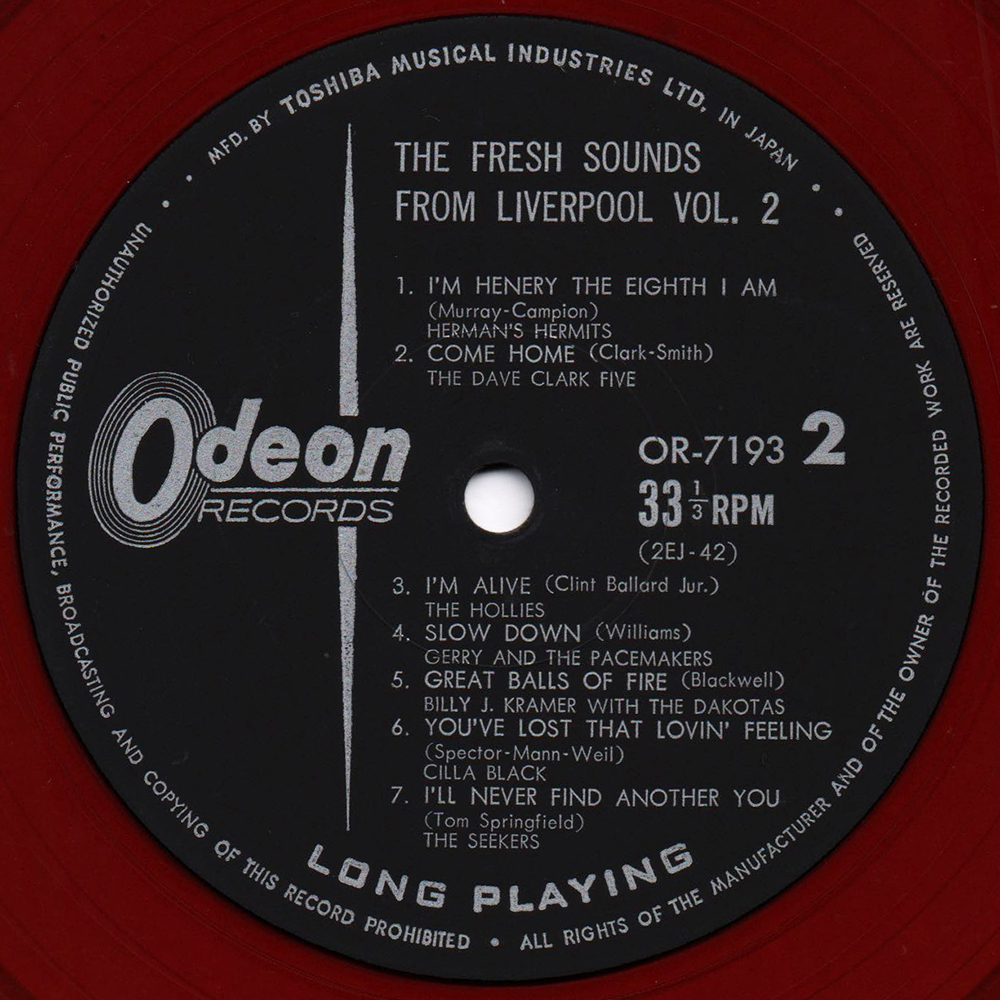
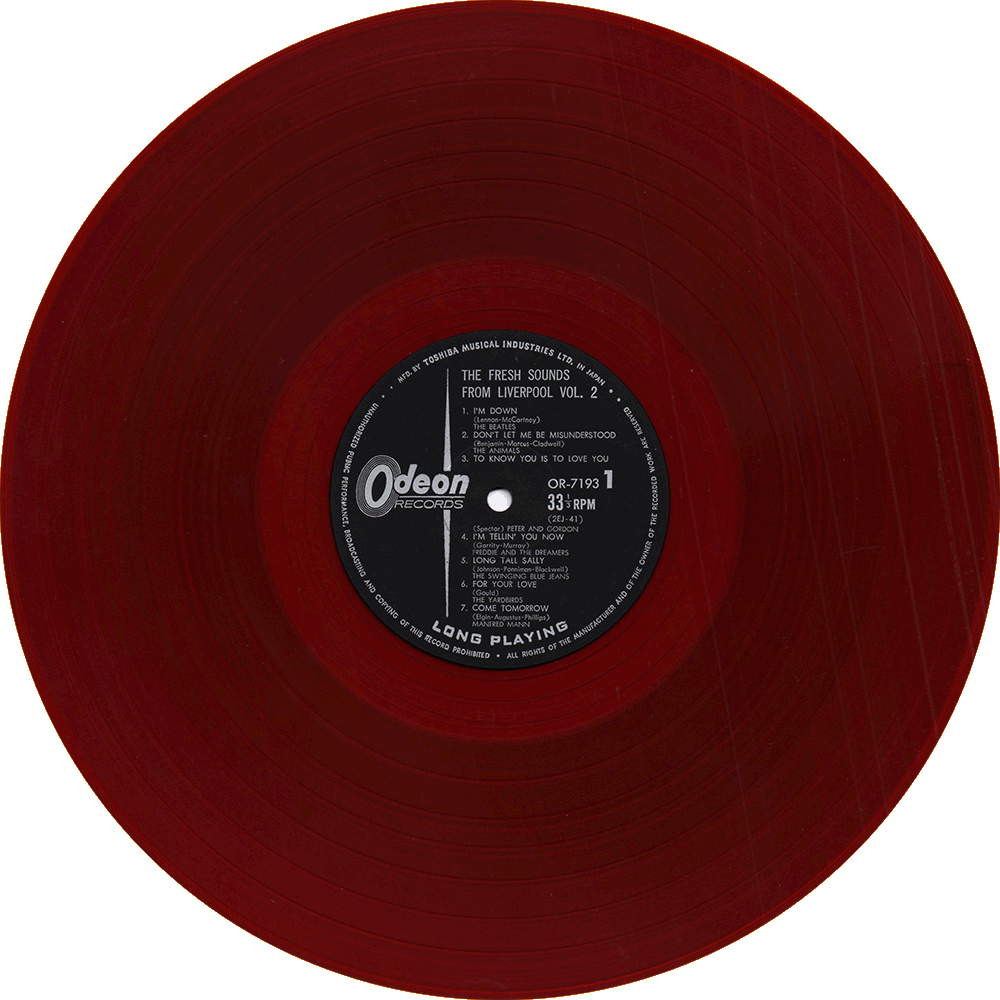
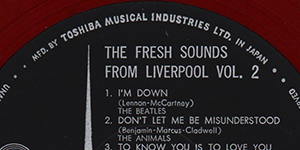
Toshiba
pressed a lot of their records on red, "Everclean" vinyl
from 1958 through 1974 (maybe). The Everclean vinyl
was designed to be less prone to collecting static
electricity and dust than the more common black vinyl. The
words "MFD. BY TOSHIBA MUSICAL INDUSTRIES LTD. IN JAPAN" was
printed at the perimeter. |
|||
| LABEL CLOSE UP |
|||||
 |
 |
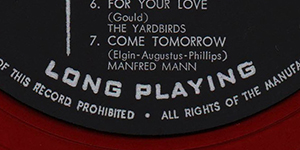 |
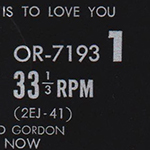
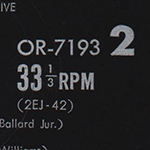
Catalog number and matrix
number were printed at the right side of the center hole. The words "LONG PLAYING" was printed at the bottom of the label. |
||
| LABEL CLOSE UP | |||||
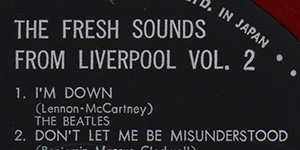 |
This record
contains one songs: "I'm Down" performanced by The Beatles on side-1. |
||||
|
OTHER ITEM
|
|||||
| - |
|||||
| RECORD LABEL | Odeon Label Type-1 (with the words "LONG PLAYING") | ||||
| MIX | MONO |
||||
| MATRIX No. | SIDE 1 | 2EJ-41 4 |
|||
| SIDE 2 | 2EJ-42 4 |
||||
| PRESS MARK |
H5 |
||||
| VINYL COLOR | RED | ||||
| RECORD COMPANY'S NAME | SLEEVE |
Toshiba Ongaku
Kogyo Kabushiki Kaisha |
|||
| LABEL |
MFD. BY TOSHIBA MUSICAL INDUSTRIES
LTD. IN JAPAN |
||||
| SYMBOL/PRICE | A "G ¥1500" sticker is placed over
the printed "G ¥1800" |
||||
| LYRIC SHEET STYLE | Slip Sheet Type |
||||
| COVER FORM | Gatefold type. (The bookbinding tape is bonded to a part of the inside cover.) | ||||
| INNER SLEEVE |
The original color "advert" inner bag
Type-1 |
||||
| OBI | Light
Blue Obi / without Order sheet |
||||
| COVER DESIGN/ PHOTO/ NOTES | Liner notes: Yoshiji Kizaki |
||||
|
COMMENTS
|
Black Odeon label with
silver print. The words "LONG PLAYING" was printed at the bottom of the label. This is a compilation album of the fresh groups from Liverpool. Toshiba Musical Industries Ltd. (EMI Music Japan) at that time focused on this Liverpool sound. In 1964, Toshiba independently edited the omnibus LP "The Fresh Sounds from Liverpool" which collects songs from several British bands including the Beatles. This record contains one song "I'm Down (side-1)" Red vinyl: Besides good sound and quality printing, Japanese records also offered some other things of interest to the collector. One of the primary manufacturing companies in Japan, Toshiba, pressed a lot of their records on red, “Everclean” vinyl from 1958 through 1974 (maybe). While not pressed as collectors’ items, these red vinyl pressings are more sought out by collectors than their black vinyl counterparts. The Everclean vinyl was designed to be less prone to collecting static electricity and dust than the more common black vinyl. The obi: "Light blue" Obi It is light blue / white in design with light blue background with the half circle on top. It also features an Odeon logo, catalogue number and price information. While most Japanese records feature local music, a lot of music fans there like foreign music, as well. The language barrier in Japan presented a problem – should foreign album covers be changed for Japanese albums? The solution was the obi, which means “belt” or “sash”. The obi is a strip of paper, usually about two inches wide, that wraps vertically around the album cover, containing information about the artist and album in Japanese. As these strips of paper were fragile and easily torn, they are often missing, especially since consumers in the 1950s and 1960s attached little significance to them. Finding Japanese records made prior to 1970 that still have the obi intact can be quite difficult, and for some albums, nearly impossible. The inclusion of the obi can dramatically affect the price of some Japanese records, sometimes increasing the price by a factor of ten. Yoshiji Kizaki. Japanese music critic. A pioneer who contributed greatly to the popularization of Western music in Japan. Chief editor of Japanese 60s / 70s American pop music fanzines such as Teenbeat, Popsicle, etc. |
||||