




 DMM Reissue Parlophone Sleeve |
|
|
| TITLE | PLEASE PLEASE ME |
||||
| CATALOG NUMBER | PMC 1202 |
||||
| RELEASE DATE | Circa 1992 (Unconfirmed) / Second
Press |
||||
| TRACK LISTING | SIDE 1 | SIDE 2 | |||
| I Saw Her Standing There |
Love Me Do |
||||
| Misery |
P.S. I Love You |
||||
| Anna (Go to Him) |
Baby It’s You |
||||
| Chains |
Do You Want To Know A Secret |
||||
| Boys |
A Taste Of Honey |
||||
| Ask Me Why |
There’s A Place |
||||
| Please Please Me | Twist And Shout | ||||
| FRONT --> Click! | BACK --> Click! | SIDE 1 --> Click! | SIDE 2 --> Click! | DISC --> Click! | |
|
 |
 |
 |
 |
|
| INNER SLEEVE | FRONT COVER CLOSE-UP | ||||
| FRONT --> Click! | BACK --> Click! | ||||
 |
 |
 |
 |
Parlophone logo at upper
left. The word “mono” was printed in the upper-right corner of the front cover. |
|
| FRONT COVER CLOSE-UP | BACK COVER CLOSE-UP | ||||
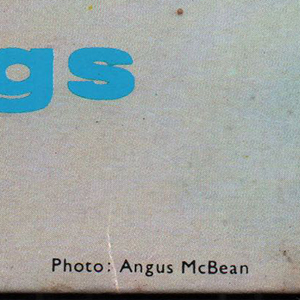 |
The “Photo: Angus McBean” credit begins just below the right edge of the “g” in “songs.” | 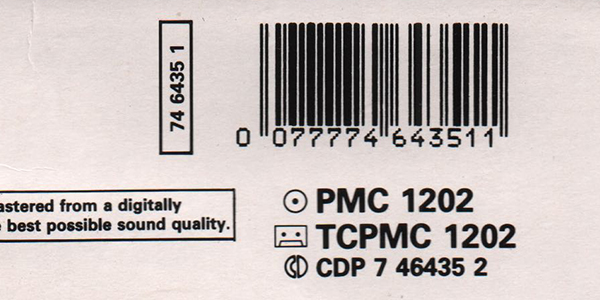 |
The upper right carries an
EAN barcode, LP/Cassette/CD catalog numbers, and the DMM
statement. |
||
| BACK COVER — CLOSE-UP | |||||
 |
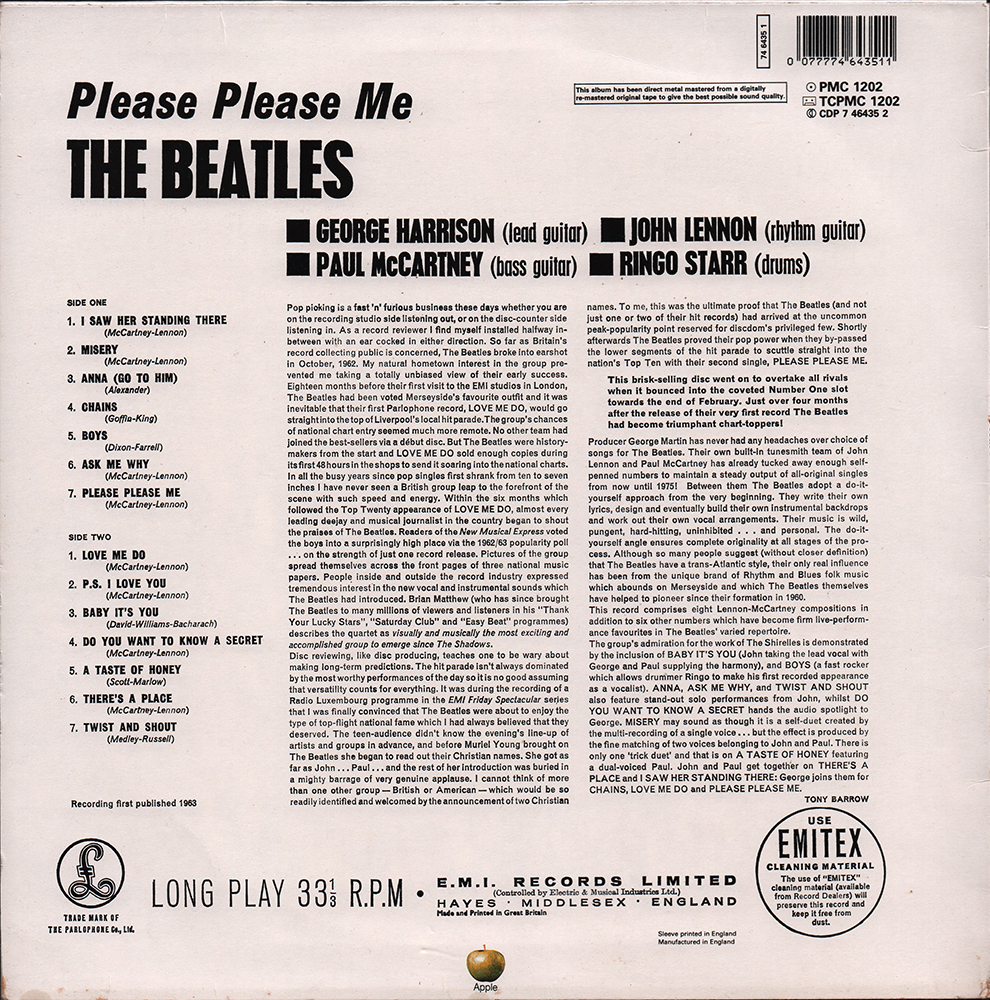
The back cover states that the album was digitally remastered and cut using DMM technology. | ||||
 |
 |
||||
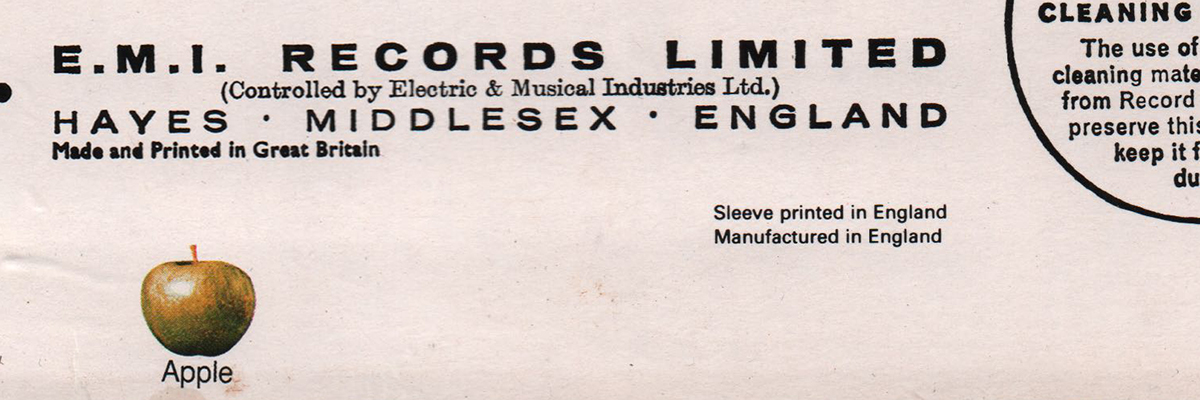
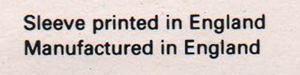
| A color Apple
logo is printed near the bottom center of the back
cover. The later Apple Corps trademark statement is absent. “Sleeve printed in England” and “Manufactured in England” appear near the bottom. The earlier design also retains “Made and Printed in Great Britain”. |
|||||
| LABEL CLOSE-UP | |||||
 |
 |
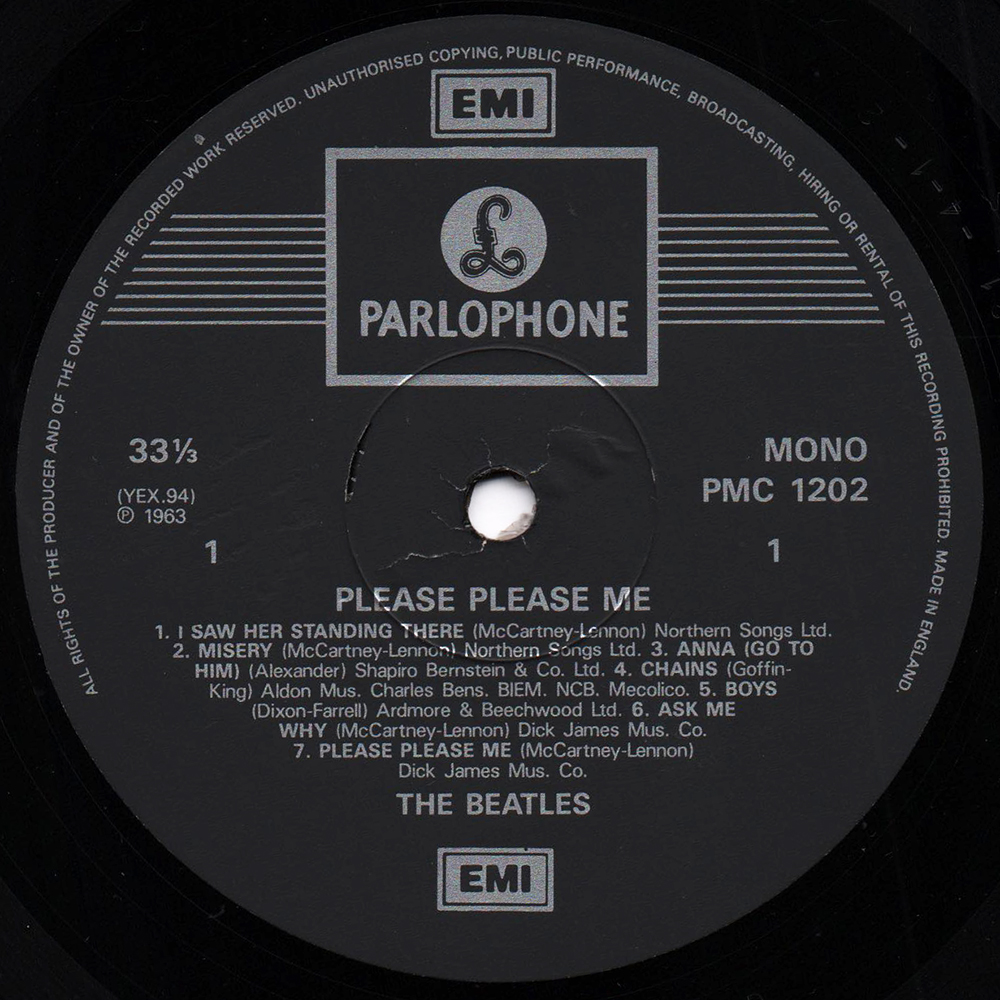
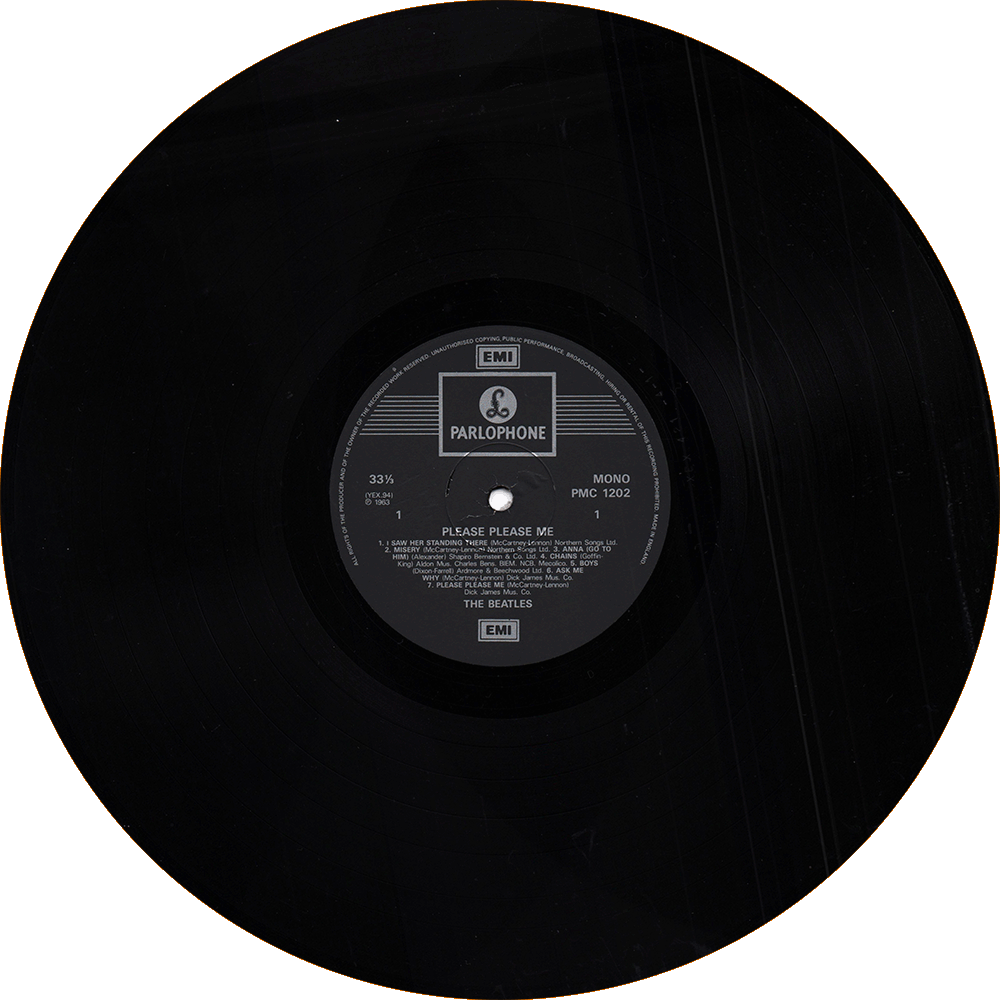
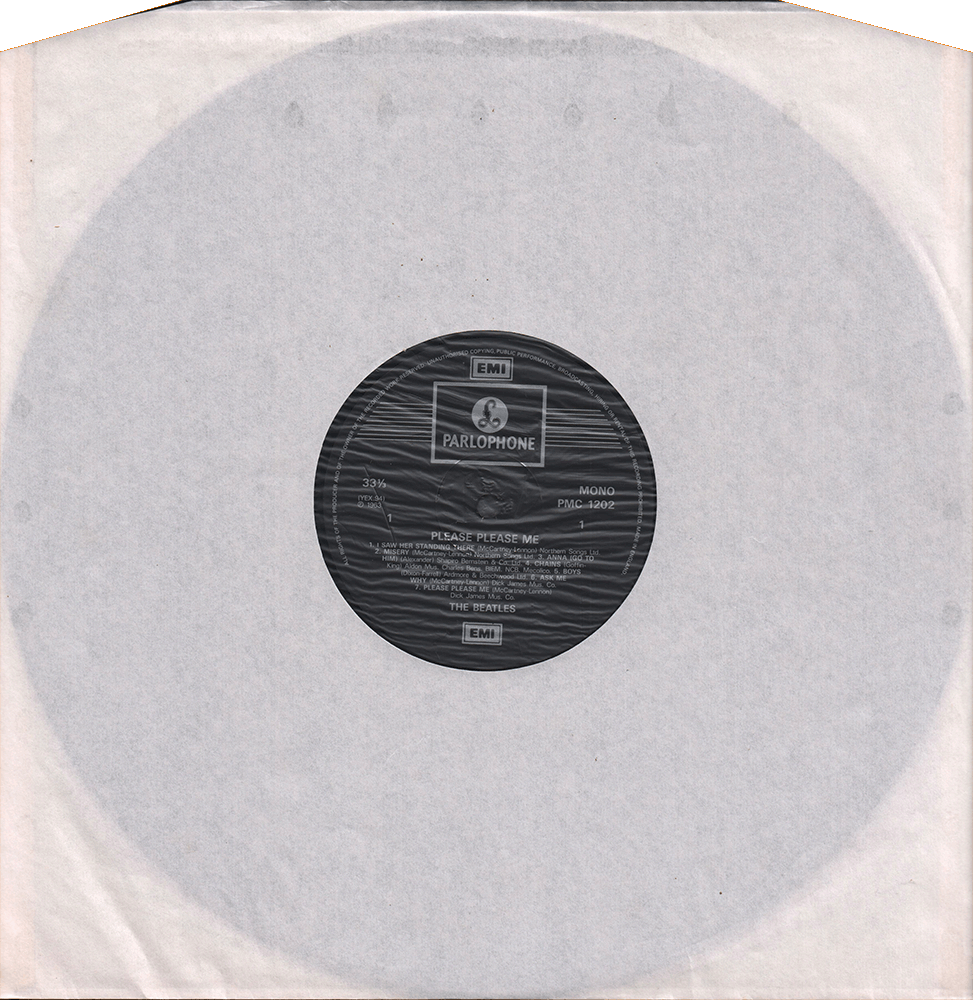
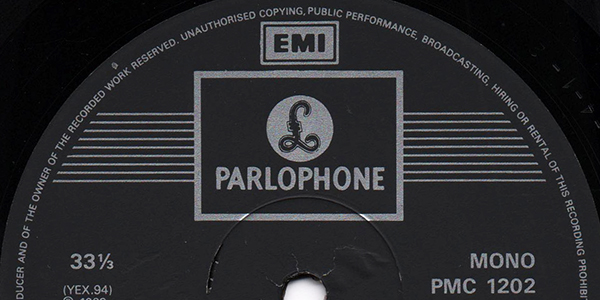
The black
Parlophone labels have silver print, with two boxed EMI
logos at the 12 and 6 o'clock positions. The outer silver
perimeter ring is absent. This copy has the label design of the 1987 DMM reissue series, paired with a later Apple-logo sleeve. |
|||
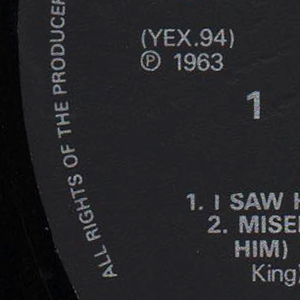 |
The label carries the MONO
designation and catalog number PMC 1202. The stereo matrix
identifier (YEX.94) was printed in error. |
 |
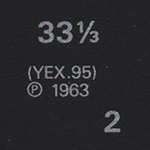 |
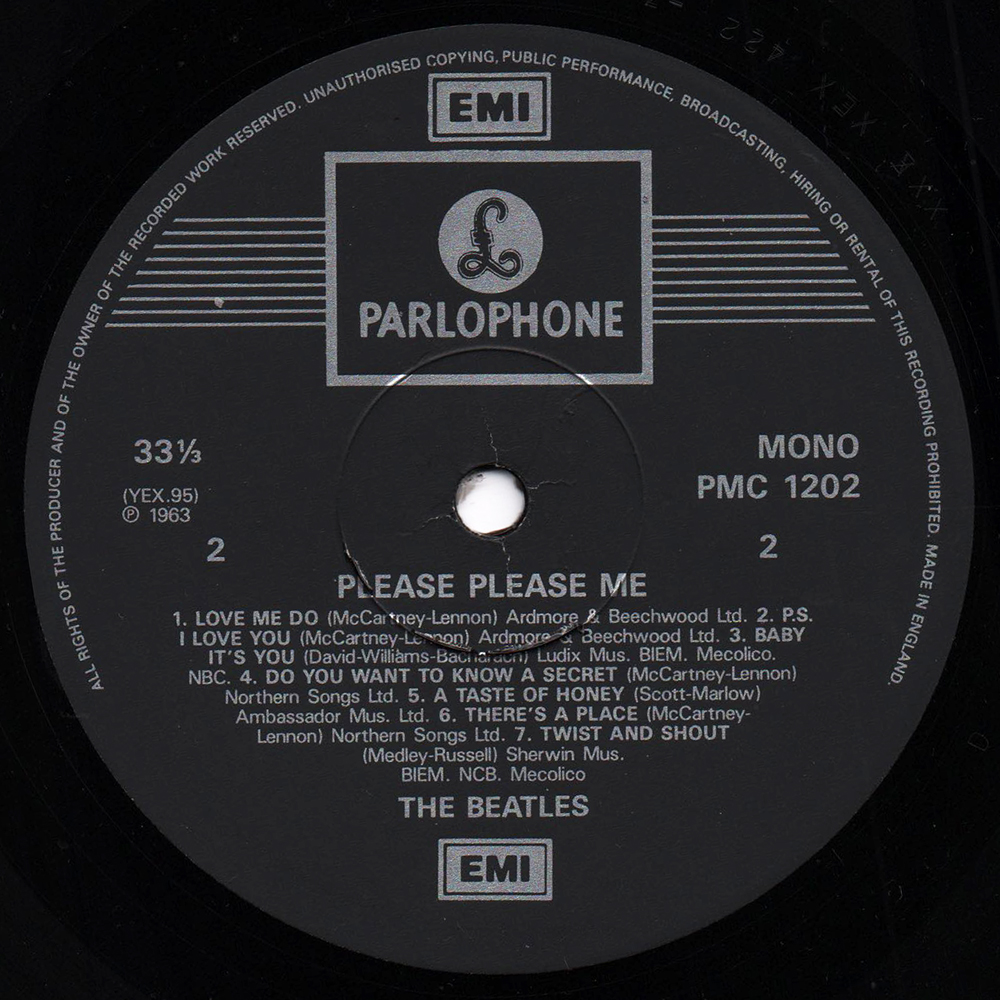
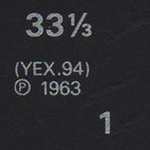
The Side 1 label
incorrectly shows (YEX.94), and the Side 2 label shows
(YEX.95). These belong to the stereo edition (PCS 3042). The
actual mono run-out numbers are XEX 421 / XEX 422. |
|
 |
The upper rim
begins “ALL RIGHTS OF THE PRODUCER…”, and the
country-of-origin notice reads “MADE IN ENGLAND”. |
||||
 |
The rim text
reads “HIRING OR RENTAL” instead of the earlier “HIRING,
RENTING”. |
||||
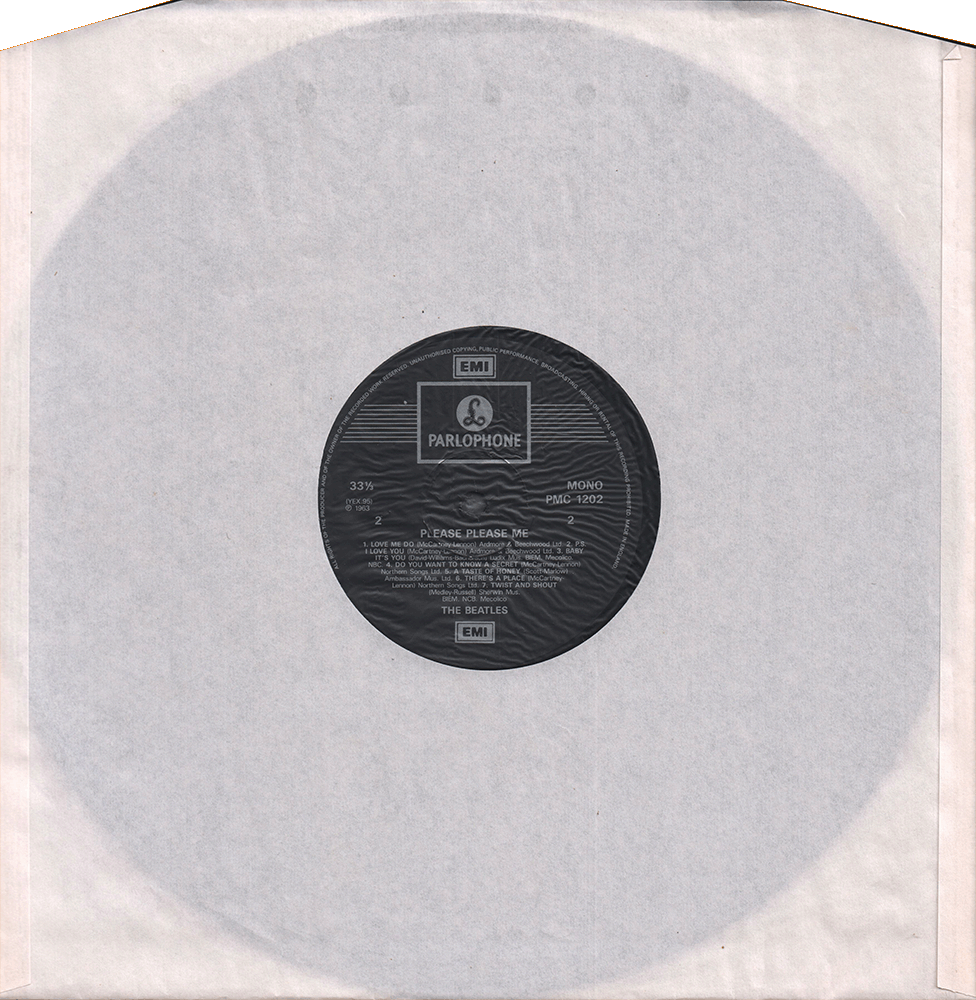
| LABEL CLOSE-UP | |||||
| SIDE 1 |
SIDE
2 |
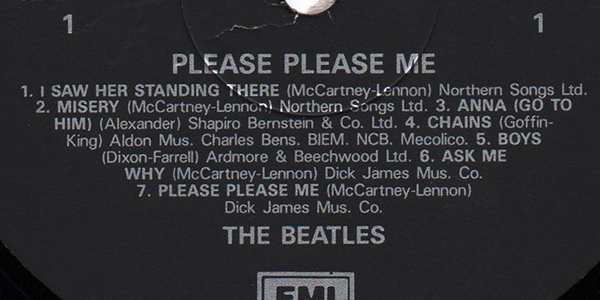
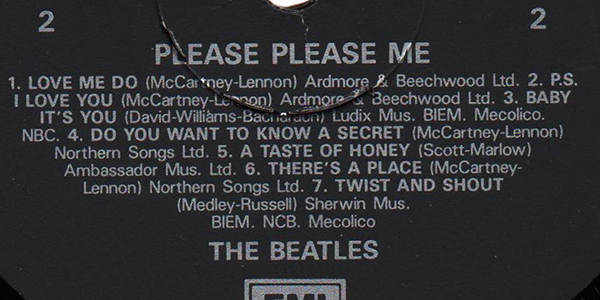
The Side
2 label lists seven tracks, from “LOVE ME DO” to “TWIST AND
SHOUT”. The printed (YEX.95) identifier belongs to the
stereo edition. |
|||
 |
 |
||||
 |
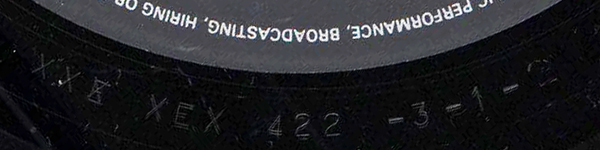 |
Side 1: XEX 421-4-1-2 Side 2: XXE (X over E) XEX 422-3-1-2 |
|||
|
OTHER ITEM
|
|||||
| - | |||||
| LABEL | Silver Parlophone label / 2 EMI
Marks (at 12 and 6 o’clock) / No outer silver ring |
||||
| MIX | MONO | ||||
| MATRIX No. | SIDE 1 | XEX
421-4-1-2 D |
MOTHER & STAMPER |
1/2 |
|
| SIDE 2 | XXE (X over E)
XEX
422-3-1-2 D |
1/2 |
|||
| VINYL COLOR | BLACK | ||||
| RECORD COMPANY'S NAME | E.M.I. RECORDS LIMITED | ||||
| CENTRAL REMARK "SOLD IN U.K..." |
NONE |
||||
| RECORDING PUBLISHED CREDIT | ℗ 1963 |
||||
| COVER FORM | Single-pocket sleeve, without
flipbacks. Both sides of the sleeve have a glossy finish and appear to be laminated. |
||||
| “mono” TEXT SIZE | Large |
||||
| PRINTER CREDIT | No printer credit | ||||
| COVER DESIGN/ PHOTO/ NOTES | Front-cover photograph by Angus
McBean; original liner notes by Tony Barrow. Additional information for the DMM reissue was printed on the back cover. |
||||
| INNER SLEEVE | Plain white die-cut paper inner
sleeve. |
||||
| PRODUCER | George Martin | ||||
|
COMMENTS
|
This mono
DMM reissue of Please Please Me is believed to have
been pressed in the U.K. around 1992. The exact pressing
date is unconfirmed. Its back cover has a color Apple logo,
but not the later Apple Corps trademark statement. Collector
comparisons suggest that Apple-logo sleeves appeared around
1990–1991; the date of this particular record cannot be
established from the sleeve alone. EMI introduced the Beatles DMM LP reissue series during the 1987 digital-remaster period. The first four original U.K. albums were issued in mono, while the later albums were issued in stereo. Abbey Road Studios had already introduced a Neumann DMM cutting lathe in 1984. Please Please Me retained its original 1963 mono mix. The album was digitally remastered for its first CD release in 1987, but it was not remixed. This LP belongs to the DMM reissue series associated with that digital remaster. The black Parlophone labels have silver print and two boxed EMI logos, at the 12 and 6 o'clock positions. The outer silver perimeter ring is absent. The rim text begins “ALL RIGHTS OF THE PRODUCER…” and includes “HIRING OR RENTAL” and “MADE IN ENGLAND”. From 1982, EMI U.K. generally stamped the matrix number, cut number, mother number, and stamper number together, separated by hyphens. On earlier EMI pressings, the identifiers were often placed in separate positions in the run-out area, with the GRAMOPHLTD letter code used for stampers. Incorrect Matrix Numbers Printed on the Labels The Side 1 label incorrectly shows “(YEX.94)”, while Side 2 shows “(YEX.95)”. These are the matrix numbers for the stereo edition (PCS 3042), not the mono edition (PMC 1202). The actual run-out numbers are based on XEX 421 and XEX 422, confirming that the record is a mono pressing. The same label misprint is found on other DMM reissues and is not unique to this copy. The Side 1 run-out reads “XEX 421-4-1-2” (cut 4, mother 1, stamper 2). The Side 2 run-out reads “XXE 422-3-1-2”, with an X overstruck on the E in the prefix (cut 3, mother 1, stamper 2). This corrected run-out inscription is separate from the matrix-number misprint on the labels. The sleeve has a glossy finish on both sides and appears to be laminated. The original back-cover design has been retained, with an EAN barcode, format-specific catalog numbers, a DMM notice, and a color Apple logo added for the reissue. Printed DMM Notice “This album has been direct metal mastered from a digitally re-mastered original tape to give the best possible sound quality.” Reference: What Is DMM (Direct Metal Mastering)? DMM is a mastering process in which audio grooves are cut directly into a copper-coated metal disc rather than a conventional lacquer disc. This eliminates an intermediate electroplating stage and can improve the accuracy of groove reproduction. DMM is a cutting technique and does not necessarily require a digital recording. |
||||
