




| Parlophone & Apple
Labels DMM (Direct Metal Mastering) Reissue |
||||
| < 1988 |
[1987-2003] |
1994> |
||
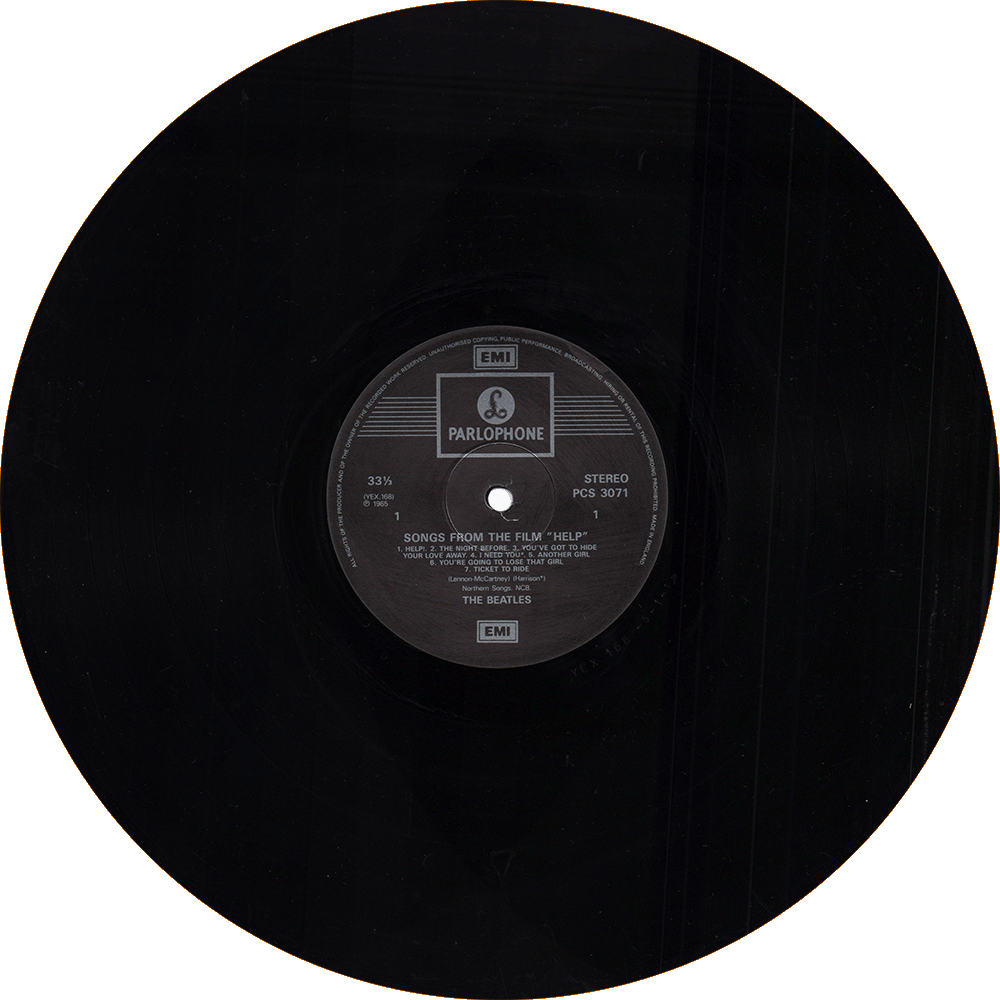 |
DMM (Direct Metal Mastering) is a record-cutting process developed by TELDEC and Neumann. Instead of cutting grooves into a soft lacquer coating on an aluminum disc, a diamond stylus cuts the audio groove directly into a thin copper layer on a metal master. The copper master can be used more directly in electroplating to produce the press stampers, reducing intermediate metalworking stages compared with conventional lacquer mastering. The intended benefits include improved consistency and lower risk of some cutting and plating artifacts; DMM does not guarantee a particular sound quality. DMM describes how the vinyl master is cut. Digital remastering describes how the source audio is prepared. A DMM record can be cut from either an analog or a digital audio source. On this pressing, the back-cover notice explicitly mentions both a digitally remastered original tape and direct metal mastering. EMI introduced the DMM Beatles LP reissue program during the 1987 digital-remaster period. The first four original U.K. albums were issued in mono and later albums, including Help!, in stereo. Abbey Road Studios had already introduced a Neumann DMM cutting lathe in 1984. |
|||
| Please Please Me | With The Beatles | A Hard Day's Night |
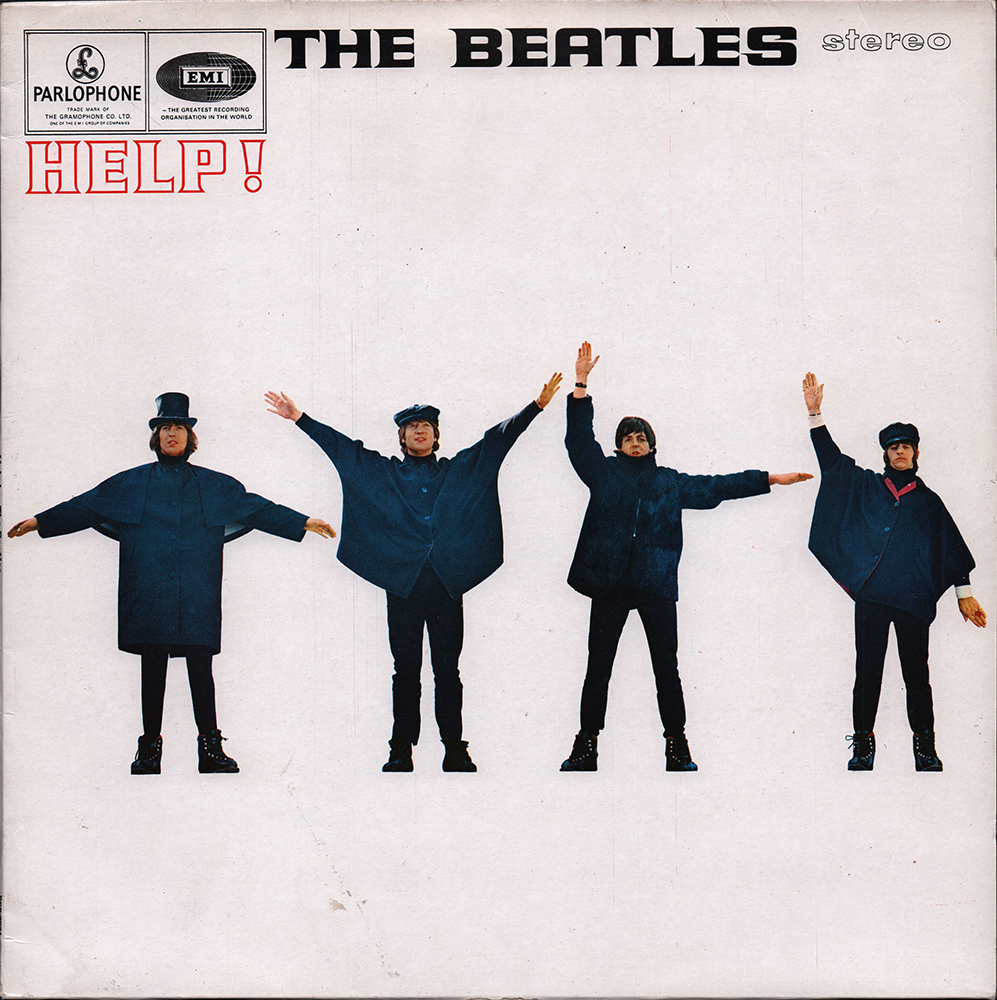
Beatles For Sale | Help! |
 |
 |
 |
||
| PMC 1202 |
PMC 1206 | PMC 1230 |
PMC 1240 | PCS 3071 |
| Rubber Soul | Revolver | Sgt. Pepper's | The
Beatles |
Yellow
Submarine |
 |
 |
 |
 |
|
| PCS 3075 |
PCS 7009 |
PMC 7027
|
PMC 7067/7068 |
PMC 7070 |
| Abbey
Road |
Let It Be |
Magical
Mystery tour |
||
 |
||||
        |
       |
      |