




|
|
TRACK LISTING
|
SIDE 1
|
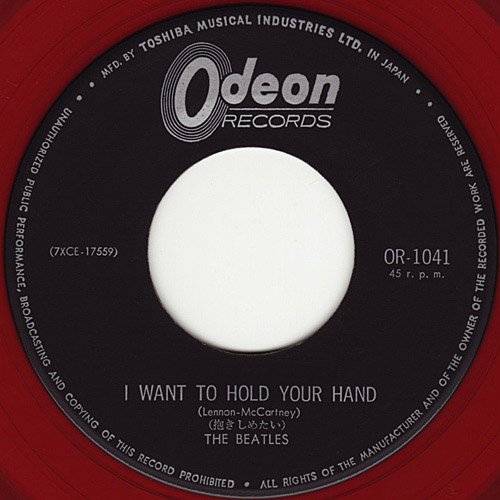
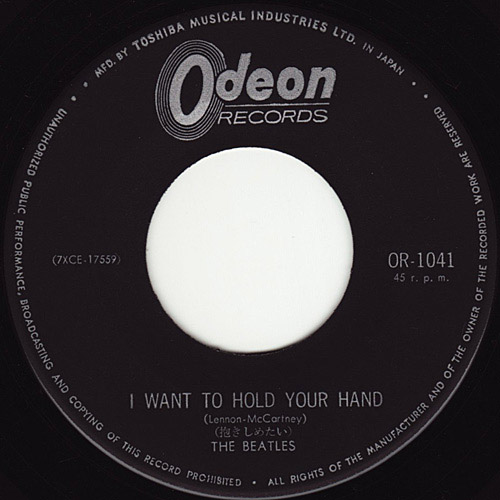
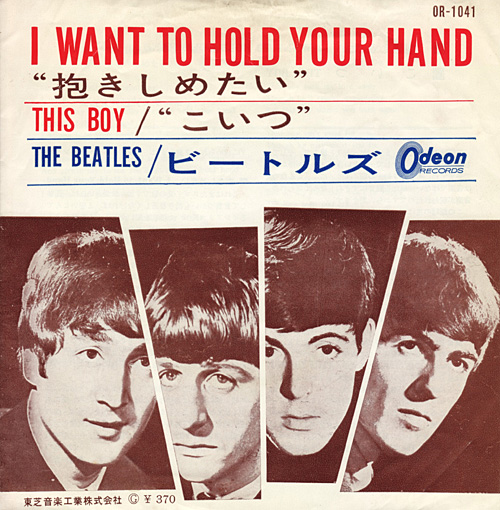
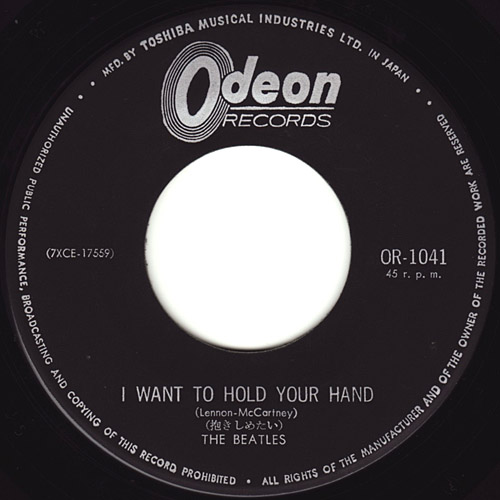
I Want To Hold Your Hand (Lennon-McCartney) | |||
|
SIDE 2
|
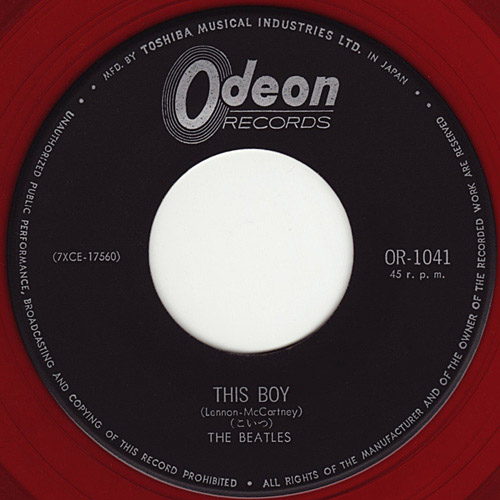
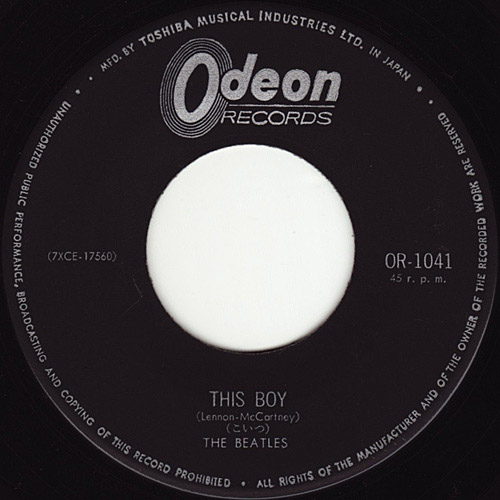
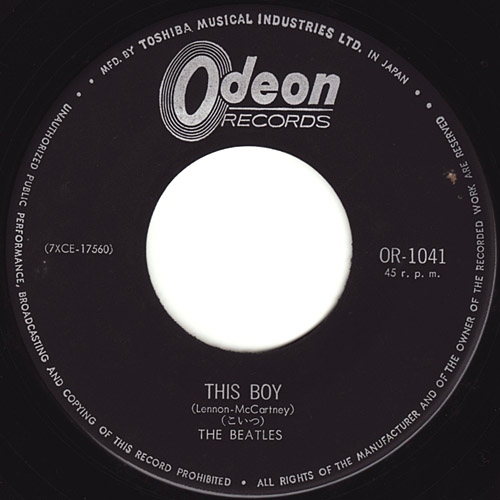
This Boy (Lennon-McCartney) | ||||
|
RELEASE DATE
|
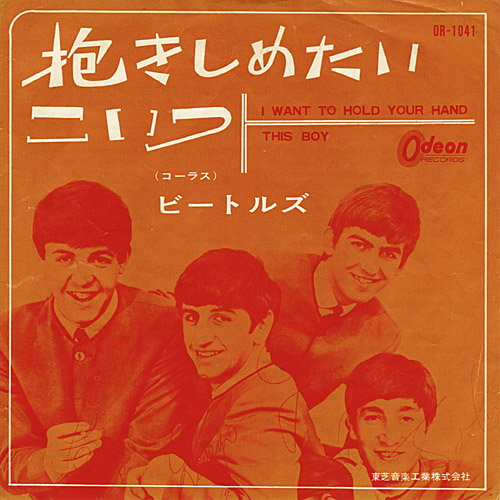
5th February.1964/First Press | ||||
|
LYRIC SHEET (Bifold)
|
SIDE 2 -->Click! | DISK -->Click! | |||
 |
 |
 |
 |
 |
|
|
LYRIC SHEET: INSIDE
|
INNER SLEEVE
|
LYRIC SHEET: FRONT CLOSE UP | |||
 |
 |
 |
 |
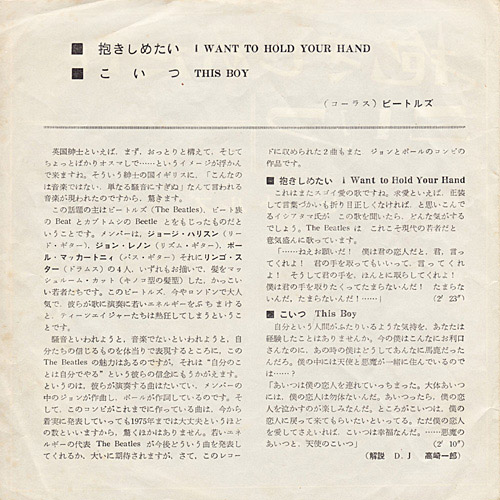
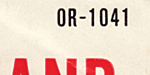
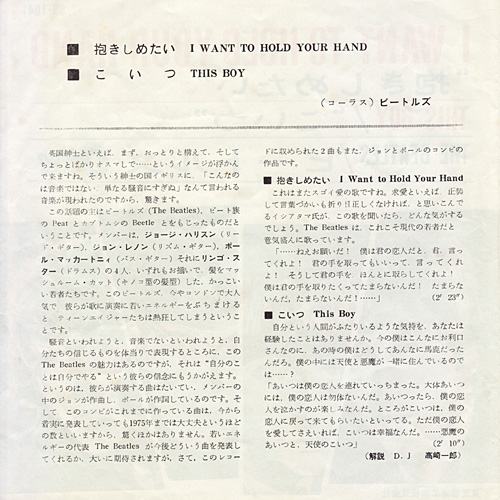
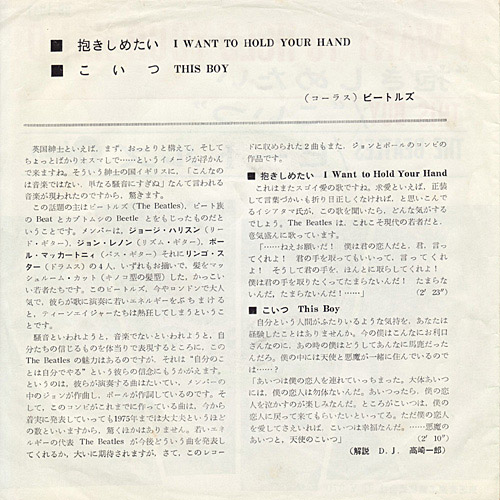
Odeon logomark and catalog no. "OR-1041" were printed at the upper of the lyric sheet. | |
|
LYRIC SHEET: FRONT
CLOSE UP
|
LYRIC SHEET: INSIDE CLOSE UP | LYRIC SHEET: BACK CLOSE UP | |||
 |
 |
 |
|||
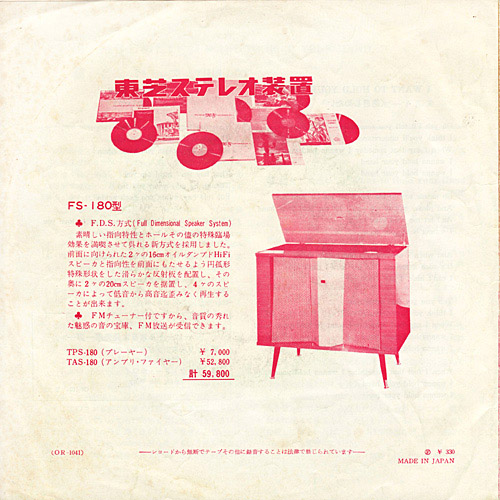
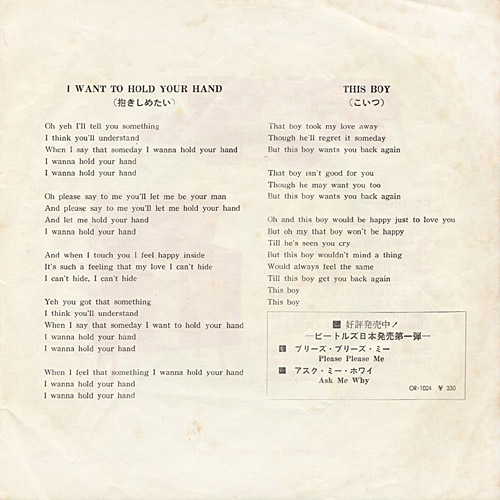
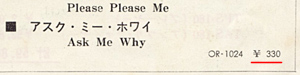
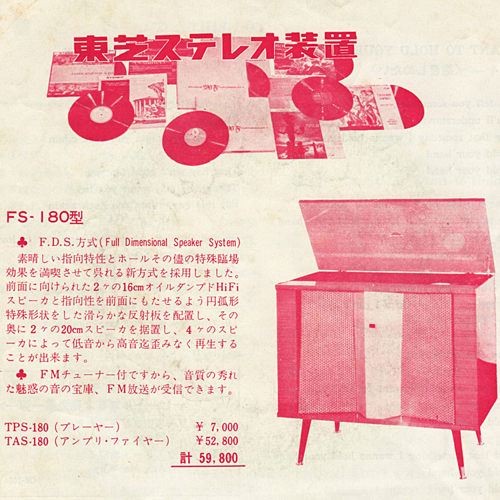
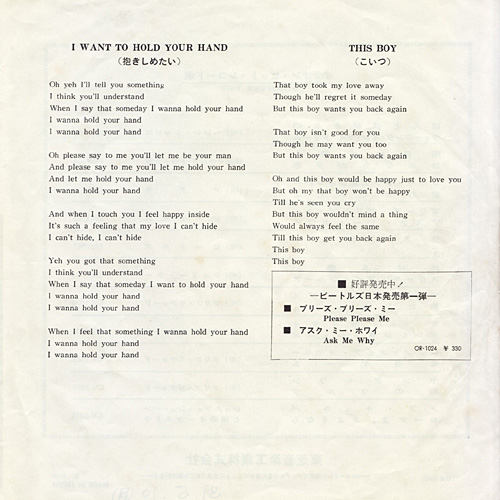
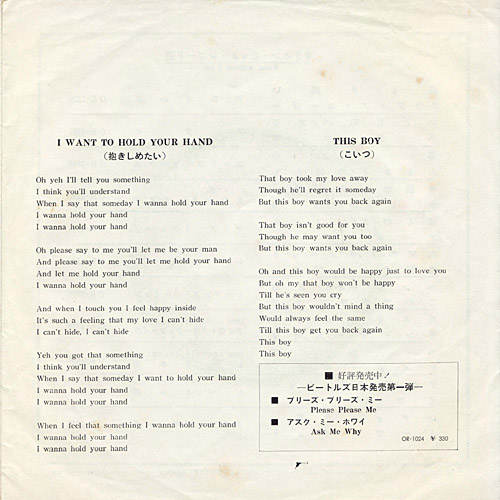
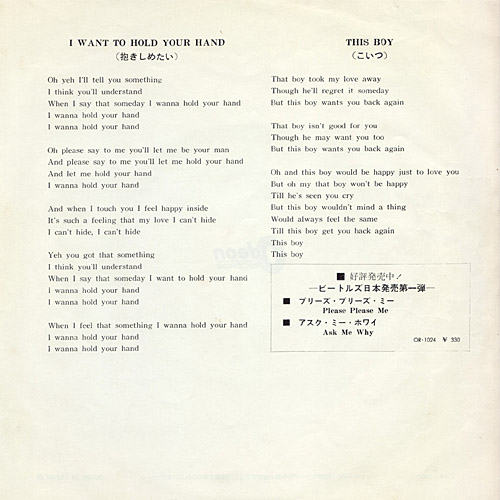
| The words "Toshiba Musical Industries Ltd." was printed at the bottom of the lyric sheet. | The first Beatles single in Japan, "Please Please Me/Ask Me Why" was introduced at the lyric sheet. (printed the price "¥330") | "Toshiba Audio system" advertising was introduced at the back of the lyric sheet. | |||
| LYRIC SHEET: BACK CLOSE UP | |||||
 |
Two
key identifying characteristics with
which the collector should be familiar are the circled letter symbol
and the price. There are important to note because TOSHIBA would reprint records from time to time without changing catalog numbers but with different symbols and price designations. "MADE IN JAPAN", "symbol=F" and "¥330" were printed at the bottom of the lyric sheet. |
||||
| LABEL CLOSE UP | |||||
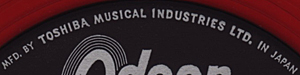 |
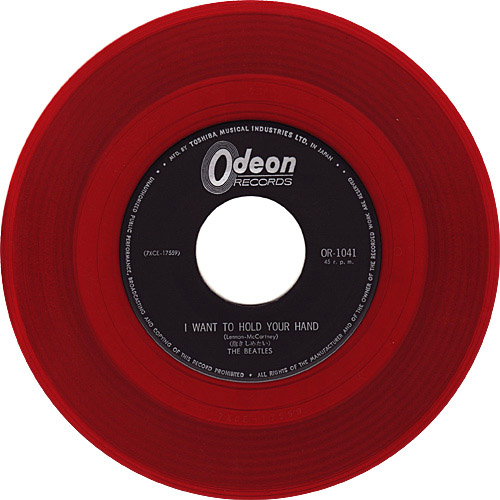
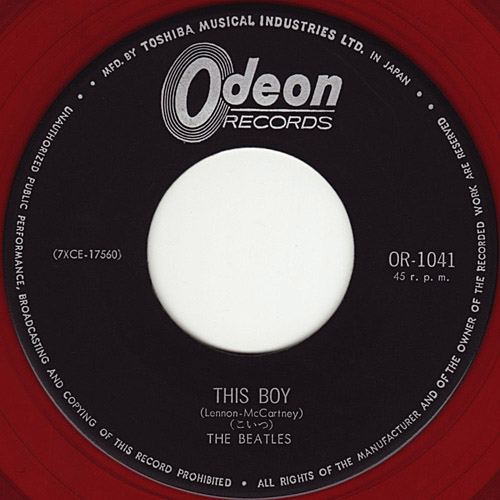
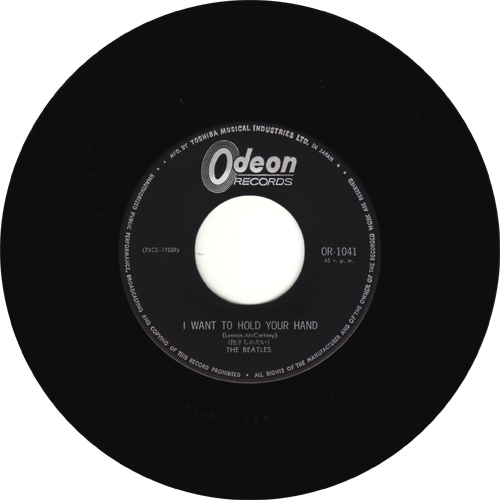
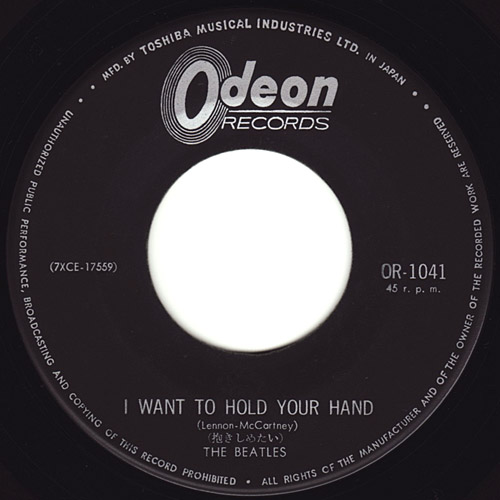
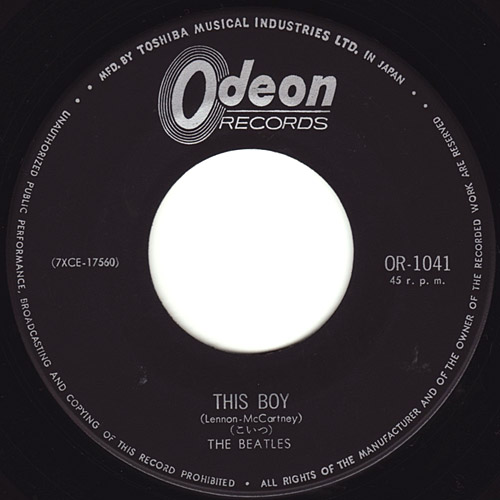
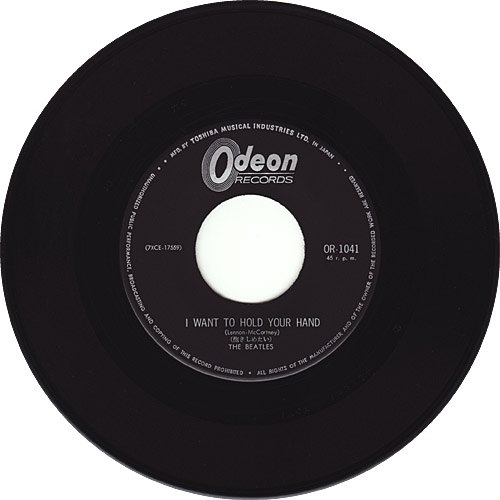
The words "MFD. BY TOSHIBA MUSICAL INDUSTRIES LTD. IN JAPAN" was printed at the perimeter. | ||||
|
OTHER ITEM
|
|||||
|
-
|
|||||
|
RECORD LABEL
|
Odeon type 1 | ||||
|
CATALOG NUMBER
|
OR-1041 | ||||
|
MATRIX NUMBER
|
SIDE 1
|
7XCE-17559 26 | |||
|
SIDE 2
|
7XCE-17560 18 | ||||
|
PRESS MARK
|
D4 | ||||
|
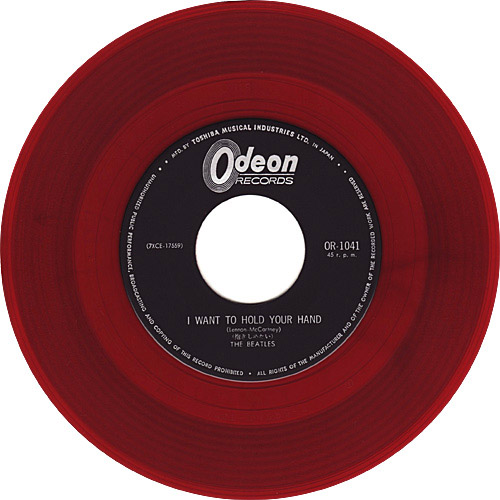
VINYL COLOR
|
Red | ||||
| DISK EDGE | Flat Edge | ||||
|
LYRIC SHEET STYLE
|
Bifold | ||||
|
INNER SLEEVE TYPE
|
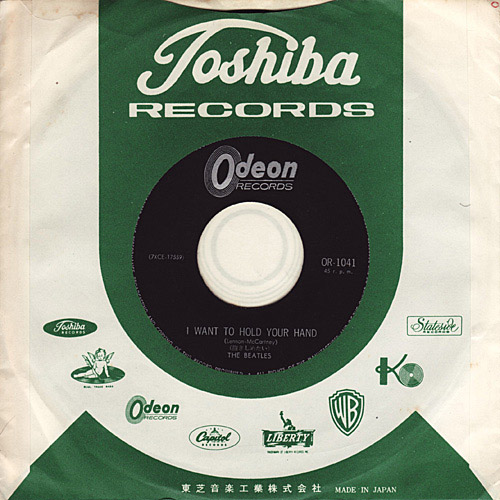
Toshiba Records Sleeve type 1 | ||||
|
MIX
|
Mono | ||||
|
RECORD COMPANY'S NAME
|
COVER
|
Toshiba Ongaku kogyo Kabusikigaisha | |||
|
LABEL
|
MFD. BY TOSHIBA MUSICAL INDUSTRIES LTD. IN JAPAN | ||||
|
SYMBOL/PRICE
|
F-330YEN | ||||
|
COMMENTS
|
Toshiba released the
first Japanese record featuring the Beatles by name as a group: "I Want
To Hold Your Hand/This Boy (OR-1041)". When this record was released in 1964, Toshiba's official name was "Toshiba Musical Industries Ltd." and they used the Odeon label for this and subsequent Beatles releases. The LPs, singles and EPs were initially released on both red and black vinyl, with the red variants reportedly offering particularly good sound quality. They are particularly sought-after by audiophiles, and are considerably rarer than the black vinyl versions - red vinyl signifies first pressings of a release. Nearly all of the Japanese Beatles singles were issued with "bifold" picture lyric sheet and company inner sleeve. "Please please me" has a lower catalog number and was scheduled to be the first Odeon Beatles single. However, "I want to hold your hand" was rush released to the market first. |
||||
|
TRACK LISTING
|
SIDE 1
|
I Want To Hold Your Hand (Lennon-McCartney) | |||
|
SIDE 2
|
This Boy (Lennon-McCartney) | ||||
|
RELEASE DATE
|
May 1964?/ 2nd. Press | ||||
|
LYRIC SHEET (Bifold)
|
SIDE 2 -->Click! | DISK -->Click! | |||
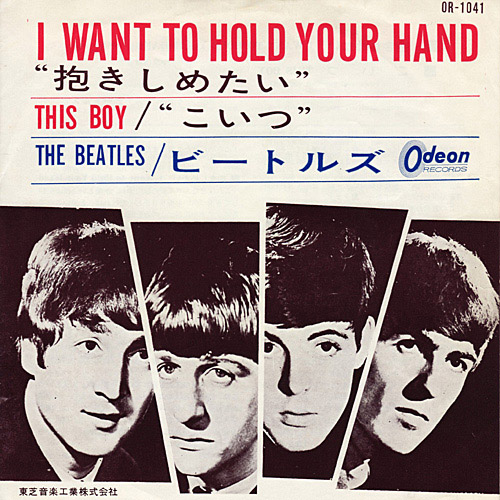 |
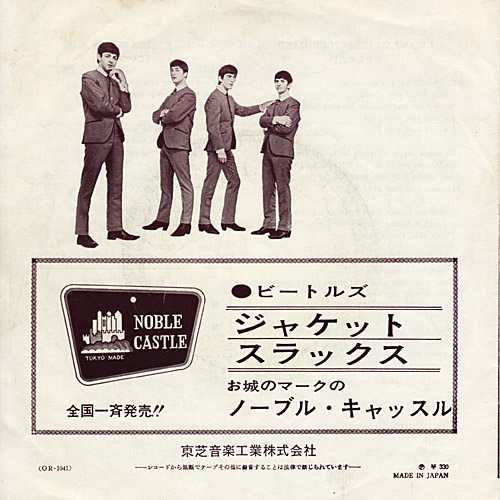 |
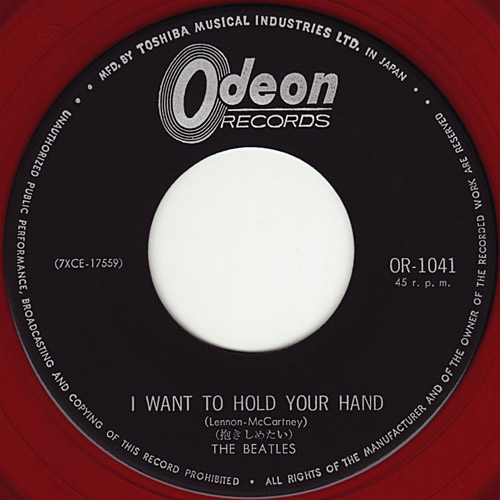 |
 |
 |
|
|
LYRIC SHEET: INSIDE
|
INNER SLEEVE
|
LYRIC SHEET: FRONT CLOSE UP | |||
 |
 |
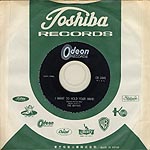 |
 |
 |
|
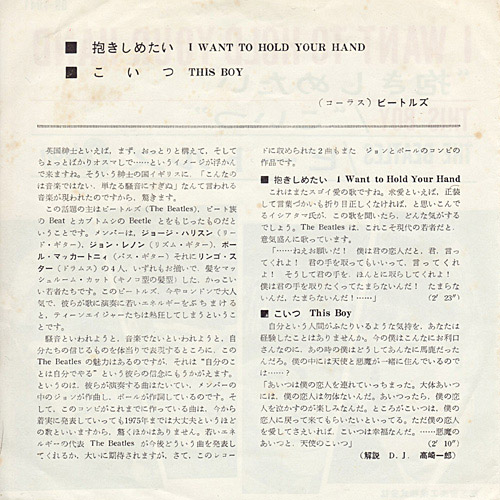
| Odeon logomark was printed at the upper of the lyric sheet. | |||||
|
LYRIC SHEET: FRONT
CLOSE UP
|
LYRIC SHEET: INSIDE CLOSE UP | LYRIC SHEET: BACK CLOSE UP | |||
 |
 |
 |
|||
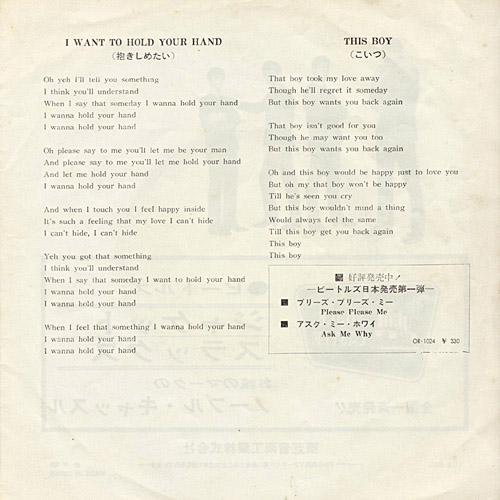
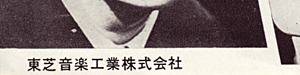
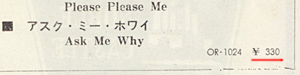
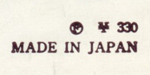
| The words "Toshiba Musical Industries Ltd." was printed at the bottom of the lyric sheet. | The first Beatles single in Japan, "Please Please Me/Ask Me Why", was introduced at the lyric sheet. (printed the price "¥330") | "MADE IN JAPAN" and "F-¥330" were printed at the bottom of the lyric sheet. | |||
| LYRIC SHEET: BACK CLOSE UP | |||||
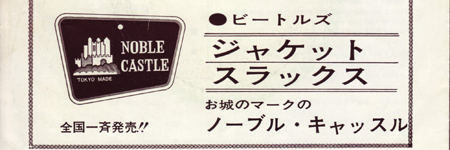 |
"The Beatles' fashion advertising" were introduced at the back of the lyric sheet. | ||||
| LABEL CLOSE UP | |||||
|
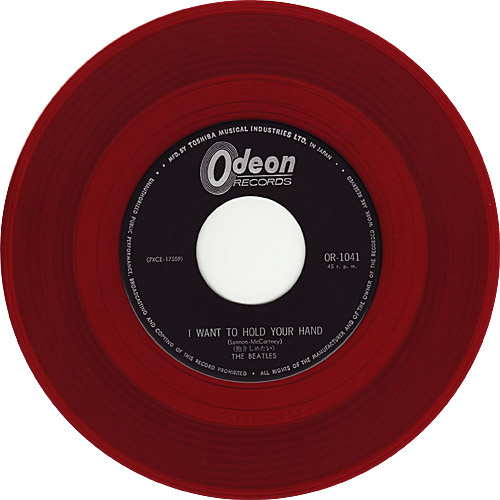
The words "MFD. BY TOSHIBA MUSICAL INDUSTRIES LTD. IN JAPAN" was printed at the perimeter. | ||||
|
OTHER ITEM
|
|||||
|
-
|
|||||
|
RECORD LABEL
|
Odeon type 1 | ||||
|
CATALOG NUMBER
|
OR-1041 | ||||
|
MATRIX NUMBER
|
SIDE 1
|
7XCE-17559 46 | |||
|
SIDE 2
|
7XCE-17560 56 | ||||
|
PRESS MARK
|
F4 -> M5 | ||||
|
VINYL COLOR
|
Red | ||||
| DISK EDGE | Flat Edge | ||||
|
LYRIC SHEET STYLE
|
Bifold | ||||
|
INNER SLEEVE TYPE
|
Toshiba Records Sleeve type 1 | ||||
|
MIX
|
Mono | ||||
|
RECORD COMPANY'S NAME
|
COVER
|
Toshiba Ongaku kogyo Kabusikigaisha | |||
|
LABEL
|
MFD. BY TOSHIBA MUSICAL INDUSTRIES LTD. IN JAPAN | ||||
|
SYMBOL/PRICE
|
F-330YEN | ||||
|
COMMENTS
|
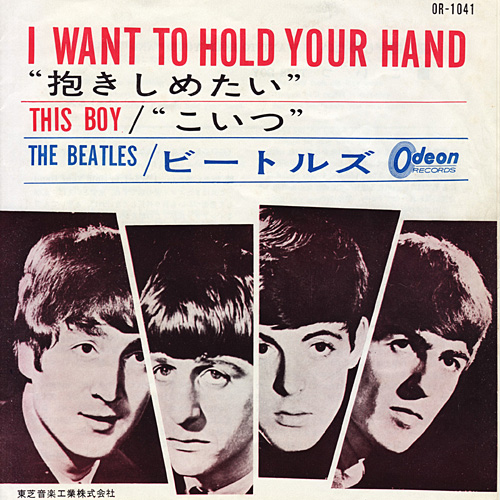
Reissue of #1-1 with a similar same cover but back cover is different. "The Beatles' fashion advertising" were introduced at the back of the lyric sheet. | ||||
|
TRACK LISTING
|
SIDE 1
|
I Want To Hold Your Hand (Lennon-McCartney) | |||
|
SIDE 2
|
This Boy (Lennon-McCartney) | ||||
|
RELEASE DATE
|
May 1964?/ Third Press | ||||
|
LYRIC SHEET (Bifold)
|
DISK -->Click! | ||||
 |
 |
 |
 |
 |
|
|
LYRIC SHEET: INSIDE
|
INNER SLEEVE
|
LYRIC SHEET: FRONT
CLOSE UP
|
|||
 |
 |
|
 |
 |
|
| Odeon logomark and catalog No. "OR-1041" were printed at the upper of the lyric sheet. | |||||
|
LYRIC SHEET: FRONT
CLOSE UP
|
LYRIC SHEET: INSIDE CLOSE UP | LYRIC SHEET: BACK CLOSE UP | |||
 |
 |
 |
|||
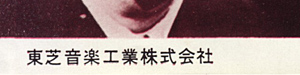
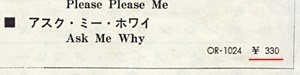
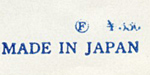
| The words "Toshiba Musical Industries Ltd." was printed at the bottom of the lyric sheet. | The first Beatles single in Japan, "Please Please Me/Ask Me Why" was introduced at the lyric sheet. (printed the price "¥330") | "MADE IN JAPAN" and "F-¥330" were printed at the bottom of the lyric sheet. | |||
| LYRIC SHEET: BACK CLOSE UP | |||||
 |
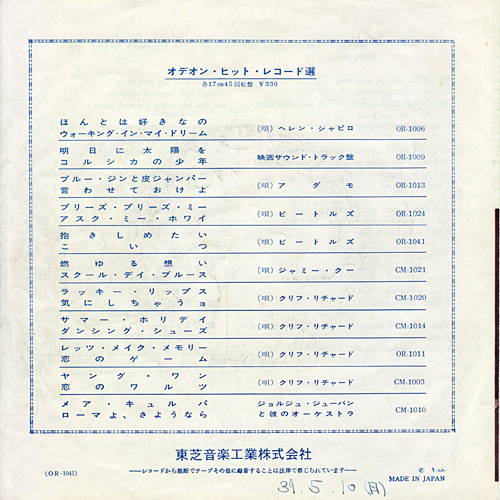
"The
Odeon Hit Records"
were
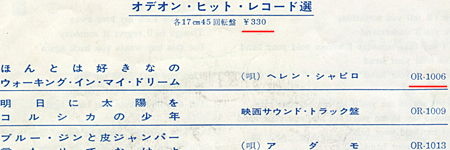
introduced at the back of the lyric sheet: from "OR-1006" to "CM-1010" (printed the price "¥330") |
||||
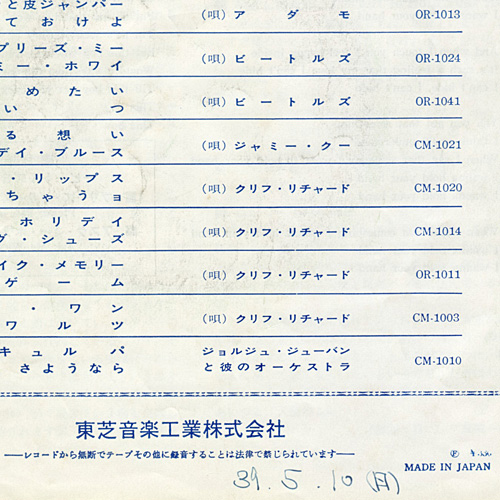 |
The words "Toshiba Musical Industries Ltd." was printed at the bottom of the lyric sheet. | ||||
| LABEL CLOSE UP | |||||
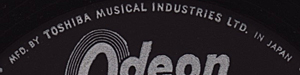 |
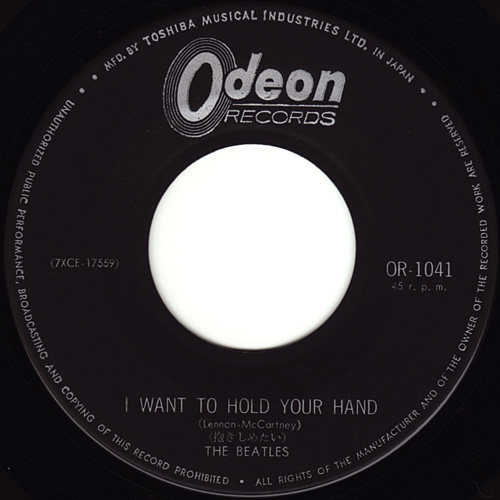
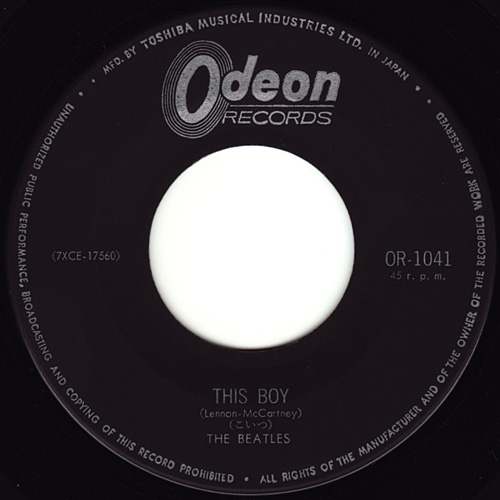
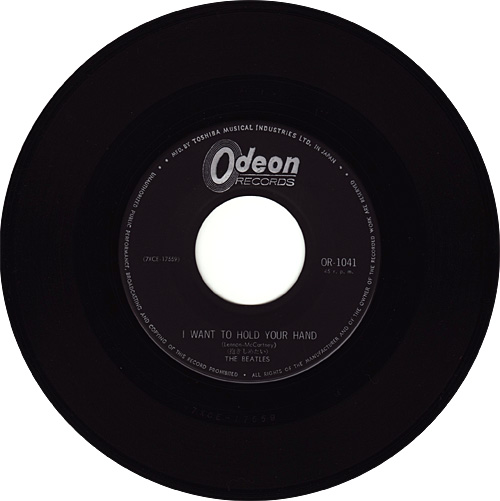
The words "MFD. BY TOSHIBA MUSICAL INDUSTRIES LTD. IN JAPAN" was printed at the perimeter. | ||||
|
OTHER ITEM
|
|||||
|
-
|
|||||
|
RECORD LABEL
|
Odeon type 1 | ||||
|
CATALOG NUMBER
|
OR-1041 | ||||
|
MATRIX NUMBER
|
SIDE 1
|
7XCE-17559 38 | |||
|
SIDE 2
|
7XCE-17560 23 | ||||
|
PRESS MARK
|
C4(?) -> D4 | ||||
|
VINYL COLOR
|
Black | ||||
| DISK EDGE | Flat Edge | ||||
|
LYRIC SHEET STYLE
|
Bifold | ||||
|
INNER SLEEVE TYPE
|
Toshiba Records Sleeve type 1 | ||||
|
MIX
|
Mono | ||||
|
RECORD COMPANY'S NAME
|
COVER
|
Toshiba Ongaku kogyo Kabusikigaisha | |||
|
LABEL
|
MFD. BY TOSHIBA MUSICAL INDUSTRIES LTD. IN JAPAN | ||||
|
SYMBOL/PRICE
|
F-330YEN | ||||
|
COMMENTS
|
Reissue of #1-2 with a
different
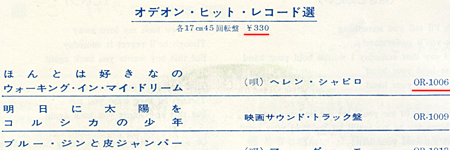
cover but with an identical record. "The Odeon Hit Records" were introduced at the back of the lyric sheet: from "OR-1006" to "CM-1010" The words "Toshiba Musical Industries Ltd." was printed at the bottom of the back of the lyric sheet. |
||||
|
TRACK LISTING
|
SIDE 1
|
I Want To Hold Your Hand (Lennon-McCartney) | |||
|
SIDE 2
|
This Boy (Lennon-McCartney) | ||||
|
RELEASE DATE
|
May 1964?/ Third Press | ||||
|
LYRIC SHEET (Bifold)
|
DISK -->Click! | ||||
 |
 |
 |
 |
 |
|
|
LYRIC SHEET: INSIDE
|
INNER SLEEVE
|
LYRIC SHEET: FRONT
CLOSE UP
|
|||
 |
 |
|
 |
 |
|
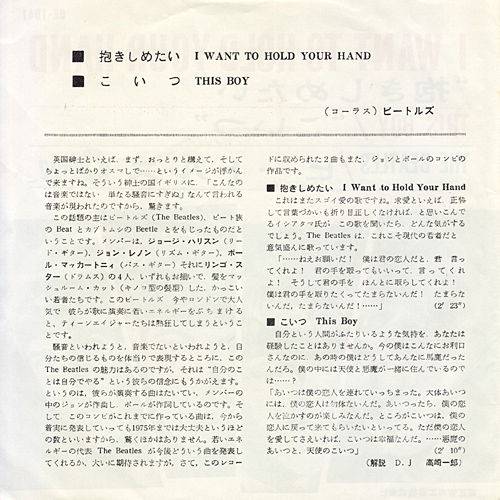
| Odeon logomark and catalog No. "OR-1041" were printed at the upper of the lyric sheet. | |||||
|
LYRIC SHEET: FRONT
CLOSE UP
|
LYRIC SHEET: INSIDE CLOSE UP | LYRIC SHEET: BACK CLOSE UP | |||
 |
 |
 |
|||
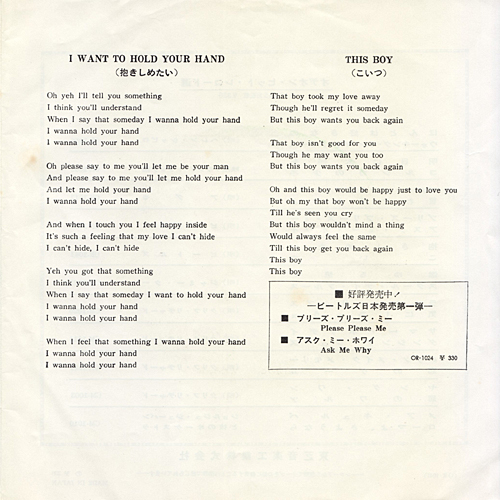
| The words "Toshiba Musical Industries Ltd." was printed at the bottom of the lyric sheet. | The first Beatles single in Japan, "Please Please Me/Ask Me Why" was introduced at the lyric sheet. (printed the price "¥330") | "MADE IN JAPAN" and "F-¥330" were printed at the bottom of the lyric sheet. | |||
| LYRIC SHEET: BACK CLOSE UP | |||||
 |
"The
Odeon Hit Records"
were
introduced at the back of the lyric sheet: from "OR-1006" to "CM-1010" (printed the price "¥330") |
||||
| LYRIC SHEET: BACK CLOSE UP | |||||
| #1-3 | |
On both issue, the words "Toshiba Musical Industries Ltd." was printed at the bottom of the lyric sheet. But #1-4 letters were printed with smaller and the space between letters are wide. | |||
| #1-4 (=this record) | 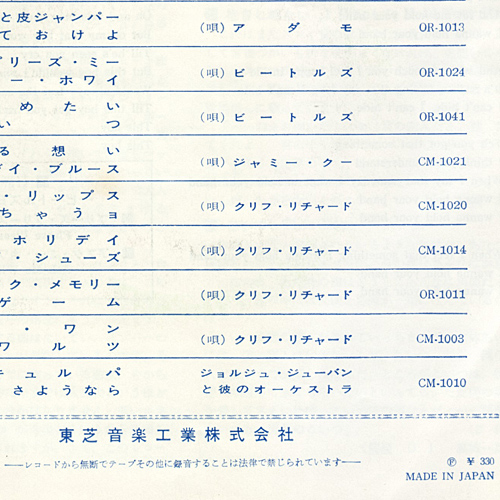 |
||||
| LABEL CLOSE UP | |||||
|
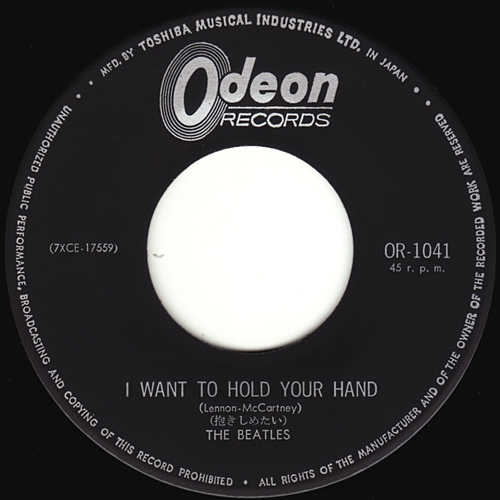
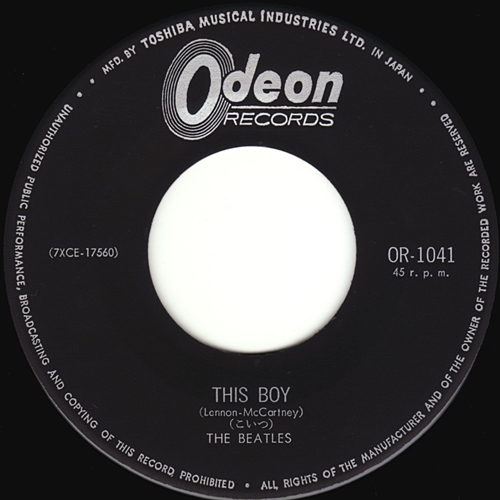
The words "MFD. BY TOSHIBA MUSICAL INDUSTRIES LTD. IN JAPAN" was printed at the perimeter. | ||||
|
OTHER ITEM
|
|||||
|
-
|
|||||
|
RECORD LABEL
|
Odeon type 1 | ||||
|
CATALOG NUMBER
|
OR-1041 | ||||
|
MATRIX NUMBER
|
SIDE 1
|
7XCE-17559 47 (?) | |||
|
SIDE 2
|
7XCE-17560 45 | ||||
|
PRESS MARK
|
4J -> K4 -> A5 T | ||||
|
VINYL COLOR
|
Black | ||||
| DISK EDGE | Knife Edge | ||||
|
LYRIC SHEET STYLE
|
Bifold | ||||
|
INNER SLEEVE TYPE
|
Toshiba Records Sleeve type 1 | ||||
|
MIX
|
Mono | ||||
|
RECORD COMPANY'S NAME
|
COVER
|
Toshiba Ongaku kogyo Kabusikigaisha | |||
|
LABEL
|
MFD. BY TOSHIBA MUSICAL INDUSTRIES LTD. IN JAPAN | ||||
|
SYMBOL/PRICE
|
F-330YEN | ||||
|
COMMENTS
|
Reissue of #1-2 with a
different
cover but with an identical record. "The Odeon Hit Records" were introduced at the back of the lyric sheet: from "OR-1006" to "CM-1010" The words "Toshiba Musical Industries Ltd." was printed at the bottom of the back of the lyric sheet. But #1-4 letters were printed with smaller and the space between letters are wide. |
||||
|
TRACK LISTING
|
SIDE 1
|
I Want To Hold Your Hand (Lennon-McCartney) | |||
|
SIDE 2
|
This Boy (Lennon-McCartney) | ||||
|
RELEASE DATE
|
June 1964?/ 4th Press | ||||
|
LYRIC SHEET (Bifold)
|
DISK -->Click! | ||||
 |
 |
 |
 |
 |
|
|
LYRIC SHEET: INSIDE
|
INNER SLEEVE
|
LYRIC SHEET: FRONT
CLOSE UP
|
|||
|
 |
|
|
|
|
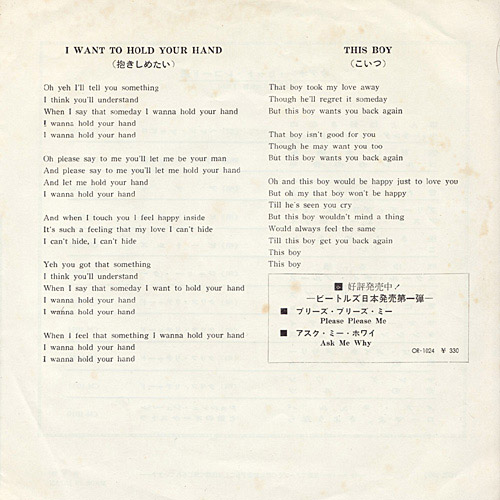
| Odeon logomark and catalog No. "OR-1041" were printed at the upper of the lyric sheet. | |||||
|
LYRIC SHEET: FRONT
CLOSE UP
|
LYRIC SHEET: INSIDE CLOSE UP | LYRIC SHEET: BACK CLOSE UP | |||
| |
 |
 |
|||
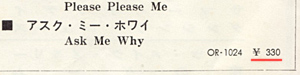
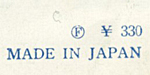
| The words "Toshiba Musical Industries Ltd." was printed at the bottom of the lyric sheet. | The first Beatles single in Japan, "Please Please Me/Ask Me Why" was introduced at the lyric sheet. (printed the price "¥330") | "MADE IN JAPAN" and "F-¥330" were printed at the bottom of the lyric sheet. | |||
| LYRIC SHEET: BACK CLOSE UP | |||||
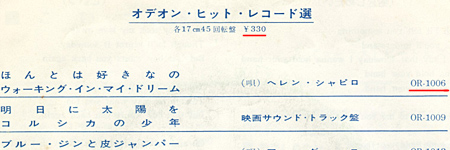 |
"The
Odeon Hit Records"
were
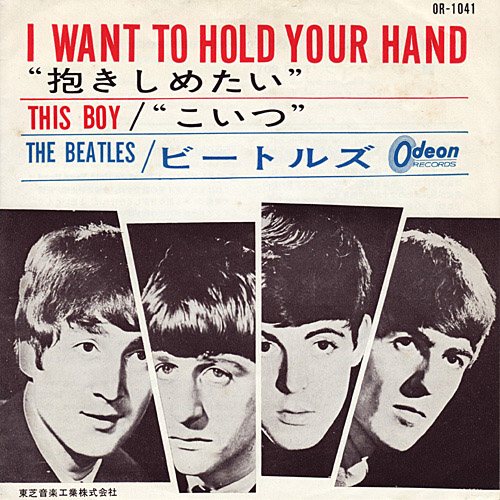
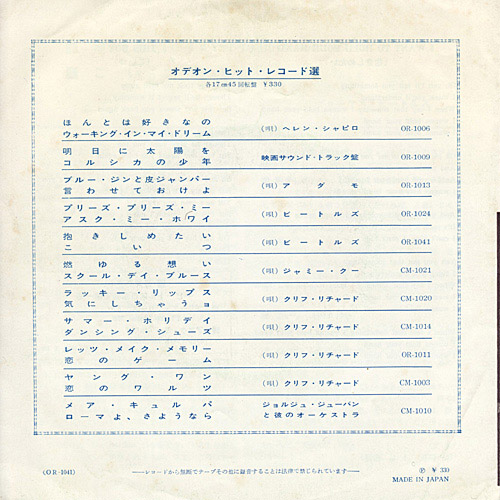
introduced at the back of the lyric sheet: from "OR-1006" to "CM-1010" (printed the price "¥330") |
||||
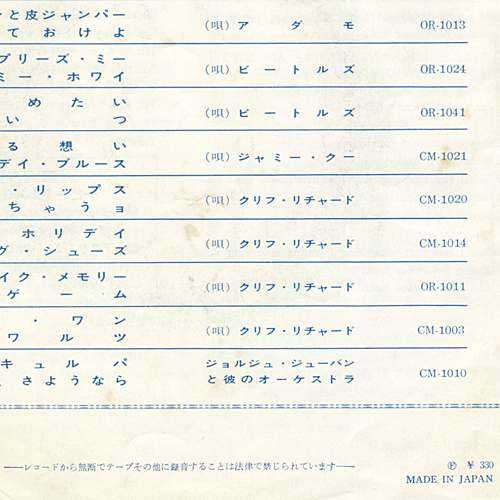 |
The words "Toshiba Musical Industries Ltd." was removed at the bottom of the lyric sheet. | ||||
| LABEL CLOSE UP | |||||
|
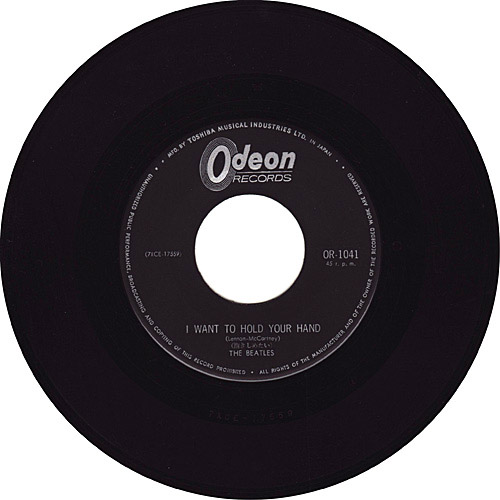
The words "MFD. BY TOSHIBA MUSICAL INDUSTRIES LTD. IN JAPAN" was printed at the perimeter. | ||||
|
OTHER ITEM
|
|||||
|
-
|
|||||
|
RECORD LABEL
|
Odeon type 1 | ||||
|
CATALOG NUMBER
|
OR-1041 | ||||
|
MATRIX NUMBER
|
SIDE 1
|
7XCE-17559 44 | |||
|
SIDE 2
|
7XCE-17560 9 | ||||
|
PRESS MARK
|
F4 | ||||
|
VINYL COLOR
|
Black | ||||
| DISK EDGE | Flat Edge | ||||
|
LYRIC SHEET STYLE
|
Bifold | ||||
|
INNER SLEEVE TYPE
|
Toshiba Records Sleeve type 1 | ||||
|
MIX
|
Mono | ||||
|
RECORD COMPANY'S NAME
|
COVER
|
Toshiba Ongaku kogyo Kabusikigaisha | |||
|
LABEL
|
MFD. BY TOSHIBA MUSICAL INDUSTRIES LTD. IN JAPAN | ||||
|
SYMBOL/PRICE
|
F-330YEN | ||||
|
COMMENTS
|
Reissue of #1-3 with a
different
cover but with an identical record. "The Odeon Hit Records" were introduced at the back of the lyric sheet: from "OR-1006" to "CM-1010" The words "Toshiba Musical Industries Ltd." was removed at the bottom of the back of the lyric sheet. |
||||
|
TRACK LISTING
|
SIDE 1
|
I Want To Hold Your Hand (Lennon-McCartney) | |||
|
SIDE 2
|
This Boy (Lennon-McCartney) | ||||
|
RELEASE DATE
|
September 1965?/5th. Press | ||||
|
LYRIC SHEET (Bifold)
|
SIDE 2 -->Click! | DISK -->Click! | |||
 |
 |
 |
 |
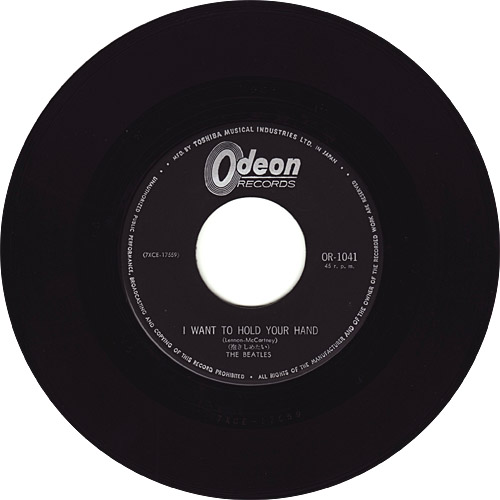 |
|
|
LYRIC SHEET: INSIDE
|
INNER SLEEVE
|
LYRIC SHEET: FRONT CLOSE UP | |||
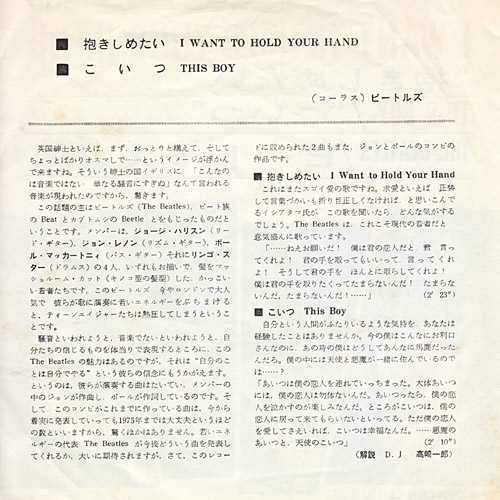 |
 |
|
 |
 |
|
| Odeon logomark was printed at the upper of the lyric sheet. | |||||
|
LYRIC SHEET: FRONT
CLOSE UP
|
LYRIC SHEET: INSIDE CLOSE UP | LYRIC SHEET: BACK CLOSE UP | |||
 |
 |
 |
|||
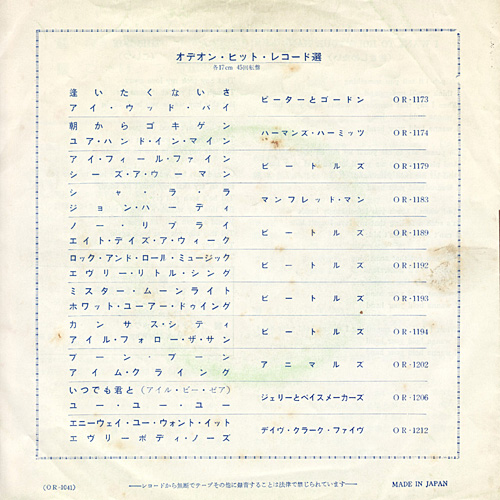
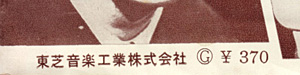
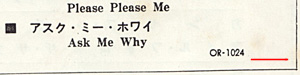
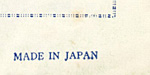
| The words "Toshiba Musical Industries Ltd." and "G ¥370" were printed at the bottom of the lyric sheet. | The first Beatles single in Japan, "Please Please Me/Ask Me Why", was introduced at the lyric sheet. (erased the price "¥330") | "MADE IN JAPAN" was printed at the bottom of the lyric sheet. | |||
| LYRIC SHEET: BACK CLOSE UP | |||||
 |
"The
Odeon Hit Records"
were
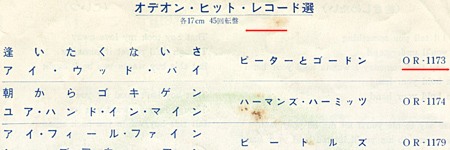
introduced at the back of the lyric sheet: from "OR-1173" to "OR-1212" (erased the price) |
||||
| LABEL CLOSE UP | |||||
|
The words "MFD. BY TOSHIBA MUSICAL INDUSTRIES LTD. IN JAPAN" was printed at the perimeter. | ||||
|
OTHER ITEM
|
|||||
|
-
|
|||||
|
RECORD LABEL
|
Odeon type 1 | ||||
|
CATALOG NUMBER
|
OR-1041 | ||||
|
MATRIX NUMBER
|
SIDE 1
|
7XCE-17559 58 | |||
|
SIDE 2
|
7XCE-17560 55 | ||||
|
PRESS MARK
|
-> J4 -> F5 -> J5 | ||||
|
VINYL COLOR
|
Black | ||||
| DISK EDGE | Flat Edge | ||||
|
LYRIC SHEET STYLE
|
Bifold | ||||
|
INNER SLEEVE TYPE
|
Toshiba Records Sleeve type 1 | ||||
|
MIX
|
Mono | ||||
|
RECORD COMPANY'S NAME
|
COVER
|
Toshiba Ongaku kogyo Kabusikigaisha | |||
|
LABEL
|
MFD. BY TOSHIBA MUSICAL INDUSTRIES LTD. IN JAPAN | ||||
|
SYMBOL/PRICE
|
F-330YEN | ||||
|
COMMENTS
|
Reissue of #1-5 with a
similar same
cover but back cover is different. "The Odeon Hit Records" were introduced at the back of the lyric sheet: from "OR-1173" to "CM-1212" |
||||
|
TRACK LISTING
|
SIDE 1
|
I Want To Hold Your Hand (Lennon-McCartney) | |||
|
SIDE 2
|
This Boy (Lennon-McCartney) | ||||
|
RELEASE DATE
|
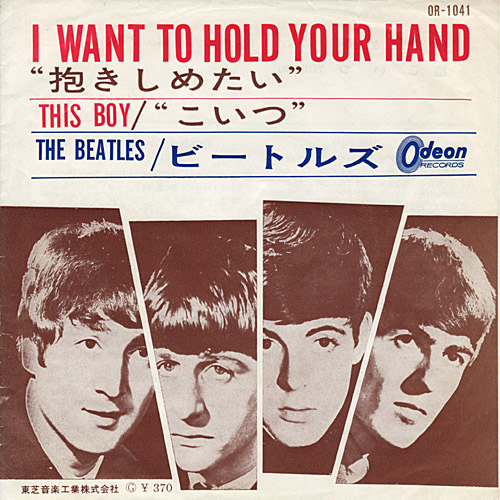
December 1966?/6th. Press | ||||
|
LYRIC SHEET (Bifold)
|
SIDE 2 -->Click! | DISK -->Click! | |||
 |
 |
 |
 |
 |
|
|
LYRIC SHEET: INSIDE
|
INNER SLEEVE
|
LYRIC SHEET: FRONT CLOSE UP | |||
 |
 |
|
 |
 |
|
| Odeon logomark was printed at the upper of the lyric sheet. | |||||
|
LYRIC SHEET: FRONT
CLOSE UP
|
LYRIC SHEET: INSIDE CLOSE UP | LYRIC SHEET: BACK CLOSE UP | |||
 |
 |
 |
|||
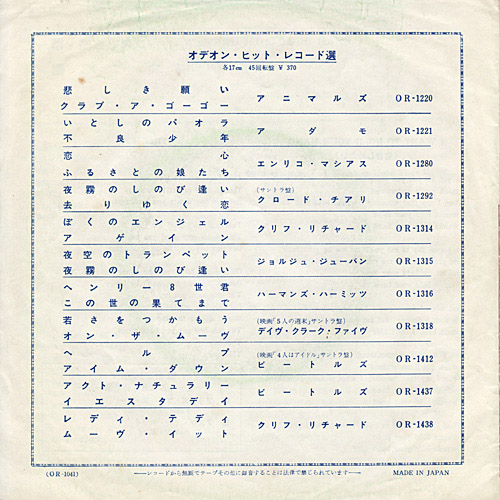
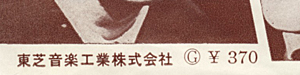
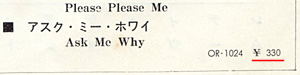
| The words "Toshiba Musical Industries Ltd." and "G ¥370" were printed at the bottom of the lyric sheet. | The first Beatles single in Japan, "Please Please Me/Ask Me Why", was introduced at the lyric sheet. (printed the price "¥330" again) | "MADE IN JAPAN" was printed at the bottom of the lyric sheet. | |||
| LYRIC SHEET: BACK CLOSE UP | |||||
 |
"The
Odeon Hit Records"
were
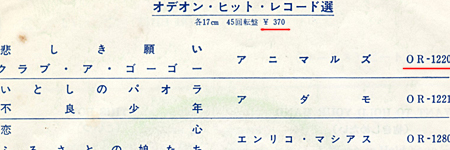
introduced at the back of the lyric sheet: from "OR-1220" to "OR-1438" (printed the price "¥370") |
||||
| LABEL CLOSE UP | |||||
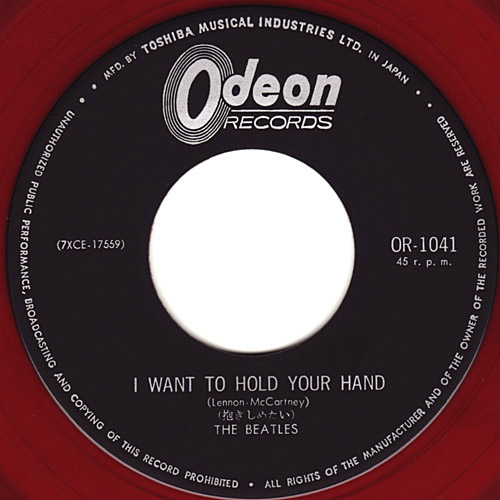
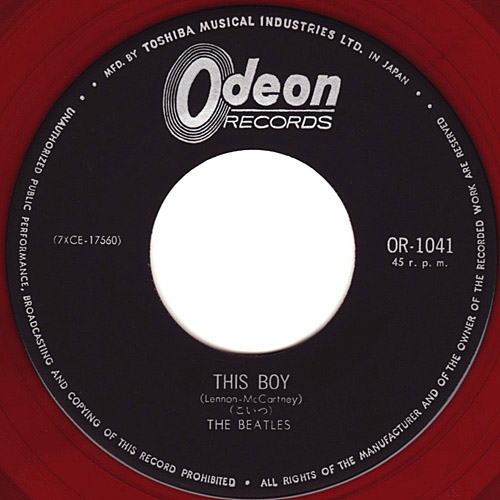
|
The words "MFD. BY TOSHIBA MUSICAL INDUSTRIES LTD. IN JAPAN" was printed at the perimeter. | ||||
|
OTHER ITEM
|
|||||
|
-
|
|||||
|
RECORD LABEL
|
Odeon type 1 | ||||
|
CATALOG NUMBER
|
OR-1041 | ||||
|
MATRIX NUMBER
|
SIDE 1
|
7XCE-17559 - 2 1 | |||
|
SIDE 2
|
7XCE-17560 57 | ||||
|
PRESS MARK
|
6M | ||||
|
VINYL COLOR
|
Red | ||||
| DISK EDGE | Flat Edge | ||||
|
LYRIC SHEET STYLE
|
Bifold | ||||
|
INNER SLEEVE TYPE
|
Toshiba Records Sleeve type 1 | ||||
|
MIX
|
Mono | ||||
|
RECORD COMPANY'S NAME
|
COVER
|
Toshiba Ongaku kogyo Kabusikigaisha | |||
|
LABEL
|
MFD. BY TOSHIBA MUSICAL INDUSTRIES LTD. IN JAPAN | ||||
|
SYMBOL/PRICE
|
G-370YEN | ||||
|
COMMENTS
|
Reissue of #1-6 with a
similar same
cover but back cover is different. "The Odeon Hit Records" were introduced at the back of the lyric sheet: from "OR-1220" to "OR-1438" (printed the price "¥370") |
||||
|
TRACK LISTING
|
SIDE 1
|
I Want To Hold Your Hand (Lennon-McCartney) | |||
|
SIDE 2
|
This Boy (Lennon-McCartney) | ||||
|
RELEASE DATE
|
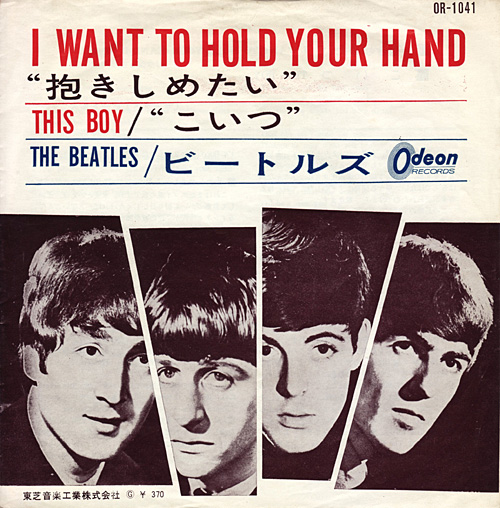
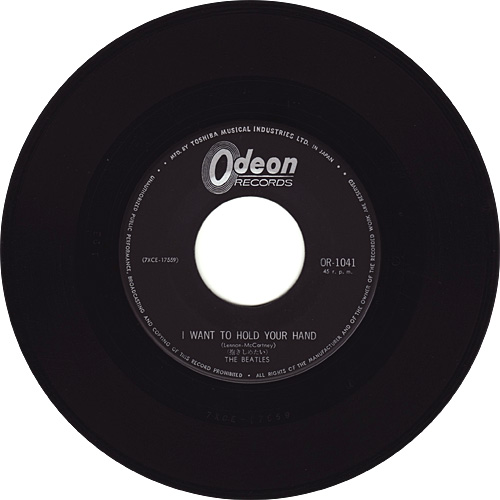
1966?/7th. Press | ||||
|
LYRIC SHEET (Bifold)
|
SIDE 2 -->Click! | DISK -->Click! | |||
 |
 |
 |
 |
 |
|
|
LYRIC SHEET: INSIDE
|
INNER SLEEVE
|
LYRIC SHEET: FRONT CLOSE UP | |||
 |
 |
|
 |
 |
|
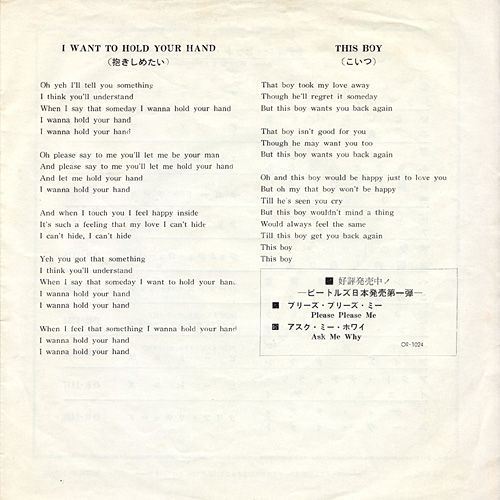
| Odeon logomark was printed at the upper of the lyric sheet. | |||||
|
LYRIC SHEET: FRONT
CLOSE UP
|
LYRIC SHEET: INSIDE CLOSE UP | LYRIC SHEET: BACK CLOSE UP | |||
 |
 |
 |
|||
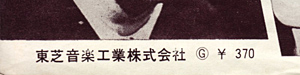
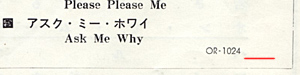
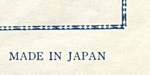
| The words "Toshiba Musical Industries Ltd." and "G ¥370 (different printing type from type-2)" were printed at the bottom of the lyric sheet. | The first Beatles single in Japan, "Please Please Me/Ask Me Why", was introduced at the lyric sheet. (erased the price "¥330" again) | "MADE IN JAPAN" was printed at the bottom of the lyric sheet. | |||
| LYRIC SHEET: BACK CLOSE UP | |||||
 |
"The
Odeon Hit Records"
were
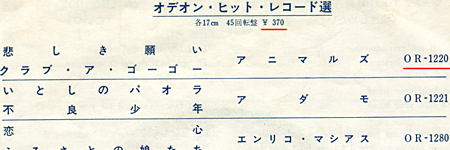
introduced at the back of the lyric sheet: from "OR-1220" to "OR-1438" (printed the price "¥370") |
||||
| LABEL CLOSE UP | |||||
|
The words "MFD. BY TOSHIBA MUSICAL INDUSTRIES LTD. IN JAPAN" was printed at the perimeter. | ||||
|
OTHER ITEM
|
|||||
|
-
|
|||||
|
RECORD LABEL
|
Odeon type 1 | ||||
|
CATALOG NUMBER
|
OR-1041 | ||||
|
MATRIX NUMBER
|
SIDE 1
|
7XCE-17559 41 | |||
|
SIDE 2
|
7XCE-17560 34 | ||||
|
PRESS MARK
|
D4 -> E4 -> E6T | ||||
|
VINYL COLOR
|
Black | ||||
| DISK EDGE | Knife Edge | ||||
|
LYRIC SHEET STYLE
|
Bifold | ||||
|
INNER SLEEVE TYPE
|
Toshiba Records Sleeve type 1 | ||||
|
MIX
|
Mono | ||||
|
RECORD COMPANY'S NAME
|
COVER
|
Toshiba Ongaku kogyo Kabusikigaisha | |||
|
LABEL
|
MFD. BY TOSHIBA MUSICAL INDUSTRIES LTD. IN JAPAN | ||||
|
SYMBOL/PRICE
|
G-370YEN | ||||
|
COMMENTS
|
Reissue of #1-7 with a
similar same
cover but back cover is different. "The Odeon Hit Records" were introduced at the back of the lyric sheet: from "OR-1220" to "OR-1438" (printed the price "¥370") |
||||
|
TRACK LISTING
|
SIDE 1
|
I Want To Hold Your Hand (Lennon-McCartney) | |||
|
SIDE 2
|
This Boy (Lennon-McCartney) | ||||
|
RELEASE DATE
|
September 1967?/8th. Press | ||||
|
LYRIC SHEET (Bifold)
|
SIDE 2 -->Click! | DISK -->Click! | |||
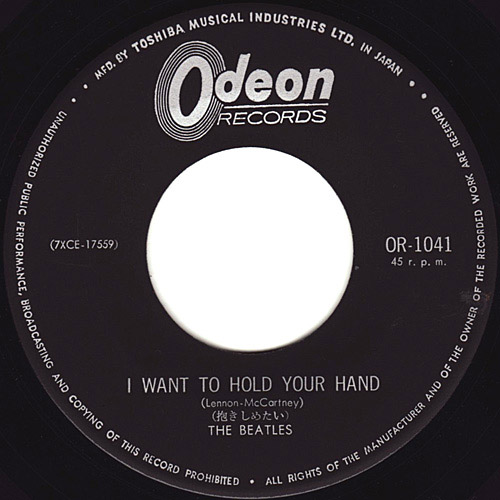
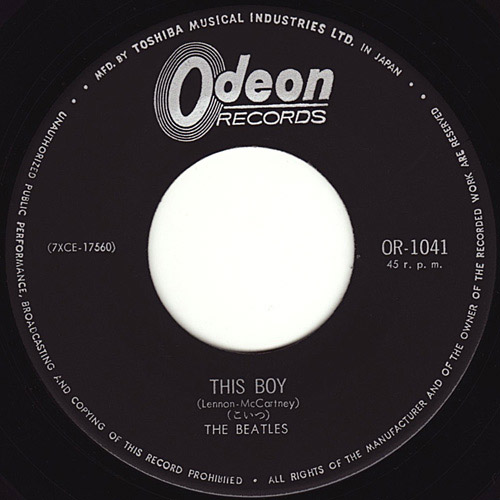
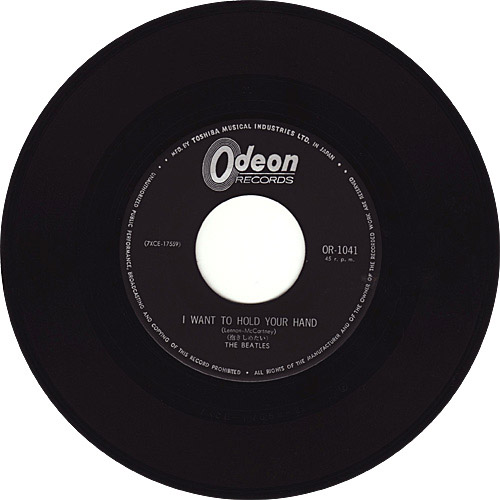
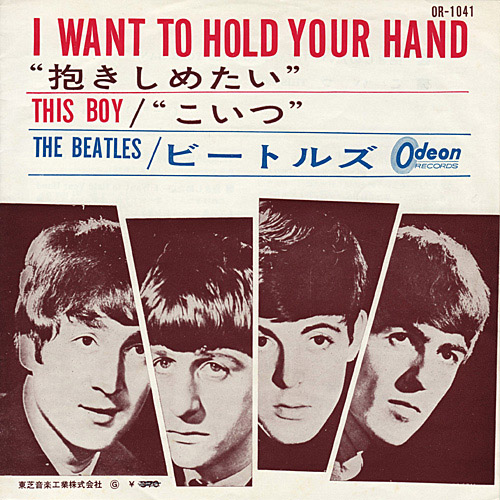 |
 |
 |
 |
 |
|
|
LYRIC SHEET: INSIDE
|
INNER SLEEVE
|
LYRIC SHEET: FRONT
CLOSE UP
|
|||
 |
 |
|
 |
 |
|
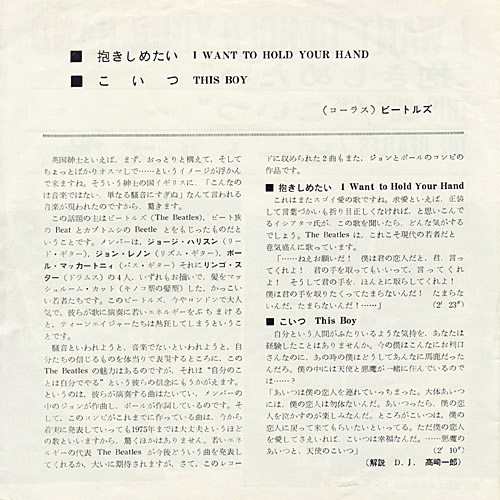
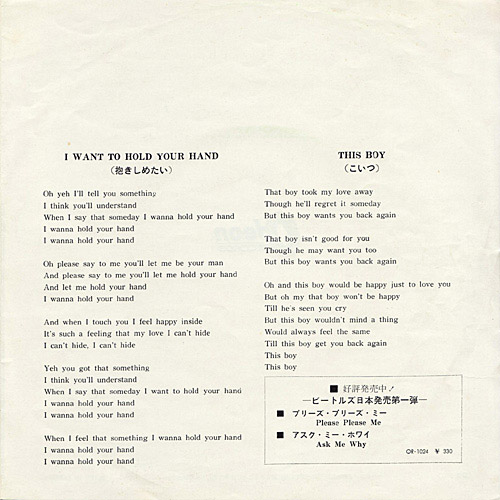
| Odeon logomark and catalog no. were printed at the upper of the lyric sheet. | |||||
|
LYRIC SHEET: FRONT
CLOSE UP
|
LYRIC SHEET: INSIDE CLOSE UP | LYRIC SHEET: BACK CLOSE UP | |||
 |
 |
 |
|||
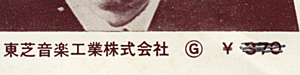
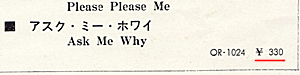
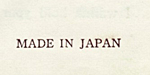
| The words "Toshiba Musical Industries Ltd." and "G ¥370 (different printing type from type-3)" were printed at the bottom of the lyric sheet. | The first Beatles single in Japan, "Please Please Me/Ask Me Why", was introduced at the lyric sheet. (added the price "¥330" again) | "MADE IN JAPAN" was printed at the bottom of the lyric sheet. | |||
| LYRIC SHEET: BACK CLOSE UP | |||||
 |
Odeon logomark was printed at the center of the back cover. |
||||
| LABEL CLOSE UP | |||||
|
The words "MFD. BY TOSHIBA MUSICAL INDUSTRIES LTD. IN JAPAN" was printed at the perimeter. | ||||
|
OTHER ITEM
|
|||||
|
-
|
|||||
|
RECORD LABEL
|
Odeon type 1 | ||||
|
CATALOG NUMBER
|
OR-1041 | ||||
|
MATRIX NUMBER
|
SIDE 1
|
7XCE-17559 - 2 4 | |||
|
SIDE 2
|
7XCE-17560 60 | ||||
|
PRESS MARK
|
7J -> 7L | ||||
|
VINYL COLOR
|
Black | ||||
| DISK EDGE | Knife Edge | ||||
|
LYRIC SHEET STYLE
|
Bifold | ||||
|
INNER SLEEVE TYPE
|
Toshiba Records Sleeve type 1 | ||||
|
MIX
|
Mono | ||||
|
RECORD COMPANY'S NAME
|
COVER
|
Toshiba Ongaku kogyo Kabusikigaisha | |||
|
LABEL
|
MFD. BY TOSHIBA MUSICAL INDUSTRIES LTD. IN JAPAN | ||||
|
SYMBOL/PRICE
|
G-370YEN | ||||
|
COMMENTS
|
Reissue of #1-8 with a similar same cover but back cover is different. Odeon logomark was printed at the center of the back of the lyric sheet. | ||||
|
TRACK LISTING
|
SIDE 1
|
I Want To Hold Your Hand (Lennon-McCartney) | |||
|
SIDE 2
|
This Boy (Lennon-McCartney) | ||||
|
RELEASE DATE
|
July 1968?/9th. Press | ||||
|
LYRIC SHEET (Bifold)
|
SIDE 2 -->Click! | DISK -->Click! | |||
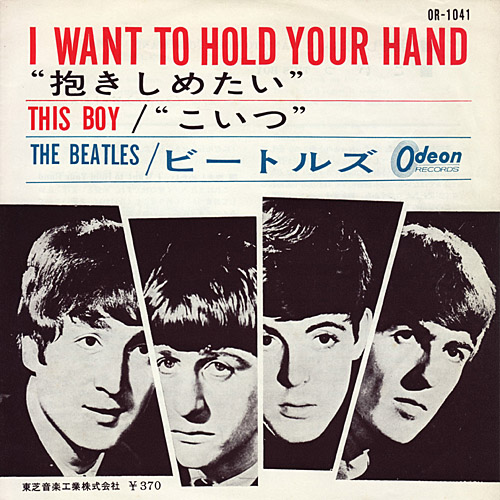 |
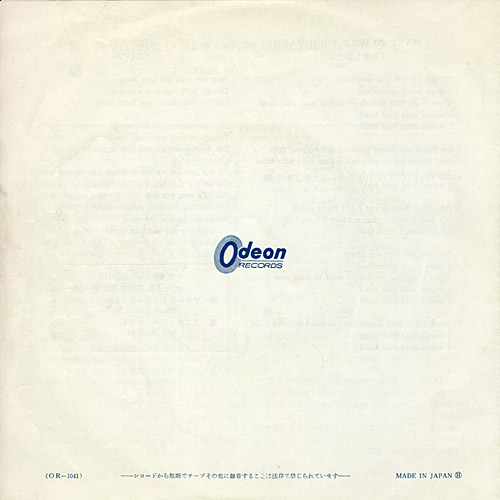 |
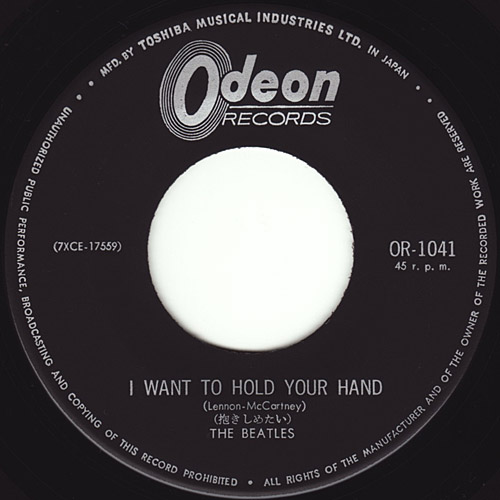 |
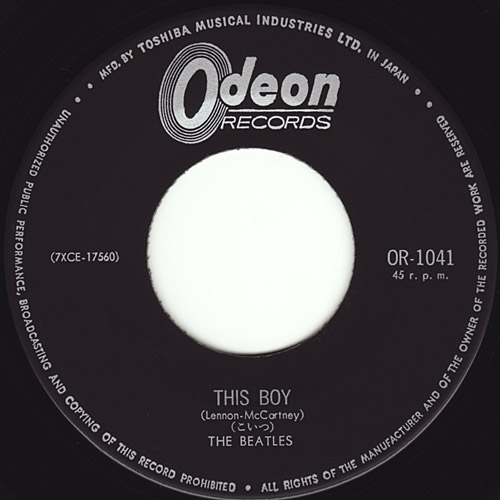 |
 |
|
|
LYRIC SHEET: INSIDE
|
INNER SLEEVE
|
LYRIC SHEET: FRONT
CLOSE UP
|
|||
 |
 |
|
 |
 |
|
| Odeon logomark and catalog no. were printed at the upper of the lyric sheet. | |||||
|
LYRIC SHEET: FRONT
CLOSE UP
|
LYRIC SHEET: INSIDE CLOSE UP | LYRIC SHEET: BACK CLOSE UP | |||
 |
 |
 |
|||
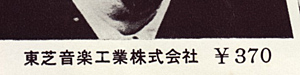
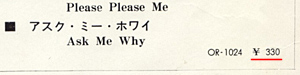
| The words "Toshiba Musical Industries Ltd." and "¥370" were printed at the bottom of the lyric sheet. | The first Beatles single in Japan, "Please Please Me/Ask Me Why", was introduced at the lyric sheet. (added the price "¥330" again) | "MADE IN JAPAN" and "H" were printed at the bottom of the lyric sheet. | |||
| LYRIC SHEET: BACK CLOSE UP | |||||
 |
Odeon logomark was printed at the center of the back cover. | ||||
| LABEL CLOSE UP | |||||
|
The words "MFD. BY TOSHIBA MUSICAL INDUSTRIES LTD. IN JAPAN" was printed at the perimeter. | ||||
|
OTHER ITEM
|
|||||
|
-
|
|||||
|
RECORD LABEL
|
Odeon type 1 | ||||
|
CATALOG NUMBER
|
OR-1041 | ||||
|
MATRIX NUMBER
|
SIDE 1
|
7XCE-17559 - 2 3 | |||
|
SIDE 2
|
7XCE-17560 60 | ||||
|
PRESS MARK
|
6M -> G8 | ||||
|
VINYL COLOR
|
Black | ||||
| DISK EDGE | Groove Guard | ||||
|
LYRIC SHEET STYLE
|
Bifold | ||||
|
INNER SLEEVE TYPE
|
Toshiba Records Sleeve type 1 | ||||
|
MIX
|
Mono | ||||
|
RECORD COMPANY'S NAME
|
COVER
|
Toshiba Ongaku kogyo Kabusikigaisha | |||
|
LABEL
|
MFD. BY TOSHIBA MUSICAL INDUSTRIES LTD. IN JAPAN | ||||
|
SYMBOL/PRICE
|
H-370YEN | ||||
|
COMMENTS
|
Reissue of #1-9 with a
similar same
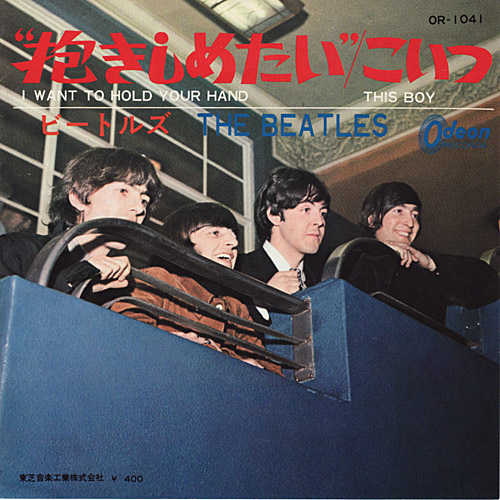
cover. The words "Toshiba Musical Industries Ltd." and "¥370" were printed at the bottom of the front cover. "MADE IN JAPAN" and "H" were printed at the bottom of the back cover. |
||||
|
TRACK LISTING
|
SIDE 1
|
I Want To Hold Your Hand (Lennon-McCartney) | |||
|
SIDE 2
|
This Boy (Lennon-McCartney) | ||||
|
RELEASE DATE
|
January 1969?/10th.Press | ||||
|
LYRIC SHEET (Bifold)
|
DISK -->Click! | ||||
 |
 |
|
|
 |
|
|
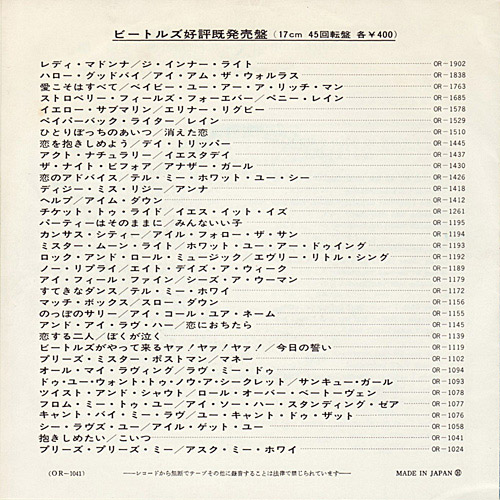
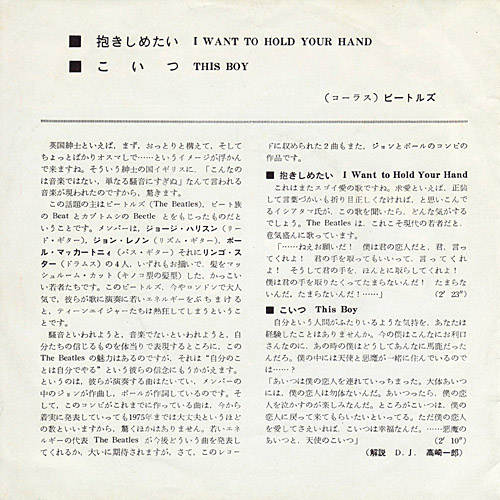
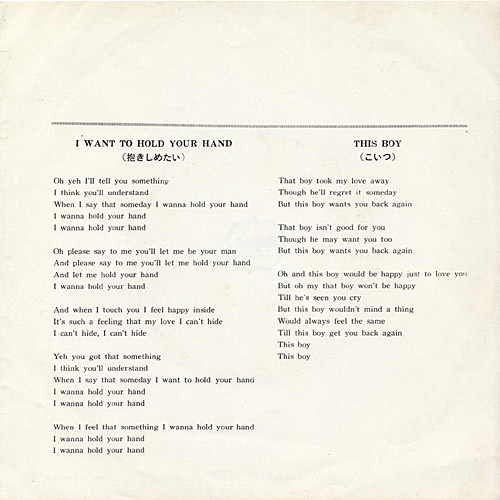
LYRIC SHEET: INSIDE
|
INNER SLEEVE
|
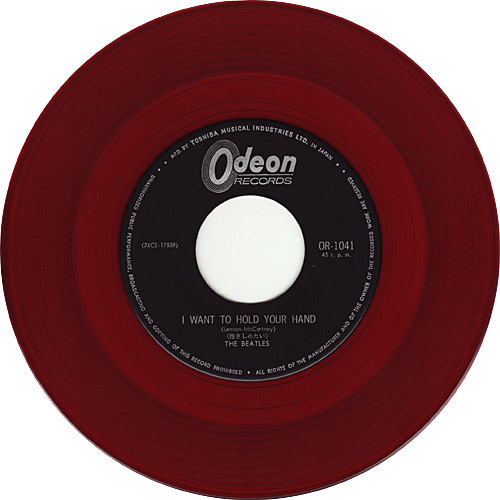
LABEL CLOSE UP
|
|||
 |
 |
 |
|
||
|
The words "MFD. BY TOSHIBA MUSICAL INDUSTRIES
LTD. IN JAPAN" was printed at the perimeter.
|
|||||
|
LYRIC SHEET: FRONT
CLOSE UP
|
|||||
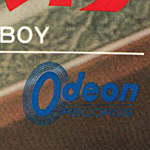 |
Odeon logomark was printed at the upper right corner of the lyric sheet. | 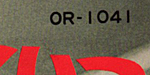 |
 |
||
| Catalog No. "OR-1041" was printed at the top of the lyric sheet. |
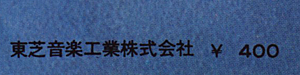
The words "Toshiba Musical Industries Ltd."
and "¥400" were printed at the bottom of the lyric sheet.
|
||||
| LYRIC SHEET: BACK CLOSE UP | |||||
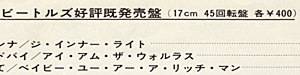 |
"The Beatles' Single Records in Japan" were introduced at the back of the lyric sheet. |  |
"MADE IN JAPAN" and "H" were printed at the bottom of the lyric sheet. | ||
|
OTHER ITEM
|
|||||
|
-
|
|||||
|
RECORD LABEL
|
Odeon type 1 | ||||
|
CATALOG NUMBER
|
OR-1041 | ||||
|
MATRIX NUMBER
|
SIDE 1
|
7XCE-17559-2 5 | |||
|
SIDE 2
|
7XCE-17560 61 | ||||
|
PRESS MARK
|
9A | ||||
|
VINYL COLOR
|
Red | ||||
| DISK EDGE | Groove Guard | ||||
|
LYRIC SHEET STYLE
|
Bifold | ||||
|
INNER SLEEVE TYPE
|
Toshiba Records Sleeve type 2-2 (added Apple logo type) | ||||
|
MIX
|
Mono | ||||
|
RECORD COMPANY'S NAME
|
COVER
|
Toshiba Ongaku kogyo Kabusikigaisha | |||
|
LABEL
|
MFD. BY TOSHIBA MUSICAL INDUSTRIES LTD. IN JAPAN | ||||
|
SYMBOL/PRICE
|
H-400YEN | ||||
|
COMMENTS
|
Reissue of #1-10 with a
different
cover but with an identical record. "The Beatles' Single Records in Japan" were introduced at the back of the lyric sheet. |
||||
|
TRACK LISTING
|
SIDE 1
|
I Want To Hold Your Hand (Lennon-McCartney) | |||
|
SIDE 2
|
This Boy (Lennon-McCartney) | ||||
|
RELEASE DATE
|
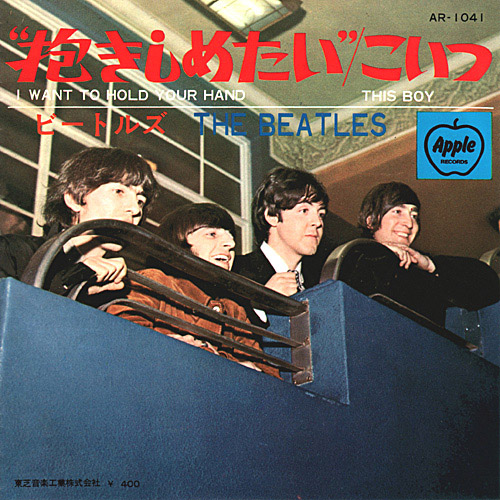
November 1970?/11th. Press | ||||
|
LYRIC SHEET (Bifold)
|
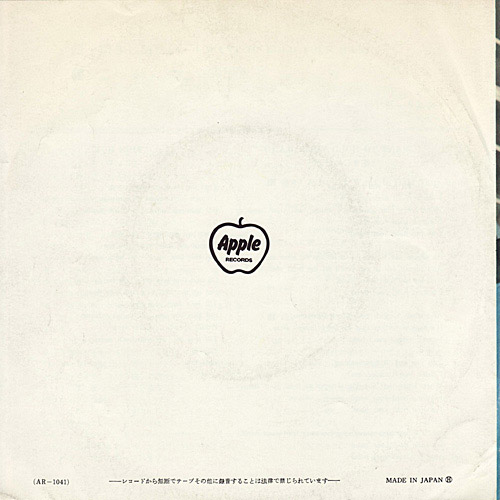
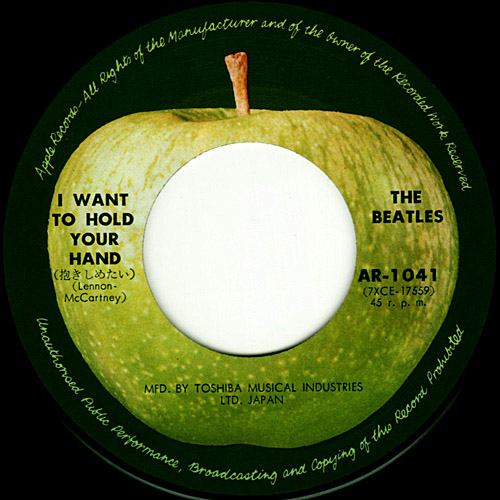
SIDE 2 -->Click! | DISK -->Click! | |||
 |
 |
 |
 |
 |
|
|
LYRIC SHEET: INSIDE
|
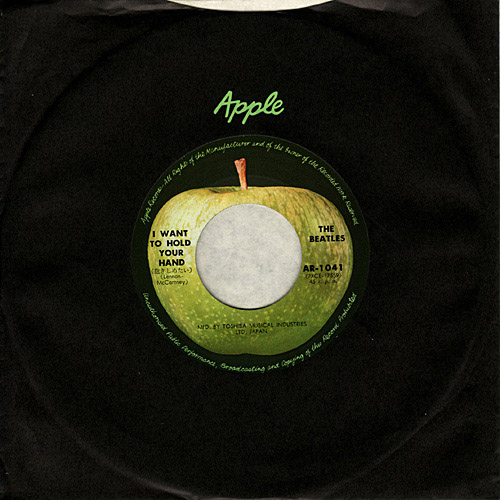
INNER SLEEVE
|
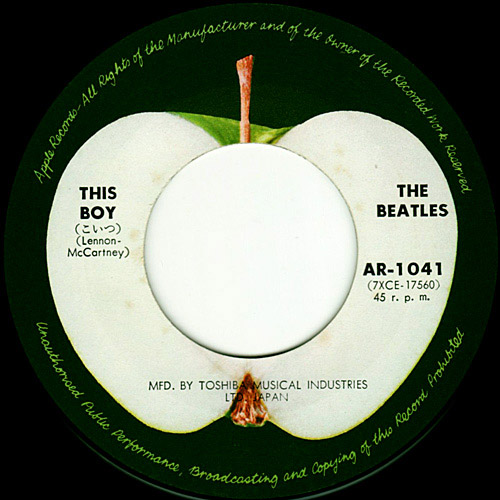
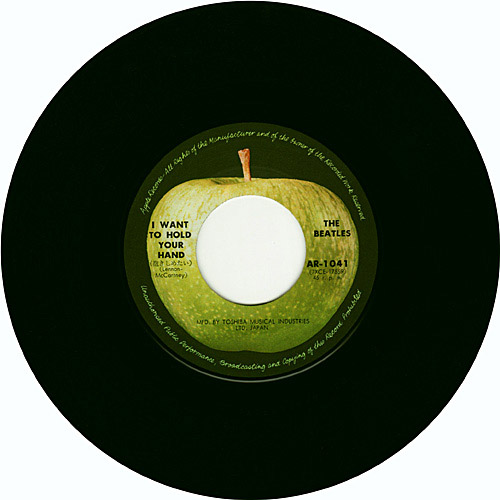
LABEL CLOSE UP
|
|||
|
|
 |
 |
||
|
The words "MFD. BY TOSHIBA MUSICAL INDUSTRIES
LTD. JAPAN" was printed at the bottom of the label.
|
|||||
|
LYRIC SHEET: FRONT
CLOSE UP
|
LYRIC SHEET: BACK CLOSE UP | ||||
 |
 |
 |
 |
||
|
Apple logomark was printed at the top of the
lyric sheet.
|
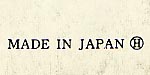
Apple releases carry AR prefixes instead of OR. | The words "Toshiba Musical Industries Ltd." was printed at the bottom of the lyric sheet. | "MADE IN JAPAN.", "H", and "¥400" were printed at the lyric sheet. | ||
|
OTHER ITEM
|
|||||
|
-
|
|||||
|
RECORD LABEL
|
Apple type 1-A | ||||
|
CATALOG NUMBER
|
AR-1041 | ||||
|
MATRIX NUMBER
|
SIDE 1
|
7XCE-17559 2S 2 | |||
|
SIDE 2
|
7XCE-17560 2S 2 | ||||
|
PRESS MARK
|
0H -> 0L | ||||
|
VINYL COLOR
|
Black | ||||
| DISK EDGE | Groove Guard | ||||
|
LYRIC SHEET STYLE
|
Bifold | ||||
|
INNER SLEEVE TYPE
|
Apple Black Sleeve | ||||
|
MIX
|
Mono | ||||
|
RECORD COMPANY'S NAME
|
COVER
|
Toshiba Ongaku kogyo Kabusikigaisha | |||
|
LABEL
|
MFD. BY TOSHIBA MUSICAL INDUSTRIES LTD. JAPAN |
||||
|
SYMBOL/PRICE
|
H-400YEN | ||||
|
COMMENTS
|
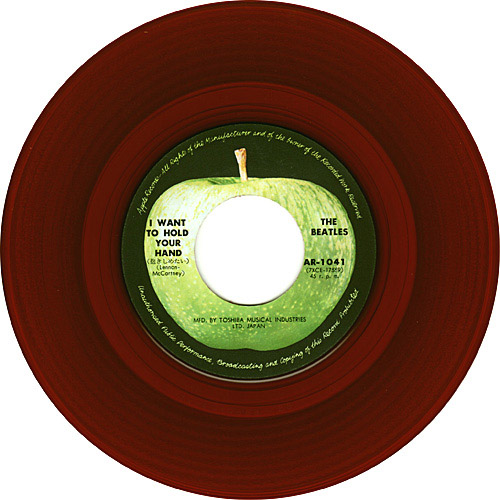
Reissue of #1-11. When the catalog switched to Apple, Japan also began pressing Apple label reissues of the earlier singles, in both red and black vinyl, using the same catalog numbers. Apple releases carry AR prefixes instead of OR. Dark Green Apple label. |
||||
|
TRACK LISTING
|
SIDE 1
|
I Want To Hold Your Hand (Lennon-McCartney) | |||
|
SIDE 2
|
This Boy (Lennon-McCartney) | ||||
|
RELEASE DATE
|
December 1971? | ||||
|
LYRIC SHEET (Bifold)
|
SIDE 2 -->Click! | DISK -->Click! | |||
|
|
 |
 |
 |
|
|
LYRIC SHEET: INSIDE
|
INNER SLEEVE
|
LABEL CLOSE UP
|
|||
|
|
 |
 |
||
|
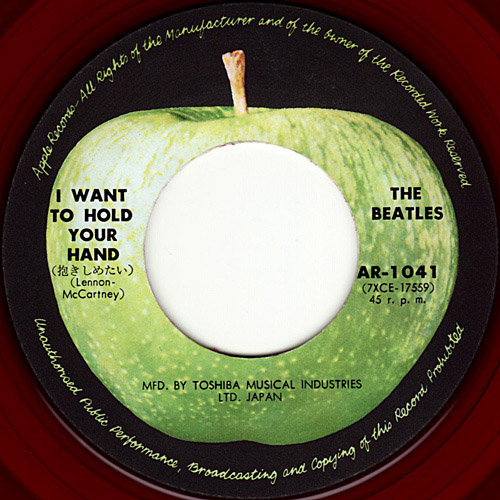
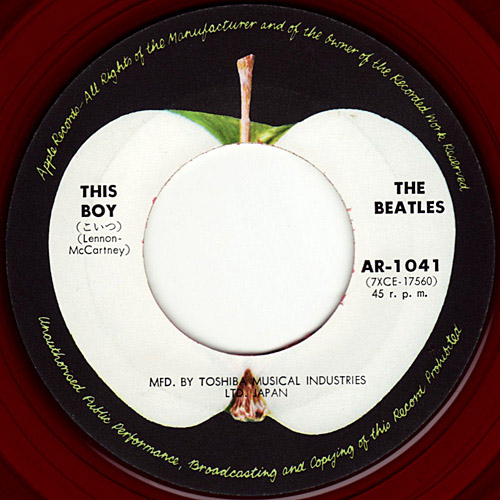
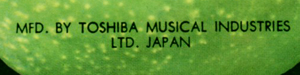
The words "MFD. BY TOSHIBA MUSICAL INDUSTRIES
LTD. JAPAN" was printed at the bottom of the label.
|
|||||
|
LYRIC SHEET: FRONT
CLOSE UP
|
LYRIC SHEET: BACK CLOSE UP | ||||
|
|
|
|
||
|
Apple logomark was printed at the top of the
lyric sheet.
|
Apple releases carry AR prefixes instead of OR. | The words "Toshiba Musical Industries Ltd." was printed at the bottom of the lyric sheet. | "MADE IN JAPAN.", "H", and "¥400" were printed at the lyric sheet. | ||
|
OTHER ITEM
|
|||||
|
-
|
|||||
|
RECORD LABEL
|
Apple type 2-1-A | ||||
|
CATALOG NUMBER
|
AR-1041 | ||||
|
MATRIX NUMBER
|
SIDE 1
|
7XCE-17559 2S 7 | |||
|
SIDE 2
|
7XCE-17560 2S 7 | ||||
|
PRESS MARK
|
1M | ||||
|
VINYL COLOR
|
Red | ||||
| DISK EDGE | Groove Guard | ||||
|
LYRIC SHEET STYLE
|
Bifold | ||||
|
INNER SLEEVE TYPE
|
Apple Black Sleeve | ||||
|
MIX
|
Mono | ||||
|
RECORD COMPANY'S NAME
|
COVER
|
Toshiba Ongaku kogyo Kabusikigaisha | |||
|
LABEL
|
MFD. BY TOSHIBA MUSICAL INDUSTRIES LTD. JAPAN |
||||
|
SYMBOL/PRICE
|
H-400YEN | ||||
|
COMMENTS
|
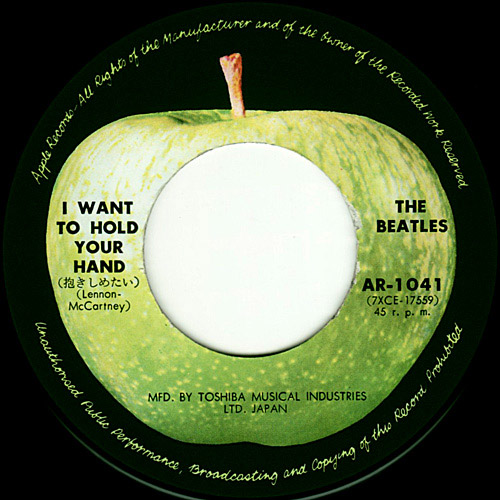
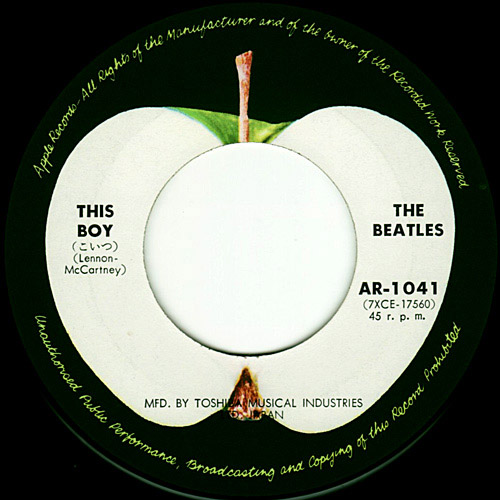
Reissue of #1-12. Light Green Apple label. In 1969, Toshiba had to reissue on the Apple label all the records previously issued on the Odeon label. And in the Apple label, there are two subtypes, TOSHIBA MUSICAL INDUSTRIES and TOSHIBA EMI. Further more, the early copies of the APPLE-TOSHIBA MUSICAL INDUSTRIES type have dark Apple on its label, though the late copies have light one. This single was manufactured two ways: both Black and Red vinyl. |
||||
|
TRACK LISTING
|
SIDE 1
|
I Want To Hold Your Hand (Lennon-McCartney) | |||
|
SIDE 2
|
This Boy (Lennon-McCartney) | ||||
|
RELEASE DATE
|
October 1972? | ||||
|
LYRIC SHEET (Bifold)
|
SIDE 2 -->Click! | DISK -->Click! | |||
 |
|
 |
 |
 |
|
|
LYRIC SHEET: INSIDE
|
INNER SLEEVE
|
LABEL CLOSE UP
|
|||
|
|
|
|
||
|
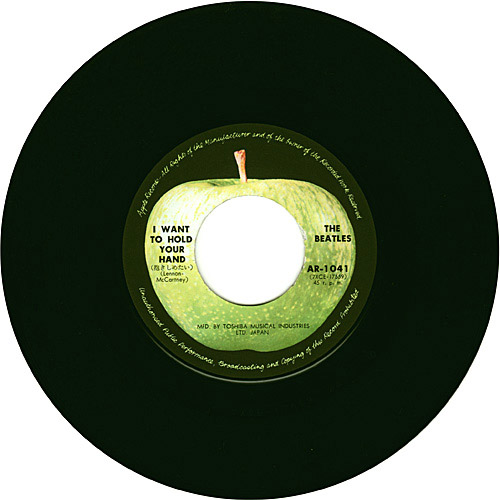
The words "MFD. BY TOSHIBA MUSICAL INDUSTRIES
LTD. JAPAN" was printed at the bottom of the label.
|
|||||
|
LYRIC SHEET: FRONT
CLOSE UP
|
LYRIC SHEET: BACK CLOSE UP | ||||
|
|
 |
|
||
|
Apple logomark and catalog No. "AR-1041" were
printed at the top of the
lyric sheet.
|
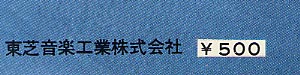
The words "Toshiba Musical Industries Ltd." was printed at the bottom of the lyric sheet. | "MADE IN JAPAN.", "H", and "¥500" were printed at the lyric sheet. | |||
|
OTHER ITEM
|
|||||
|
-
|
|||||
|
RECORD LABEL
|
Apple type 2-1-A | ||||
|
CATALOG NUMBER
|
AR-1041 | ||||
| MATRIX NUMBER | SIDE 1 | 7XCE-17559 2S 2 | |||
| SIDE 2 | 7XCE-17560 2S 2 | ||||
| PRESS MARK | 2G -> 2K | ||||
|
VINYL COLOR
|
Black | ||||
| DISK EDGE | Groove Guard | ||||
|
LYRIC SHEET STYLE
|
Bifold | ||||
|
INNER SLEEVE TYPE
|
Apple Black Sleeve | ||||
|
MIX
|
Mono | ||||
|
RECORD COMPANY'S NAME
|
COVER | Toshiba Ongaku kogyo Kabusikigaisha | |||
| LABEL | MFD. BY TOSHIBA MUSICAL INDUSTRIES LTD. JAPAN |
||||
|
SYMBOL/PRICE
|
H-500YEN | ||||
|
COMMENTS
|
Reissue of #1-13. Light Green Apple label. In 1969, Toshiba had to reissue on the Apple label all the records previously issued on the Odeon label. And in the Apple label, there are two subtypes, TOSHIBA MUSICAL INDUSTRIES and TOSHIBA EMI. Further more, the early copies of the APPLE-TOSHIBA MUSICAL INDUSTRIES type have dark Apple on its label, though the late copies have light one. This single was manufactured two ways: both Black and Red vinyl. |
||||
|
TRACK LISTING
|
SIDE 1
|
I Want To Hold Your Hand (Lennon-McCartney) | |||
|
SIDE 2
|
This Boy (Lennon-McCartney) | ||||
|
RELEASE DATE
|
January 1974? / 14th. Press |
||||
|
LYRIC SHEET (Bifold)
|
SIDE 2 -->Click! | DISK -->Click! | |||
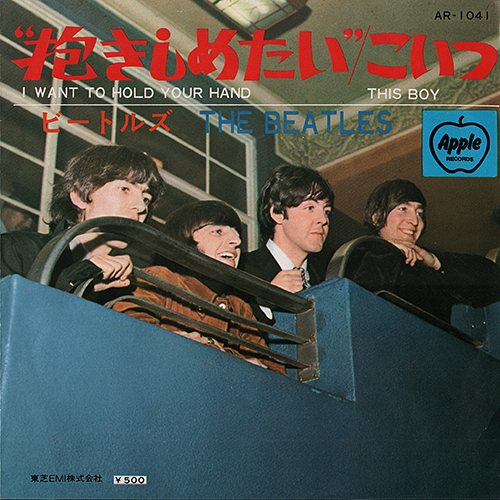 |
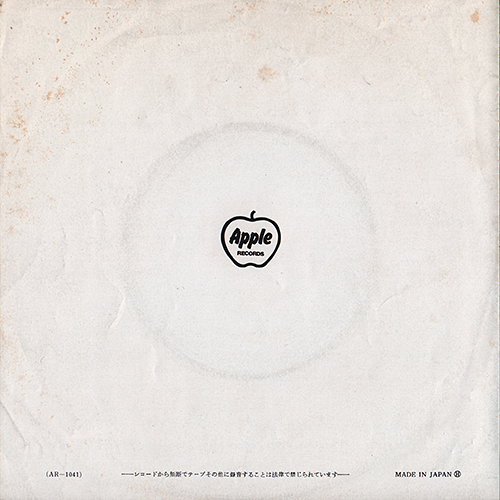 |
 |
 |
 |
|
|
LYRIC SHEET: INSIDE
|
INNER SLEEVE
|
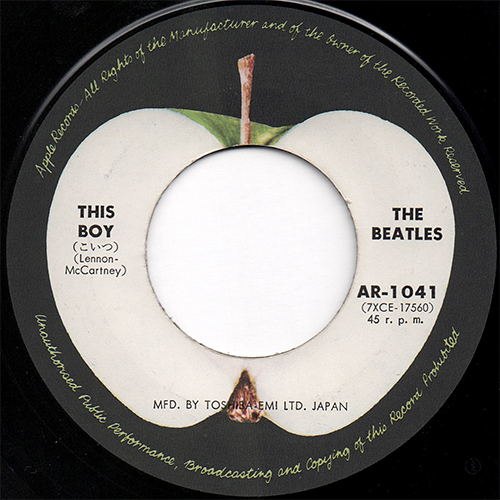
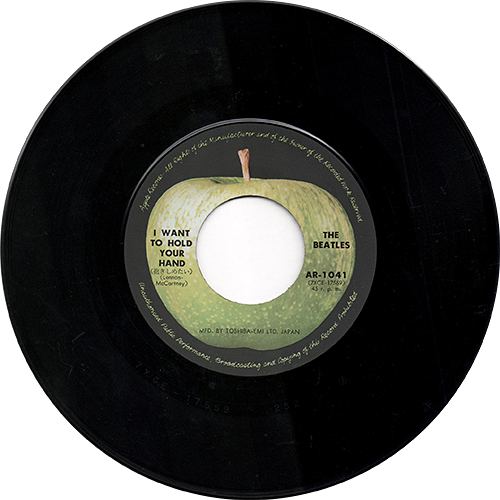
LABEL CLOSE UP
|
|||
 |
 |
|
 |
||
|
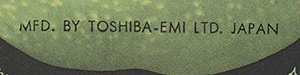
The words "MFD. BY TOSHIBA-EMI
LTD. JAPAN" was printed at the bottom of the label.
|
|||||
|
LYRIC SHEET: FRONT
CLOSE UP
|
LYRIC SHEET: BACK CLOSE UP | ||||
|
 |
 |
 |
||
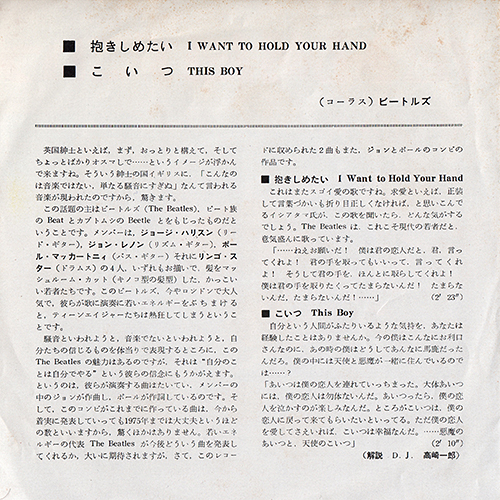
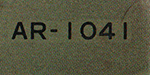
| Apple logomark and catalog No. "AR-1041" were printed at the top of the lyric sheet. | The words "Toshiba EMI Ltd." was printed at the bottom of the lyric sheet. | "MADE IN JAPAN.", "H", and "¥500" were printed at the lyric sheet. | |||
|
OTHER ITEM
|
|||||
|
-
|
|||||
|
RECORD LABEL
|
Apple type 2-2 | ||||
|
CATALOG NUMBER
|
AR-1041 | ||||
| MATRIX NUMBER | SIDE 1 | 7XCE-17559 2S 2 1 |
|||
| SIDE 2 | 7XCE-17560 2S 14 | ||||
| PRESS MARK | 4-1 4-69 |
||||
|
VINYL COLOR
|
Black | ||||
| DISK EDGE | Groove Guard | ||||
|
LYRIC SHEET STYLE
|
Bifold | ||||
|
INNER SLEEVE TYPE
|
Apple Black Sleeve | ||||
|
MIX
|
Mono | ||||
|
RECORD COMPANY'S NAME
|
COVER | Toshiba EMI Kabusikigaisha | |||
| LABEL | MFD. BY TOSHIBA-EMI LTD. JAPAN | ||||
|
SYMBOL/PRICE
|
H-500YEN | ||||
|
COMMENTS
|
Reissue of #1-14. Light Green Apple label. In 1969, Toshiba had to reissue on the Apple label all the records previously issued on the Odeon label. And in the Apple label, there are two subtypes, TOSHIBA MUSICAL INDUSTRIES and TOSHIBA EMI. Further more, the early copies of the APPLE-TOSHIBA MUSICAL INDUSTRIES type have dark Apple on its label, though the late copies have light one. The words "Toshiba EMI Ltd." was printed at the bottom of the lyric sheet. "MADE IN JAPAN.", "H", and "¥500" were printed at the lyric sheet. |
||||
|
TRACK LISTING
|
SIDE 1
|
I Want To Hold Your Hand (Lennon-McCartney) | |||
|
SIDE 2
|
This Boy (Lennon-McCartney) | ||||
|
RELEASE DATE
|
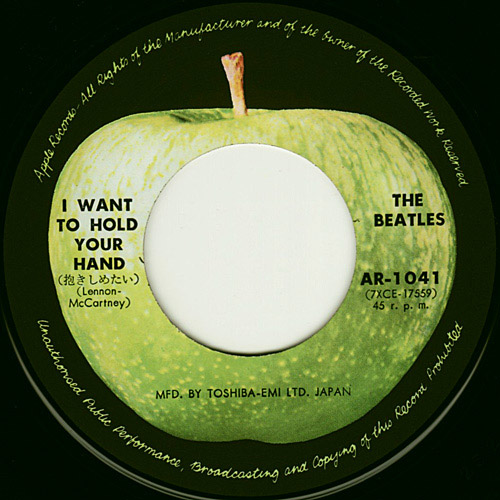
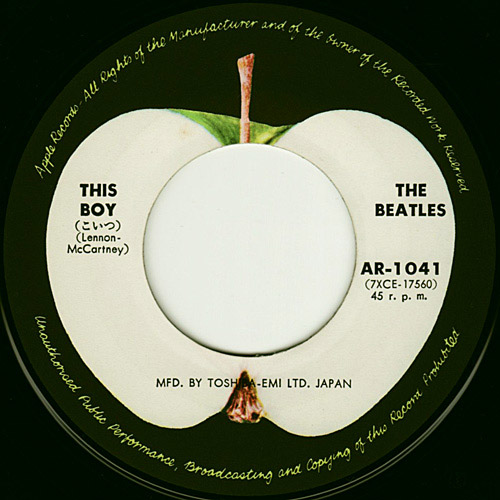
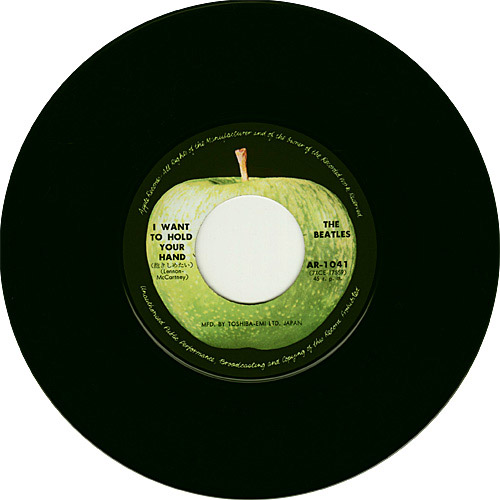
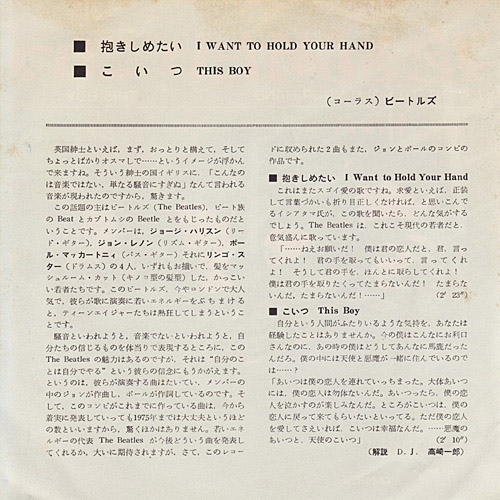
1976? | ||||
|
LYRIC SHEET (Bifold)
|
SIDE 2 -->Click! | DISK -->Click! | |||
 |
 |
 |
 |
 |
|
|
LYRIC SHEET: INSIDE
|
INNER SLEEVE
|
LABEL CLOSE UP
|
|||
 |
 |
|
 |
||
|
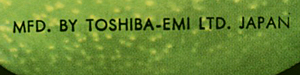
The words "MFD. BY TOSHIBA-EMI
LTD. JAPAN" was printed at the bottom of the label.
|
|||||
|
LYRIC SHEET: FRONT
CLOSE UP
|
LYRIC SHEET: BACK CLOSE UP | ||||
 |
 |
 |
 |
||
|
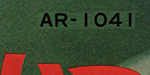
Apple logomark and catalog No. "AR-1041" were
printed at the top of the
lyric sheet.
|
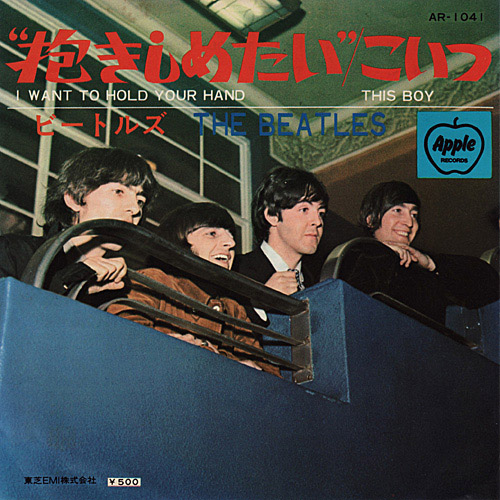
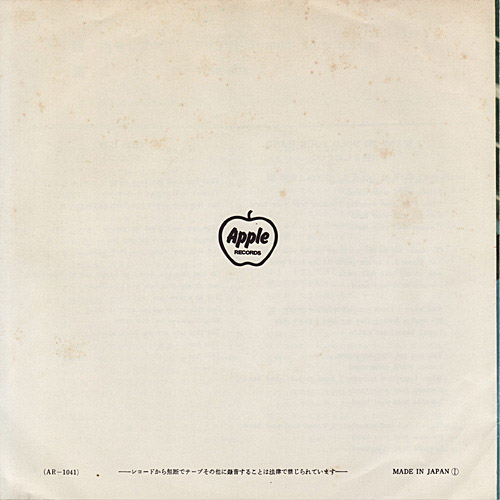
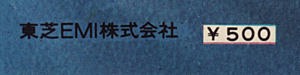
The words "Toshiba EMI Ltd." was printed at the bottom of the lyric sheet. | "MADE IN JAPAN.", "I", and "¥500" were printed at the lyric sheet. | |||
|
OTHER ITEM
|
|||||
|
-
|
|||||
|
RECORD LABEL
|
Apple type 2-2 | ||||
|
CATALOG NUMBER
|
AR-1041 | ||||
| MATRIX NUMBER | SIDE 1 | 7XCE-17559 2S 2 5 | |||
| SIDE 2 | 7XCE-17560 2S 17 | ||||
| PRESS MARK | Unknown | ||||
|
VINYL COLOR
|
Black | ||||
| DISK EDGE | Groove Guard | ||||
|
LYRIC SHEET STYLE
|
Bifold | ||||
|
INNER SLEEVE TYPE
|
Apple Black Sleeve | ||||
|
MIX
|
Mono | ||||
|
RECORD COMPANY'S NAME
|
COVER | Toshiba EMI Kabusikigaisha | |||
| LABEL | MFD. BY TOSHIBA-EMI LTD. JAPAN | ||||
|
SYMBOL/PRICE
|
I-500YEN | ||||
|
COMMENTS
|
Reissue of #1-15. Light Green Apple label. In 1969, Toshiba had to reissue on the Apple label all the records previously issued on the Odeon label. And in the Apple label, there are two subtypes, TOSHIBA MUSICAL INDUSTRIES and TOSHIBA EMI. Further more, the early copies of the APPLE-TOSHIBA MUSICAL INDUSTRIES type have dark Apple on its label, though the late copies have light one. The words "Toshiba EMI Ltd." was printed at the bottom of the lyric sheet. "MADE IN JAPAN.", "I", and "¥500" were printed at the lyric sheet. |
||||
|
TRACK LISTING
|
SIDE 1
|
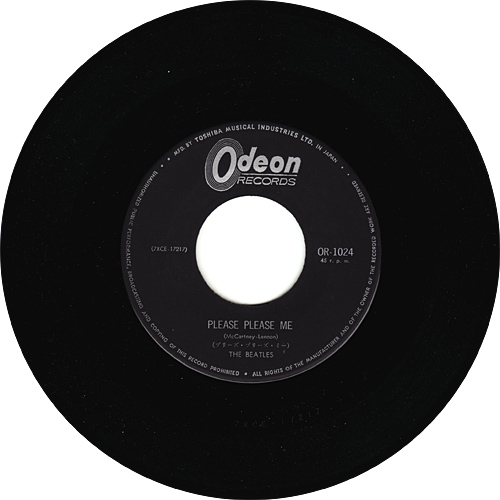
Please Please Me (McCartney-Lennon) | |||
|
SIDE 2
|
Ask Me Why (McCartney-Lennon) | ||||
|
RELEASE DATE
|
10th February.1964/First Press | ||||
|
LYRIC SHEET (Bifold)
|
SIDE 2 -->Click! | DISK -->Click! | |||
 |
 |
 |
 |
 |
|
|
LYRIC SHEET: INSIDE
|
INNER SLEEVE
|
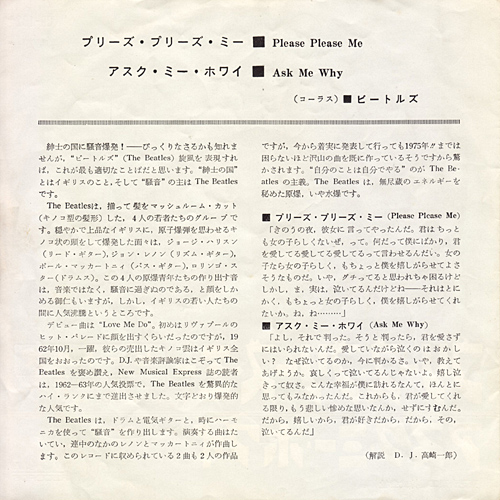
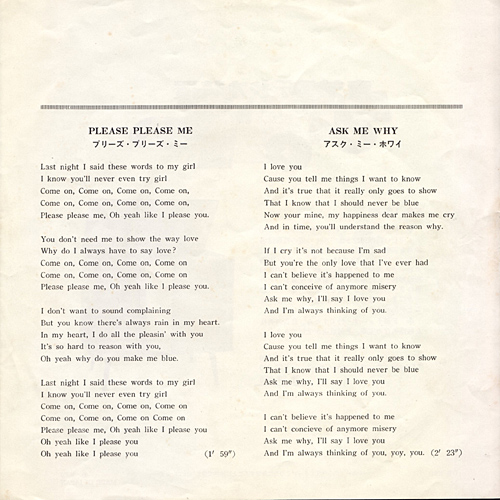
LYRIC SHEET: FRONT CLOSE UP | |||
 |
 |
|
 |
Odeon logomark was printed at the bottom of the lyric sheet. | |
|
LYRIC SHEET: FRONT
CLOSE UP
|
LYRIC SHEET: BACK CLOSE UP | ||||
 |
 |
 |
|||
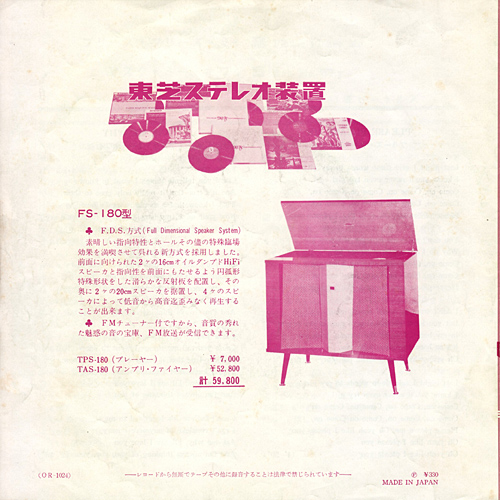
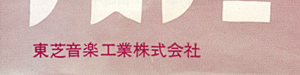
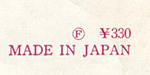
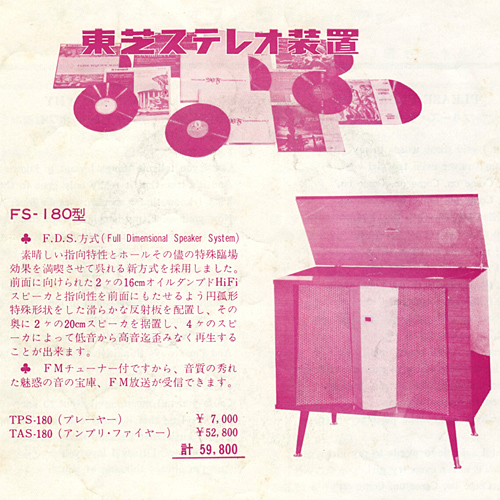
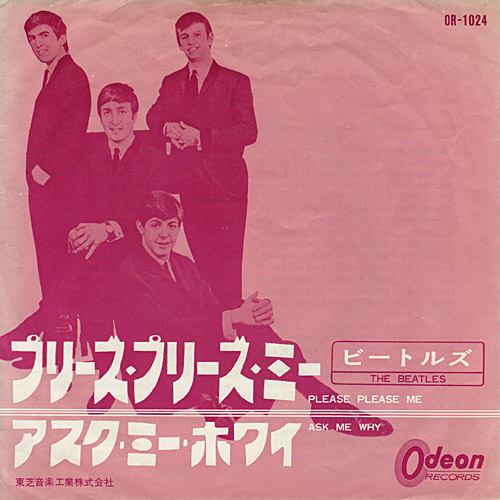
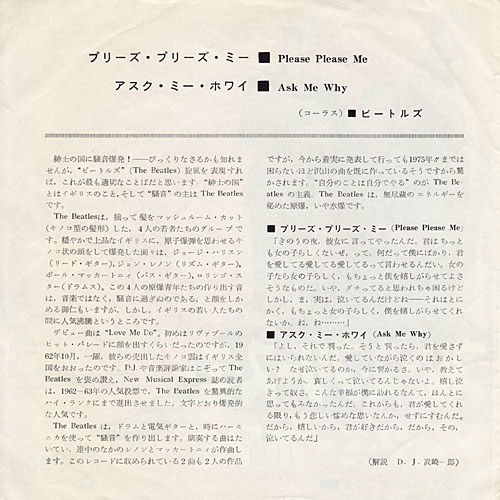
| The words "Toshiba Musical Industries Ltd." was printed at the bottom of the lyric sheet. | "MADE IN JAPAN" and "F-¥330" were printed at the bottom of the lyric sheet. | "Toshiba Audio system" advertising was introduced at the back of the lyric sheet. | |||
| LYRIC SHEET: BACK CLOSE UP | |||||
| #2-1: 1st. Press (This record) | #2-2: 2nd. Press | 1st. issue don't have the words "Toshiba Musical Industries Ltd." | |||
 |
 |
||||
| LABEL CLOSE UP | |||||
|
|
The words "MFD. BY TOSHIBA MUSICAL INDUSTRIES LTD. IN JAPAN" was printed at the perimeter. |
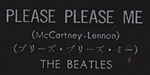 |
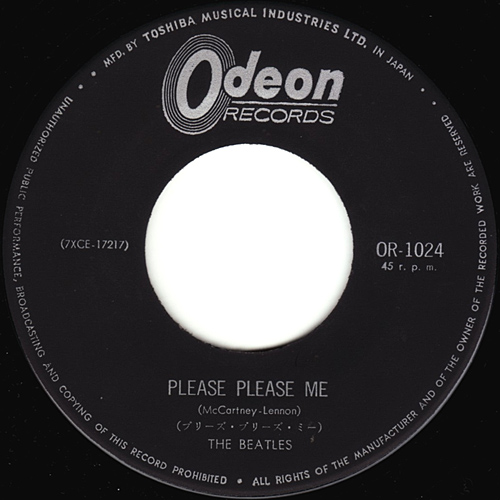
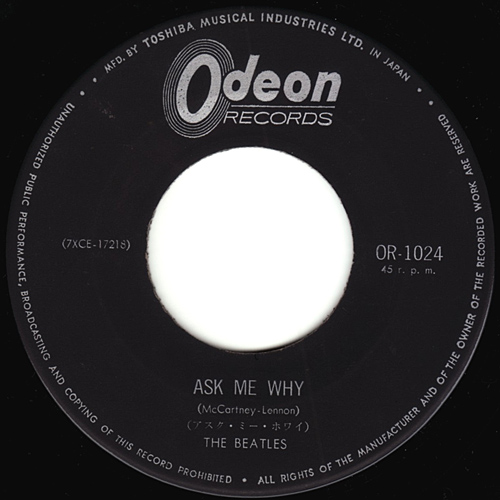
Credited to song writing "McCartney-Lennon" on both sides. | ||
|
OTHER ITEM
|
|||||
|
-
|
|||||
|
RECORD LABEL
|
Odeon type 1 | ||||
|
CATALOG NUMBER
|
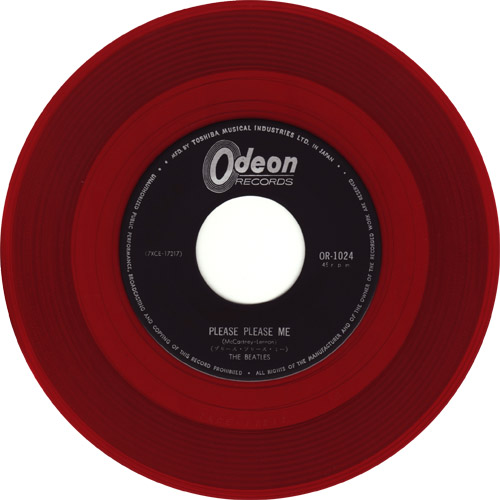
OR-1024 | ||||
|
MATRIX NUMBER
|
SIDE 1
|
7XCE-17217 4 | |||
|
SIDE 2
|
7XCE-17218 3 | ||||
|
PRESS MARK
|
A4 | ||||
|
VINYL COLOR
|
Black | ||||
| DISK EDGE | Flat Edge | ||||
|
LYRIC SHEET STYLE
|
Bifold | ||||
|
INNER SLEEVE TYPE
|
Toshiba Records Sleeve type 1 | ||||
|
MIX
|
Mono | ||||
|
RECORD COMPANY'S NAME
|
COVER
|
Toshiba Ongaku kogyo Kabusikigaisha | |||
|
LABEL
|
MFD. BY TOSHIBA MUSICAL INDUSTRIES LTD. IN JAPAN | ||||
|
SYMBOL/PRICE
|
F-330YEN | ||||
|
COMMENTS
|
Toshiba's official name
was "Toshiba Musical Industries Ltd." and they used the Odeon label for
the Beatles releases. This single was manufactured two ways: both Black and Red vinyl. 1st. issue don't have the words "Toshiba Musical Industries Ltd." on the back cover. "Please please me" has a lower catalog number and was scheduled to be the first Odeon Beatles single. However, "I want to hole your hand" was rush released to the market first. Credited to song writing "McCartney-Lennon" on both sides. |
||||
|
TRACK LISTING
|
SIDE 1
|
Please Please Me (McCartney-Lennon) | |||
|
SIDE 2
|
Ask Me Why (McCartney-Lennon) | ||||
|
RELEASE DATE
|
May 1964? /Second Press | ||||
|
LYRIC SHEET (Bifold)
|
SIDE 2 -->Click! | DISK -->Click! | |||
 |
 |
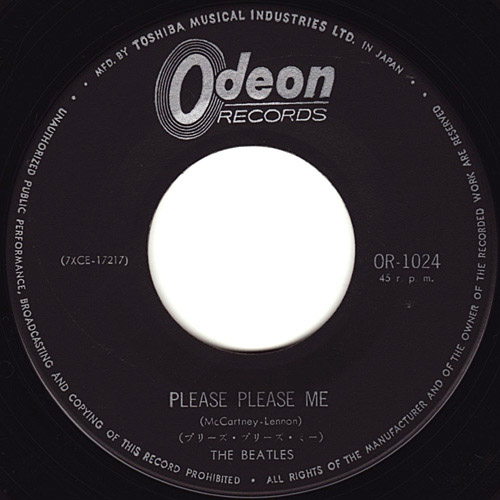 |
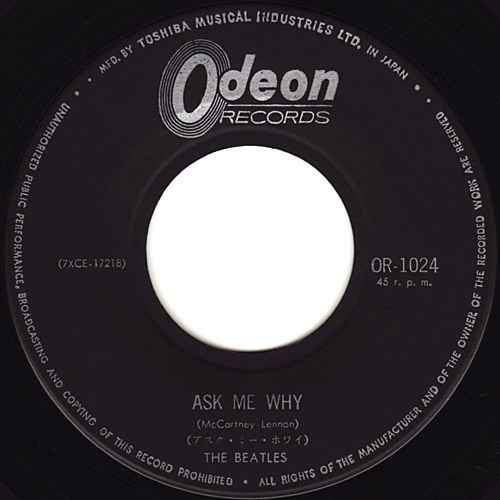 |
 |
|
|
LYRIC SHEET: INSIDE
|
INNER SLEEVE
|
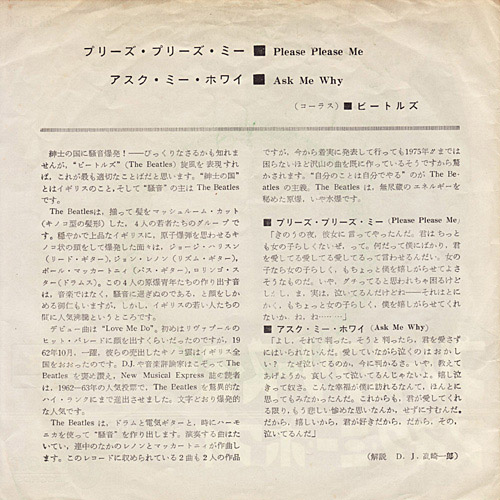
LYRIC SHEET: FRONT CLOSE UP | |||
 |
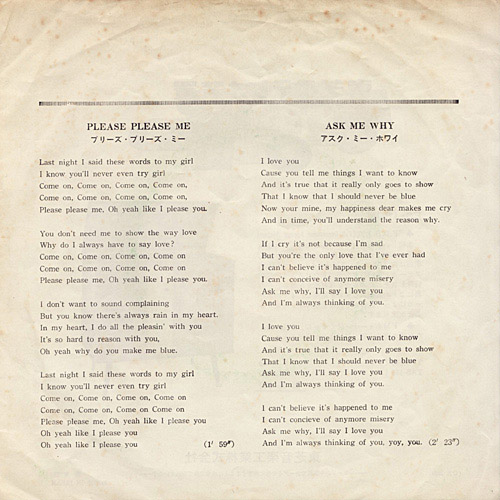 |
|
 |
Odeon logomark was printed at the bottom of the lyric sheet. | |
|
LYRIC SHEET: FRONT
CLOSE UP
|
LYRIC SHEET: BACK CLOSE UP | ||||
 |
 |
 |
|||
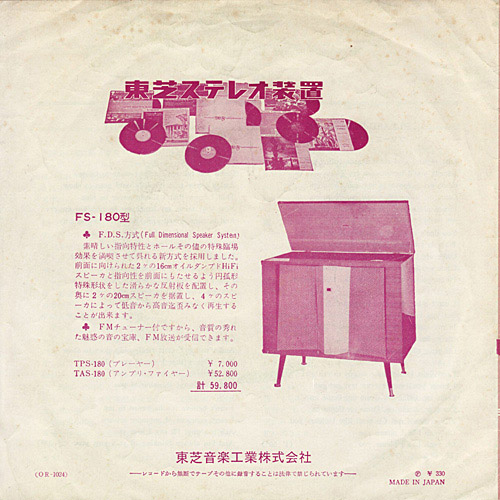
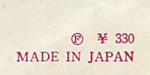
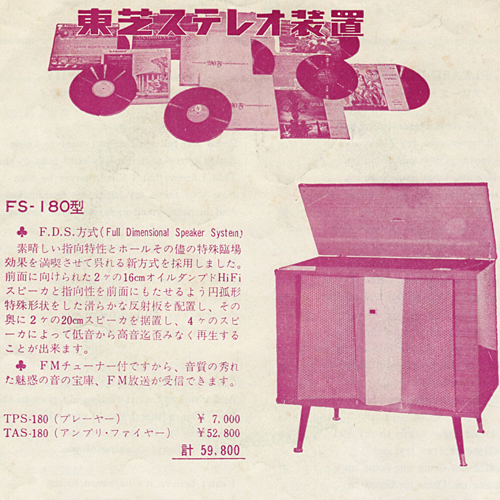
| The words "Toshiba Musical Industries Ltd." was printed at the bottom of the lyric sheet. | "MADE IN JAPAN" and "F-¥330" were printed at the bottom of the lyric sheet. | "Toshiba Audio system" advertising was introduced at the back of the lyric sheet. | |||
| LYRIC SHEET: BACK CLOSE UP | |||||
| #2-1: 1st. Press | #2-2: 2nd. Press (This record) | 2nd. issue have the words "Toshiba Musical Industries Ltd." | |||
|
|
||||
| LABEL CLOSE UP | |||||
|
|
The words "MFD. BY TOSHIBA MUSICAL INDUSTRIES LTD. IN JAPAN" was printed at the perimeter. |
 |
Credited to song writing "McCartney-Lennon" on both sides. | ||
|
OTHER ITEM
|
|||||
|
-
|
|||||
|
RECORD LABEL
|
Odeon type 1 | ||||
|
CATALOG NUMBER
|
OR-1024 | ||||
|
MATRIX NUMBER
|
SIDE 1
|
7XCE-17217 30 | |||
|
SIDE 2
|
7XCE-17218 25 | ||||
|
PRESS MARK
|
D4 -> E4 | ||||
|
VINYL COLOR
|
Black | ||||
| DISK EDGE | Flat Edge | ||||
|
LYRIC SHEET STYLE
|
Bifold | ||||
|
INNER SLEEVE TYPE
|
Toshiba Records Sleeve type 1 | ||||
|
MIX
|
Mono | ||||
|
RECORD COMPANY'S NAME
|
COVER
|
Toshiba Ongaku kogyo Kabusikigaisha | |||
|
LABEL
|
MFD. BY TOSHIBA MUSICAL INDUSTRIES LTD. IN JAPAN | ||||
|
SYMBOL/PRICE
|
F-330YEN | ||||
|
COMMENTS
|
Reissue of #2-1. Toshiba's official name was "Toshiba Musical Industries Ltd." and they used the Odeon label for the Beatles releases. This single was manufactured two ways: both Black and Red vinyl. 2nd. issue have the words "Toshiba Musical Industries Ltd." on the back cover. "Please please me" has a lower catalog number and was scheduled to be the first Odeon Beatles single. However, "I want to hole your hand" was rush released to the market first. Credited to song writing "McCartney-Lennon" on both sides. |
||||
|
TRACK LISTING
|
SIDE 1
|
Please Please Me (McCartney-Lennon) | |||
|
SIDE 2
|
Ask Me Why (McCartney-Lennon) | ||||
|
RELEASE DATE
|
April 1964? / Third Press | ||||
|
LYRIC SHEET (Bifold)
|
SIDE 2 -->Click! | DISK -->Click! | |||
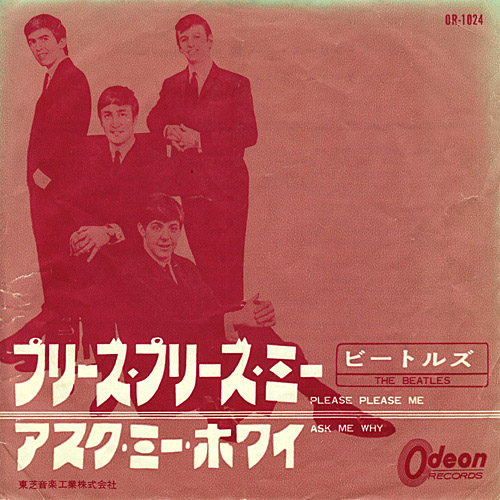 |
 |
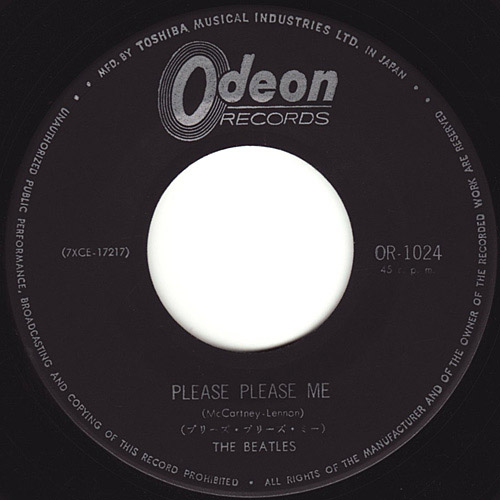 |
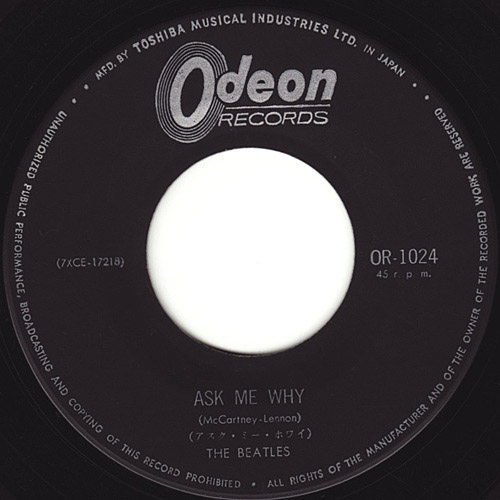 |
 |
|
|
LYRIC SHEET: INSIDE
|
INNER SLEEVE
|
LYRIC SHEET: FRONT CLOSE UP | |||
 |
 |
|
 |
Odeon logomark was printed at the bottom of the lyric sheet. | |
|
LYRIC SHEET: FRONT
CLOSE UP
|
LYRIC SHEET: BACK CLOSE UP | ||||
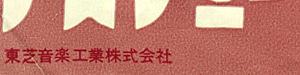 |
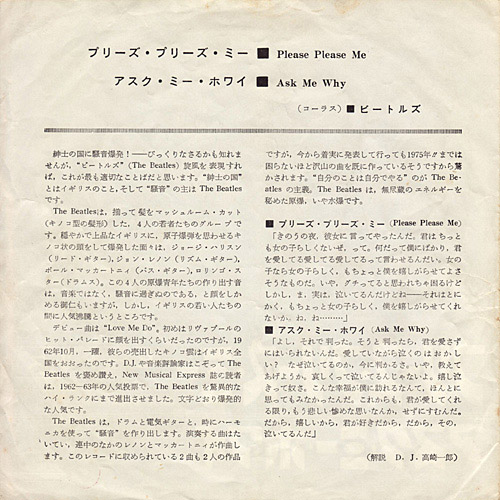
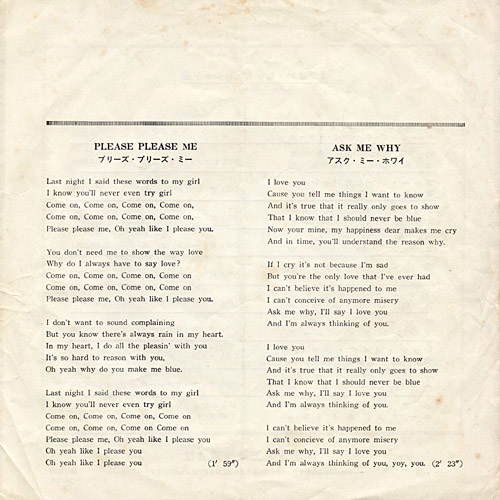
The words "Toshiba Musical Industries Ltd."
was printed at the bottom of the lyric sheet.
|
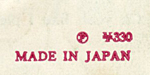 |
"MADE IN JAPAN" and "F-¥330" were printed at the bottom of the lyric sheet. | ||
| LYRIC SHEET: BACK CLOSE UP | |||||
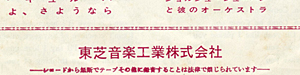
| 3rd. Press (=this record) | 4th. Press | 2nd. issue (=this record) have the words "Toshiba Musical Industries Ltd.", 3rd. issue was removed. | |||
 |
 |
||||
| LABEL CLOSE UP | |||||
|
|
The words "MFD. BY TOSHIBA MUSICAL INDUSTRIES LTD. IN JAPAN" was printed at the perimeter. |
 |
Credited to song writing "McCartney-Lennon" on both sides. | ||
|
OTHER ITEM
|
|||||
|
-
|
|||||
|
RECORD LABEL
|
Odeon type 1 | ||||
|
CATALOG NUMBER
|
OR-1024 | ||||
|
MATRIX NUMBER
|
SIDE 1
|
7XCE-17217 14 | |||
|
SIDE 2
|
7XCE-17218 31 | ||||
|
PRESS MARK
|
B4 -> C4 -> D4 | ||||
|
VINYL COLOR
|
Black | ||||
| DISK EDGE | Flat Edge | ||||
|
LYRIC SHEET STYLE
|
Bifold | ||||
|
INNER SLEEVE TYPE
|
Toshiba Records Sleeve type 1 | ||||
|
MIX
|
Mono | ||||
|
RECORD COMPANY'S NAME
|
COVER
|
Toshiba Ongaku kogyo Kabusikigaisha | |||
|
LABEL
|
MFD. BY TOSHIBA MUSICAL INDUSTRIES LTD. IN JAPAN | ||||
|
SYMBOL/PRICE
|
F-330YEN | ||||
|
COMMENTS
|
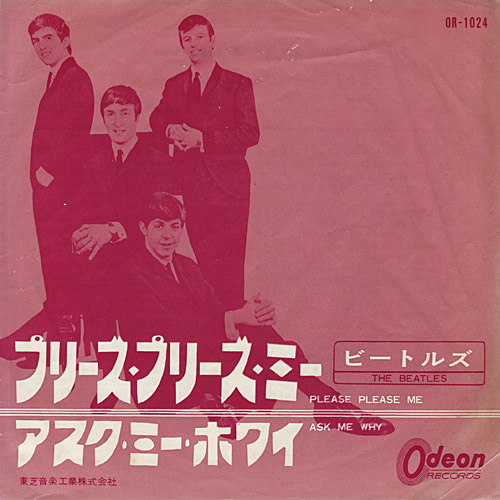
Reissue of #2-2 with the
same front cover
photo, but back cover has the
words "Toshiba Musical Industries Ltd." at the bottom. Credited to song writing "McCartney-Lennon" on both sides. This single was manufactured two ways: both Black and Red vinyl (maybe). |
||||
|
TRACK LISTING
|
SIDE 1
|
Please Please Me (McCartney-Lennon) | |||
|
SIDE 2
|
Ask Me Why (McCartney-Lennon) | ||||
|
RELEASE DATE
|
April 1964?/4th. Press | ||||
|
LYRIC SHEET (Bifold)
|
SIDE 2 -->Click! | DISK -->Click! | |||
 |
 |
 |
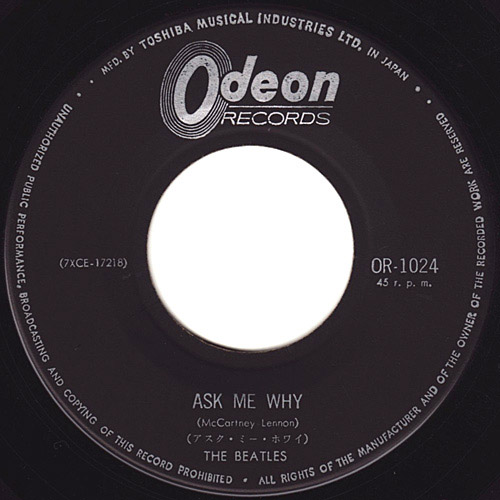 |
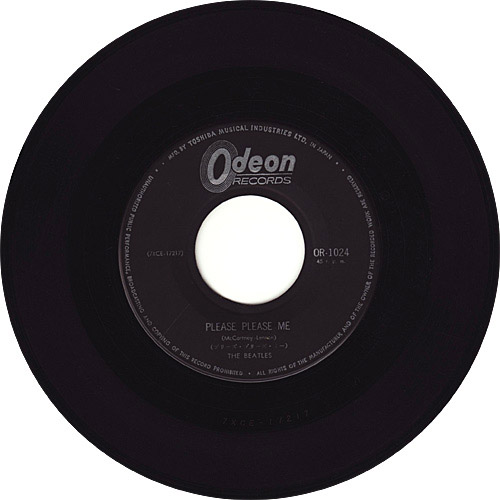 |
|
|
LYRIC SHEET: INSIDE
|
INNER SLEEVE
|
LYRIC SHEET: FRONT CLOSE UP | |||
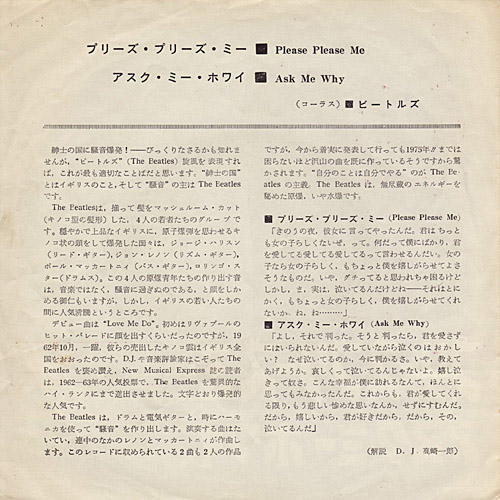 |
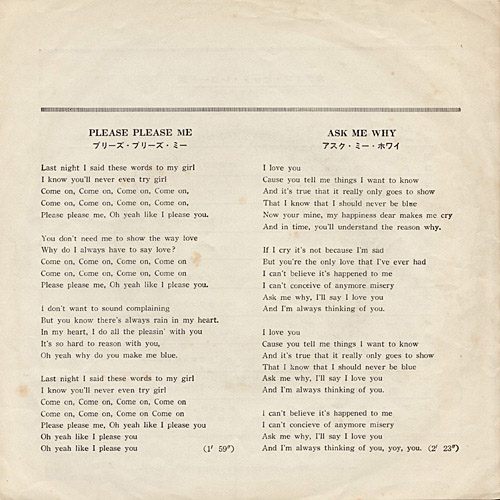 |
|
 |
Odeon logomark was printed at the bottom of the lyric sheet. | |
|
LYRIC SHEET: FRONT
CLOSE UP
|
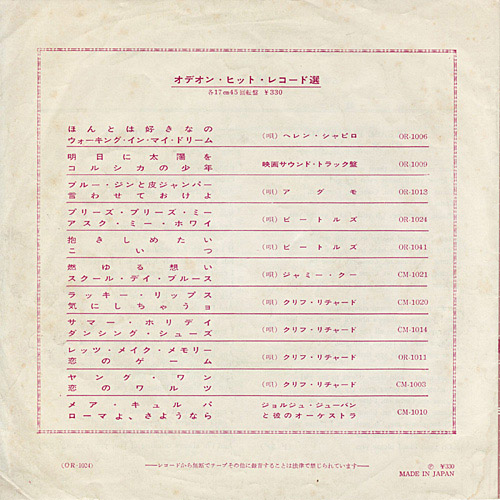
LYRIC SHEET: BACK CLOSE UP | ||||
 |
The words "Toshiba Musical Industries Ltd." was printed at the bottom of the lyric sheet. |  |
"MADE IN JAPAN" and "F-¥330" were printed at the bottom of the lyric sheet. | ||
| LYRIC SHEET: BACK CLOSE UP | |||||
| 3rd. Press | 4th. Press (=this record) | 2nd. issue have the words "Toshiba Musical Industries Ltd.", 3rd. issue (=this record) was removed. | |||
|
|
||||
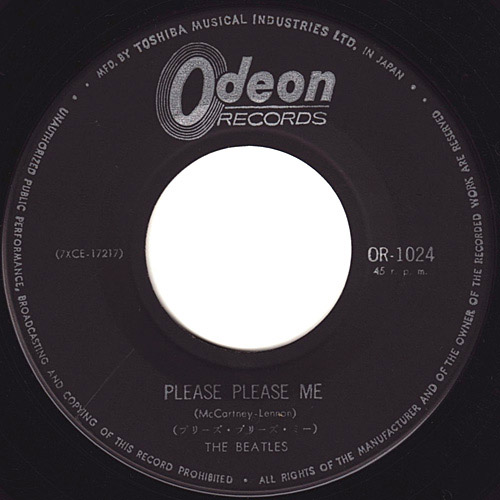
| LABEL CLOSE UP | |||||
|
|
The words
"MFD. BY TOSHIBA MUSICAL INDUSTRIES
LTD. IN JAPAN" was printed at the perimeter.
|
 |
Credited to song writing "McCartney-Lennon" on both sides. | ||
|
OTHER ITEM
|
|||||
|
-
|
|||||
|
RECORD LABEL
|
Odeon type 1 | ||||
|
CATALOG NUMBER
|
OR-1024 | ||||
|
MATRIX NUMBER
|
SIDE 1
|
7XCE-17217 2(?) | |||
|
SIDE 2
|
7XCE-17218 11 | ||||
|
PRESS MARK
|
C4 -> D4 | ||||
|
VINYL COLOR
|
Black | ||||
| DISK EDGE | Flat Edge | ||||
|
LYRIC SHEET STYLE
|
Bifold | ||||
|
INNER SLEEVE TYPE
|
Toshiba Records Sleeve type 1 | ||||
|
MIX
|
Mono | ||||
|
RECORD COMPANY'S NAME
|
COVER
|
Toshiba Ongaku kogyo Kabusikigaisha | |||
|
LABEL
|
MFD. BY TOSHIBA MUSICAL INDUSTRIES LTD. IN JAPAN | ||||
|
SYMBOL/PRICE
|
F-330YEN | ||||
|
COMMENTS
|
Reissue of #2-3 with the
same front cover
photo, but back cover was changed to Toshiba records' information. Credited to song writing "McCartney-Lennon" on both sides. This single was manufactured two ways: both Black and Red vinyl. |
||||
|
TRACK LISTING
|
SIDE 1
|
Please Please Me (McCartney-Lennon) | |||
|
SIDE 2
|
Ask Me Why (McCartney-Lennon) | ||||
|
RELEASE DATE
|
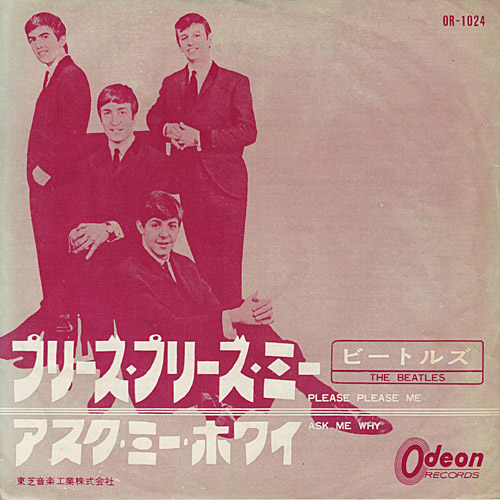
December 1964?/4th. Press | ||||
|
LYRIC SHEET (Bifold)
|
SIDE 2 -->Click! | DISK -->Click! | |||
 |
 |
 |
 |
 |
|
|
LYRIC SHEET: INSIDE
|
INNER SLEEVE
|
LYRIC SHEET: FRONT CLOSE UP | |||
|
|
|
 |
Odeon logomark was printed at the bottom of the lyric sheet. | |
|
LYRIC SHEET: FRONT
CLOSE UP
|
LYRIC SHEET: BACK CLOSE UP | ||||
 |
The words "Toshiba Musical Industries Ltd."
was printed at the bottom of the lyric sheet.
|
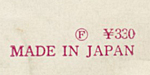 |
"MADE IN JAPAN" and "F-¥330" were printed at the bottom of the lyric sheet. | ||
| LYRIC SHEET: BACK CLOSE UP | |||||
| 3rd. Press | 4th. Press (=this record) | 2nd. issue have the words "Toshiba Musical Industries Ltd.", 3rd. issue (=this record) was removed. | |||
|
|
||||
| LABEL CLOSE UP | |||||
|
|
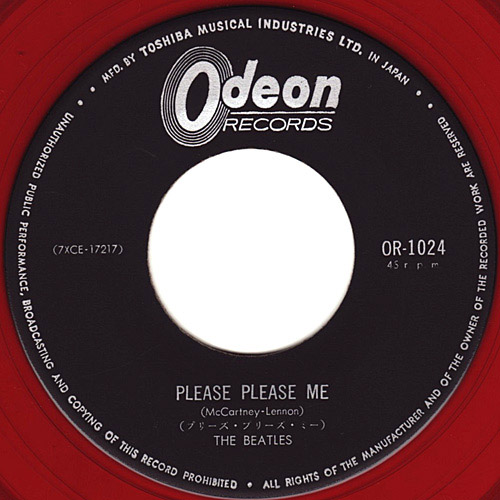
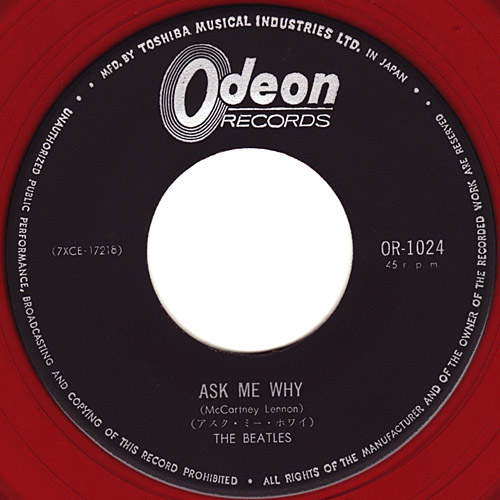
The words "MFD. BY TOSHIBA MUSICAL INDUSTRIES LTD. IN JAPAN" was printed at the perimeter. |
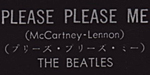 |
Credited to song writing "McCartney-Lennon" on both sides. | ||
|
OTHER ITEM
|
|||||
|
-
|
|||||
|
RECORD LABEL
|
Odeon type 1 | ||||
|
CATALOG NUMBER
|
OR-1024 | ||||
|
MATRIX NUMBER
|
SIDE 1
|
7XCE-17217 7 | |||
|
SIDE 2
|
7XCE-17218 41 | ||||
|
PRESS MARK
|
B4 -> C4 -> M4 | ||||
|
VINYL COLOR
|
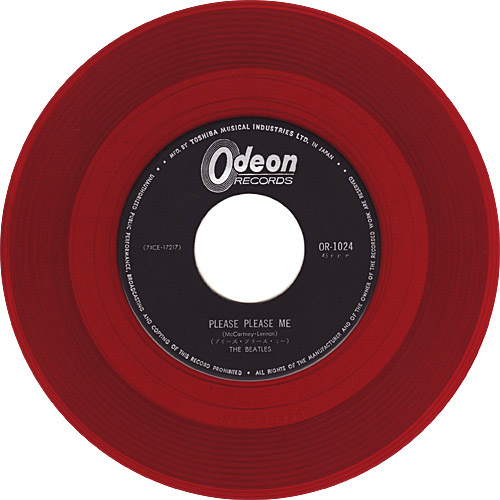
Red | ||||
| DISK EDGE | Flat Edge | ||||
|
LYRIC SHEET STYLE
|
Bifold | ||||
|
INNER SLEEVE TYPE
|
Toshiba Records Sleeve type 1 | ||||
|
MIX
|
Mono | ||||
|
RECORD COMPANY'S NAME
|
COVER
|
Toshiba Ongaku kogyo Kabusikigaisha | |||
|
LABEL
|
MFD. BY TOSHIBA MUSICAL INDUSTRIES LTD. IN JAPAN | ||||
|
SYMBOL/PRICE
|
F-330YEN | ||||
|
COMMENTS
|
Reissue of #2-3 with the
same front cover
photo, but back cover was changed to
Toshiba records' information. This single was manufactured two ways: both Black and Red vinyl. Credited to song writing "McCartney-Lennon" on both sides. |
||||
|
TRACK LISTING
|
SIDE 1
|
Please Please Me (McCartney-Lennon) | |||
|
SIDE 2
|
Ask Me Why (McCartney-Lennon) | ||||
|
RELEASE DATE
|
October 1965?/5th. Press | ||||
|
LYRIC SHEET (Bifold)
|
SIDE 2 -->Click! | DISK -->Click! | |||
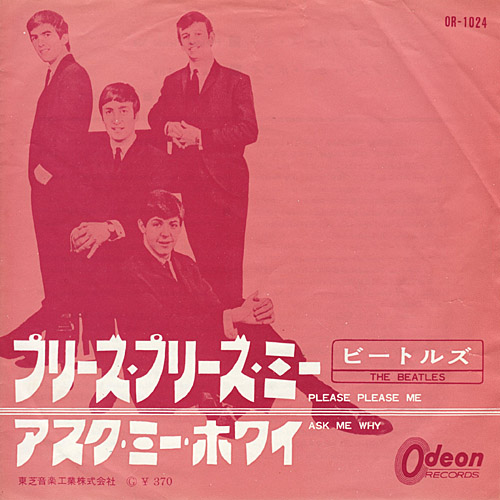 |
 |
 |
 |
 |
|
|
LYRIC SHEET: INSIDE
|
INNER SLEEVE
|
LYRIC SHEET: FRONT CLOSE UP | |||
 |
 |
|
 |
Odeon logomark was printed at the bottom of the lyric sheet. | |
|
LYRIC SHEET: FRONT
CLOSE UP
|
LYRIC SHEET: BACK CLOSE UP | ||||
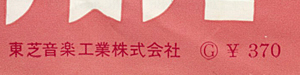 |
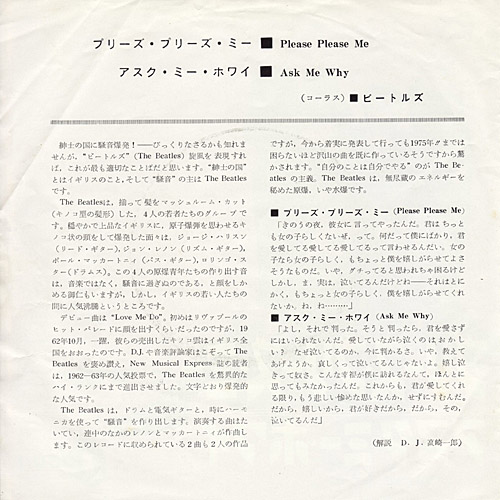
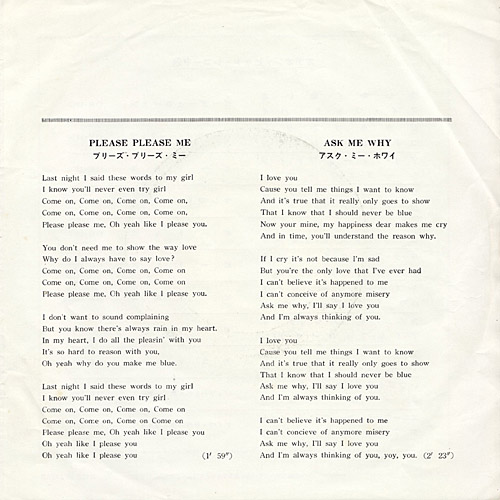
The words "Toshiba Musical Industries Ltd." and "G ¥370" were printed at the
bottom of the lyric sheet.
|
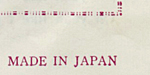 |
"MADE IN JAPAN" was printed at the bottom of the lyric sheet. | ||
| LYRIC SHEET: BACK CLOSE UP | |||||
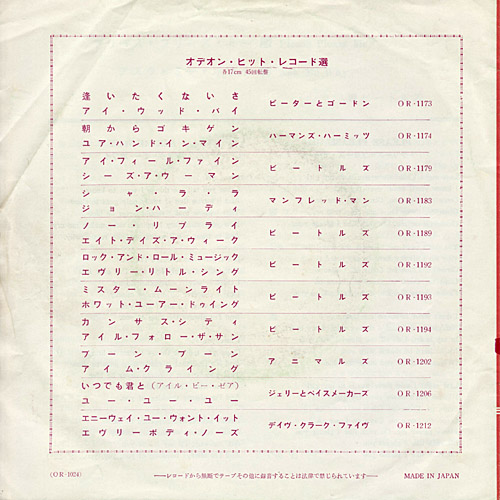
| 3rd. & 4th. Press | 5th. Press (=this record) | "The
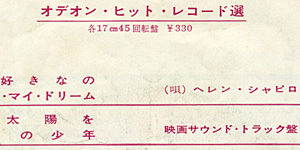
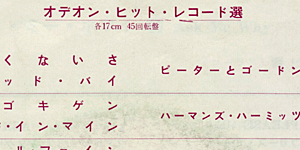
Odeon Hit Records" were introduced at the back of the lyric sheet. but, different Records list from 3rd. Press. |
|||
 |
 |
||||
| LABEL CLOSE UP | |||||
|
|
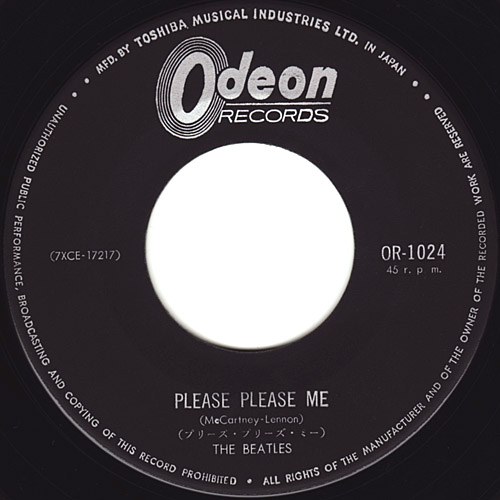
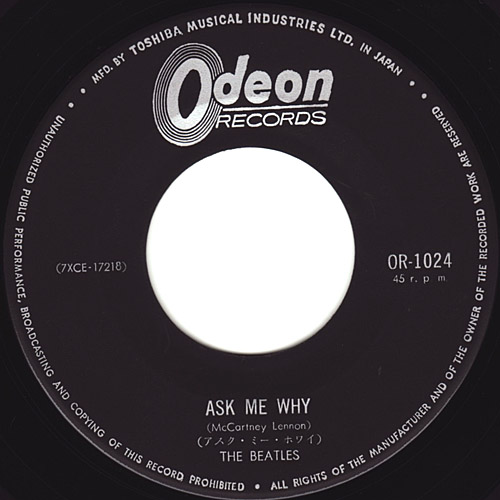
The words "MFD. BY TOSHIBA MUSICAL INDUSTRIES LTD. IN JAPAN" was printed at the perimeter. |
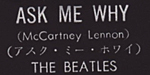 |
Credited to song writing "McCartney-Lennon" on both sides. | ||
|
OTHER ITEM
|
|||||
|
-
|
|||||
|
RECORD LABEL
|
Odeon type 1 | ||||
|
CATALOG NUMBER
|
OR-1024 | ||||
|
MATRIX NUMBER
|
SIDE 1
|
7XCE-17217 25 | |||
|
SIDE 2
|
7XCE-17218 36 | ||||
|
PRESS MARK
|
H4 -> K5 | ||||
|
VINYL COLOR
|
Black | ||||
| DISK EDGE | Knife Edge | ||||
|
LYRIC SHEET STYLE
|
Bifold | ||||
|
INNER SLEEVE TYPE
|
Toshiba Records Sleeve type 1 | ||||
|
MIX
|
Mono | ||||
|
RECORD COMPANY'S NAME
|
COVER
|
Toshiba Ongaku kogyo Kabusikigaisha | |||
|
LABEL
|
MFD. BY TOSHIBA MUSICAL INDUSTRIES LTD. IN JAPAN | ||||
|
SYMBOL/PRICE
|
G-370YEN | ||||
|
COMMENTS
|
Reissue of #2-4 with the
same front cover
photo, but back cover was different
records list. Credited to song writing "McCartney-Lennon" on both sides. This single was manufactured two ways: both Black and Red vinyl (maybe). |
||||
|
TRACK LISTING
|
SIDE 1
|
Please Please Me (McCartney-Lennon) | |||
|
SIDE 2
|
Ask Me Why (McCartney-Lennon) | ||||
|
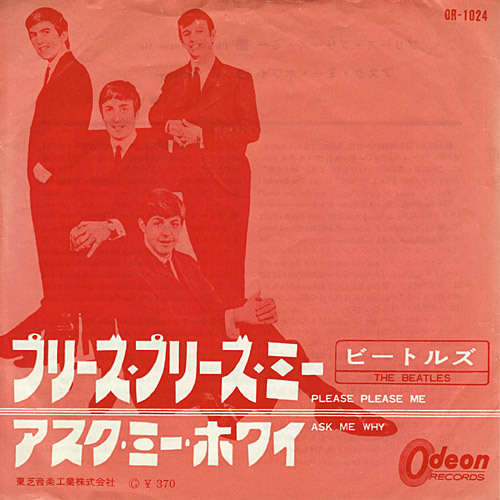
RELEASE DATE
|
May 1966?/6th. Press | ||||
|
LYRIC SHEET (Bifold)
|
SIDE 2 -->Click! | DISK -->Click! | |||
 |
 |
 |
 |
 |
|
|
LYRIC SHEET: INSIDE
|
INNER SLEEVE
|
LYRIC SHEET: FRONT CLOSE UP | |||
 |
 |
|
 |
Odeon logomark was printed at the bottom of the lyric sheet. | |
|
LYRIC SHEET: FRONT
CLOSE UP
|
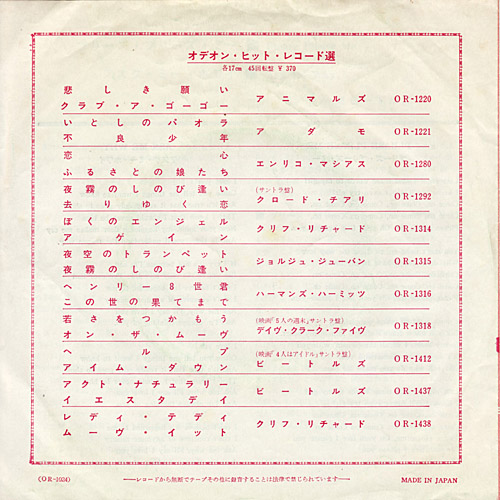
LYRIC SHEET: BACK CLOSE UP | ||||
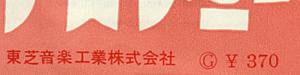 |
The words "Toshiba Musical Industries Ltd." and "G ¥370" were printed at the
bottom of the lyric sheet.
|
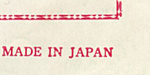 |
"MADE IN JAPAN" was printed at the bottom of the lyric sheet. | ||
| LYRIC SHEET: BACK CLOSE UP | |||||
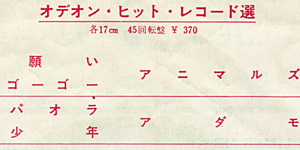
| 5th. Press | 6th. Press (=this record) | "The
Odeon Hit Records" were introduced at the back of the lyric sheet. but, different Records list from 4th. Press. |
|||
|
 |
||||
| LABEL CLOSE UP | |||||
|
|
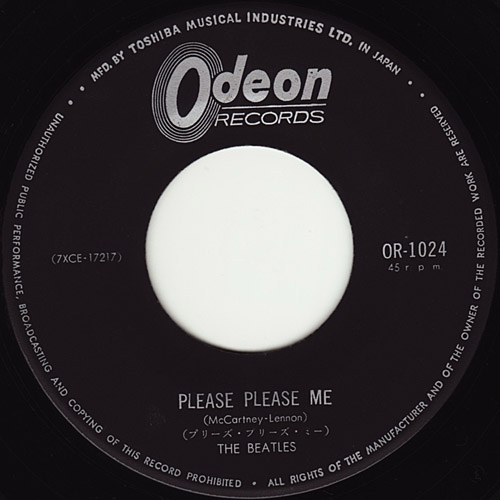
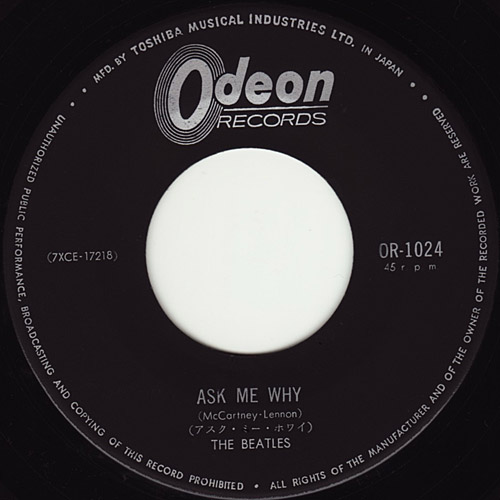
The words "MFD. BY TOSHIBA MUSICAL INDUSTRIES LTD. IN JAPAN" was printed at the perimeter. |
 |
Credited to song writing "McCartney-Lennon" on both sides. | ||
|
OTHER ITEM
|
|||||
|
-
|
|||||
|
RECORD LABEL
|
Odeon type 1 | ||||
|
CATALOG NUMBER
|
OR-1024 | ||||
|
MATRIX NUMBER
|
SIDE 1
|
7XCE-17217 36 | |||
|
SIDE 2
|
7XCE-17218 38 | ||||
|
PRESS MARK
|
E6 | ||||
|
VINYL COLOR
|
Black | ||||
| DISK EDGE | Knife Edge | ||||
|
LYRIC SHEET STYLE
|
Bifold | ||||
|
INNER SLEEVE TYPE
|
Toshiba Records Sleeve type 1 | ||||
|
MIX
|
Mono | ||||
|
RECORD COMPANY'S NAME
|
COVER
|
Toshiba Ongaku kogyo Kabusikigaisha | |||
|
LABEL
|
MFD. BY TOSHIBA MUSICAL INDUSTRIES LTD. IN JAPAN | ||||
|
SYMBOL/PRICE
|
G-370YEN | ||||
|
COMMENTS
|
Reissue of #2-6 with the
same front cover
photo, but back cover was different
records list. Credited to song writing "McCartney-Lennon" on both sides. This single was manufactured two ways: both Black and Red vinyl (maybe). |
||||
|
TRACK LISTING
|
SIDE 1
|
Please Please Me (McCartney-Lennon) | |||
|
SIDE 2
|
Ask Me Why (McCartney-Lennon) | ||||
|
RELEASE DATE
|
December 1966?/7th. Press | ||||
|
LYRIC SHEET (Bifold)
|
SIDE 2 -->Click! | DISK -->Click! | |||
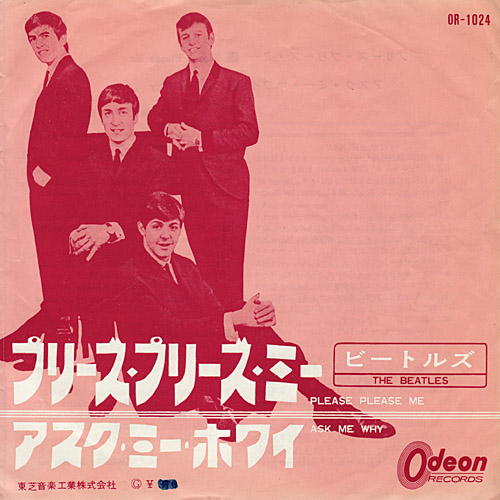 |
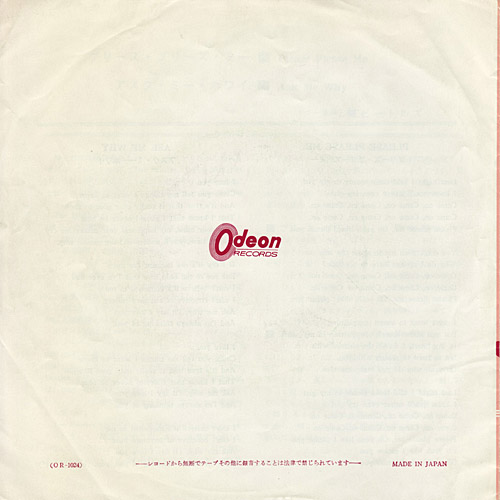 |
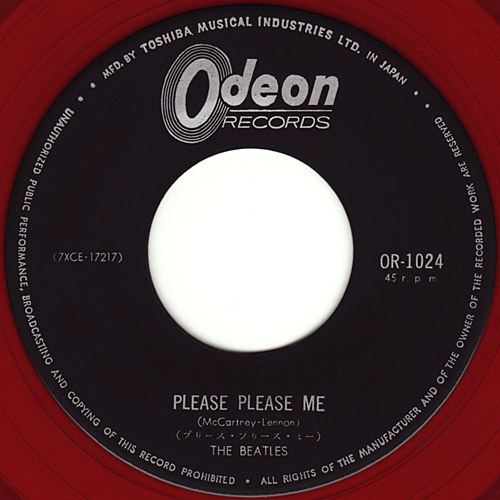 |
 |
 |
|
|
LYRIC SHEET: INSIDE
|
INNER SLEEVE
|
LYRIC SHEET: FRONT CLOSE UP | |||
 |
 |
|
 |
Odeon logomark was printed at the bottom of the lyric sheet. | |
|
LYRIC SHEET: FRONT
CLOSE UP
|
|||||
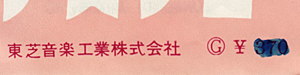 |
The words "Toshiba Musical Industries Ltd." and "G ¥370" were printed at the
bottom of the lyric sheet.
|
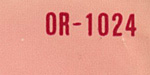 |
Catalog No. "OR-1024" was printed at the upper right corner of the lyric sheet. | ||
| LYRIC SHEET: BACK CLOSE UP | |||||
 |
Odeon logomark was printed at the center of the back cover. | 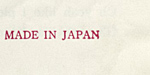 |
"MADE IN JAPAN" was printed at the bottom of the lyric sheet. | ||
| LABEL CLOSE UP | |||||
|
|
The words "MFD. BY TOSHIBA MUSICAL INDUSTRIES LTD. IN JAPAN" was printed at the perimeter. |
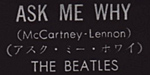 |
Credited to song writing "McCartney-Lennon" on both sides. | ||
|
OTHER ITEM
|
|||||
|
-
|
|||||
|
RECORD LABEL
|
Odeon type 1 | ||||
|
CATALOG NUMBER
|
OR-1024 | ||||
|
MATRIX NUMBER
|
SIDE 1
|
7XCE-17217 46 | |||
|
SIDE 2
|
7XCE-17218 44 | ||||
|
PRESS MARK
|
6M | ||||
|
VINYL COLOR
|
Red | ||||
| DISK EDGE | Flat Edge | ||||
|
LYRIC SHEET STYLE
|
Bifold | ||||
|
INNER SLEEVE TYPE
|
Toshiba Records Sleeve type 1 | ||||
|
MIX
|
Mono | ||||
|
RECORD COMPANY'S NAME
|
COVER
|
Toshiba Ongaku kogyo Kabusikigaisha | |||
|
LABEL
|
MFD. BY TOSHIBA MUSICAL INDUSTRIES LTD. IN JAPAN | ||||
|
SYMBOL/PRICE
|
G-370YEN | ||||
|
COMMENTS
|
Reissue of #2-7 with a
similar same cover but back cover is different. Odeon logomark was printed at the center of the back of the lyric sheet. Credited to song writing "McCartney-Lennon" on both sides. This single was manufactured two ways: both Black and Red vinyl (maybe). |
||||
|
TRACK LISTING
|
SIDE 1
|
Please Please Me (McCartney-Lennon) | |||
|
SIDE 2
|
Ask Me Why (McCartney-Lennon) | ||||
|
RELEASE DATE
|
November 1970?/8th. Press | ||||
|
LYRIC SHEET (Bifold)
|
DISK -->Click! | ||||
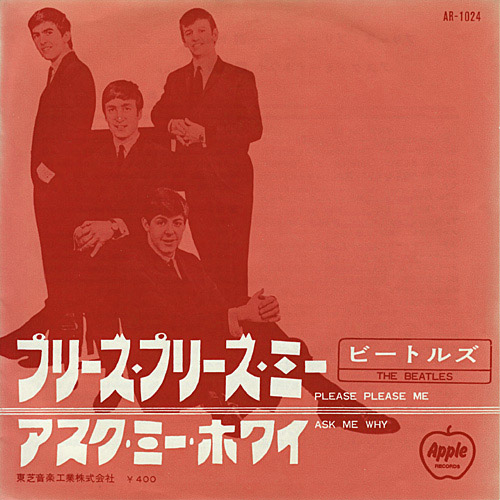 |
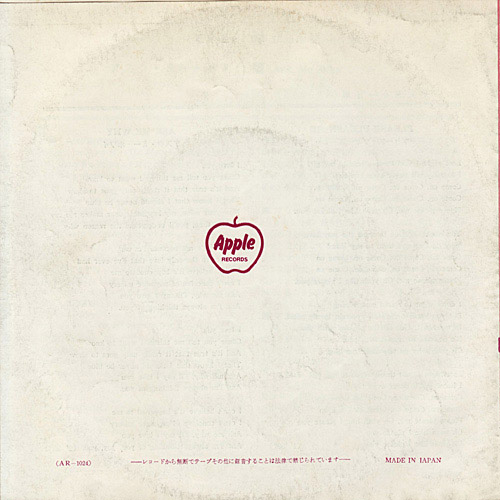 |
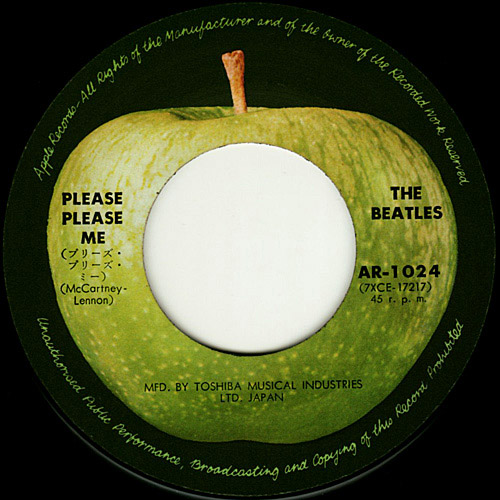 |
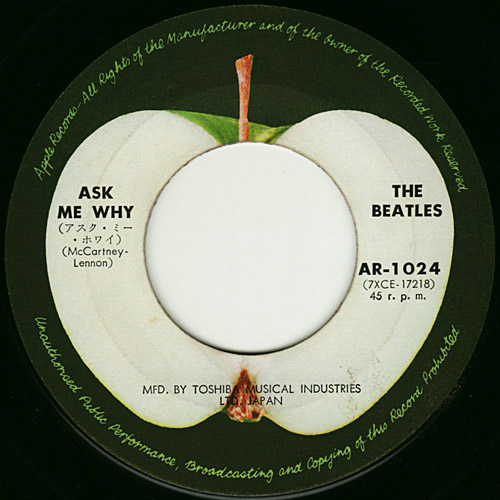 |
 |
|
|
LYRIC SHEET: INSIDE
|
INNER SLEEVE
|
|
|||
 |
 |
 |
 |
Apple releases carry AR
prefixes instead of OR. Apple logomark was printed at the bottom of the lyric sheet. |
|
|
LYRIC SHEET: FRONT
CLOSE UP
|
LYRIC SHEET: BACK CLOSE
UP
|
||||
 |
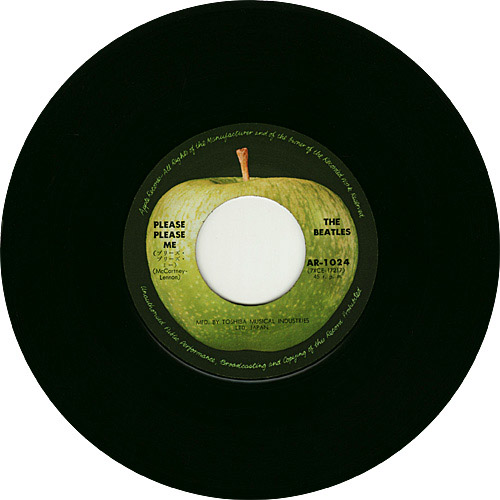
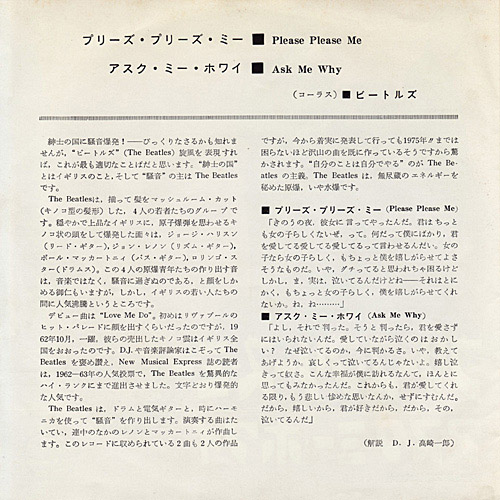
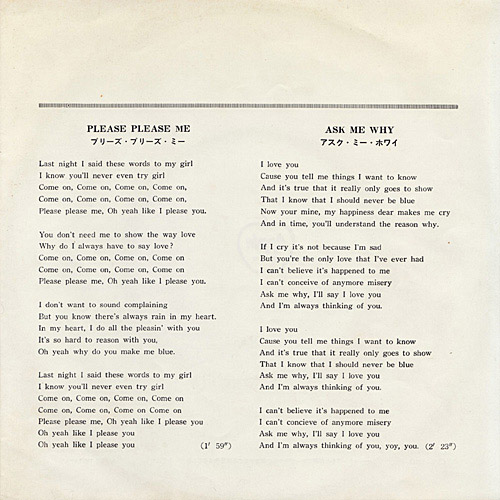
The words "Toshiba Musical Industries Ltd." and "¥400" were printed at the bottom of the lyric sheet. |  |
"MADE IN JAPAN." was printed at the lyric sheet. | ||
|
LABEL CLOSE UP
|
|||||
|
The words "MFD. BY TOSHIBA MUSICAL INDUSTRIES LTD. JAPAN" was printed at the bottom of the label. |  |
Credited to song writing "McCartney-Lennon" on both sides. | ||
|
OTHER ITEM
|
|||||
|
-
|
|||||
|
RECORD LABEL
|
Apple type 1-A | ||||
|
CATALOG NUMBER
|
AR-1024 | ||||
|
MATRIX NUMBER
|
SIDE 1
|
7XCE-17217 2S 4 | |||
|
SIDE 2
|
7XCE-17218 2S 2 | ||||
|
PRESS MARK
|
0H -> 0L | ||||
|
VINYL COLOR
|
Black | ||||
| DISK EDGE | Groove Guard | ||||
|
LYRIC SHEET STYLE
|
Bifold | ||||
|
INNER SLEEVE TYPE
|
Apple Black Sleeve | ||||
|
MIX
|
Mono | ||||
|
RECORD COMPANY'S NAME
|
COVER
|
Toshiba Ongaku kogyo Kabusikigaisha | |||
|
LABEL
|
MFD. BY TOSHIBA MUSICAL INDUSTRIES LTD. JAPAN |
||||
|
SYMBOL/PRICE
|
No symbol-400YEN | ||||
|
COMMENTS
|
Reissue of #2-8. Dark Green Apple label. In 1969, Toshiba had to reissue on the Apple label all the records previously issued on the Odeon label. And in the Apple label, there are two subtypes, TOSHIBA MUSICAL INDUSTRIES and TOSHIBA EMI. Further more, the early copies of the APPLE-TOSHIBA MUSICAL INDUSTRIES type have dark Apple on its label, though the late copies have light one. This single was manufactured two ways: both Black and Red vinyl (maybe). Credited to song writing "McCartney-Lennon" on both sides. |
||||
|
TRACK LISTING
|
SIDE 1
|
Please Please Me (McCartney-Lennon) | |||
|
SIDE 2
|
Ask Me Why (McCartney-Lennon) | ||||
|
RELEASE DATE
|
January 1972?/9th. Press | ||||
|
LYRIC SHEET (Bifold)
|
DISK -->Click! | ||||
 |
 |
 |
 |
 |
|
|
LYRIC SHEET: INSIDE
|
INNER SLEEVE
|
|
|||
 |
 |
|
 |
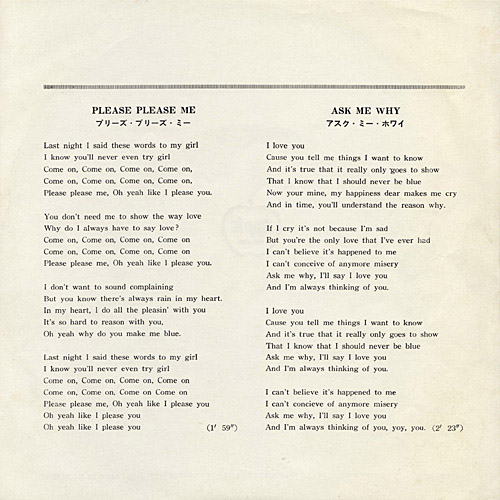
Apple logomark was printed at the bottom of the lyric sheet. | |
|
LYRIC SHEET: FRONT
CLOSE UP
|
LYRIC SHEET: BACK CLOSE
UP
|
||||
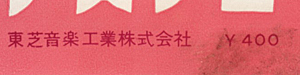 |
The words "Toshiba Musical Industries Ltd." and "¥400" were printed at the bottom of the lyric sheet. |  |
"MADE IN JAPAN" and "H" were printed at the lyric sheet. | ||
|
LABEL CLOSE UP
|
|||||
|
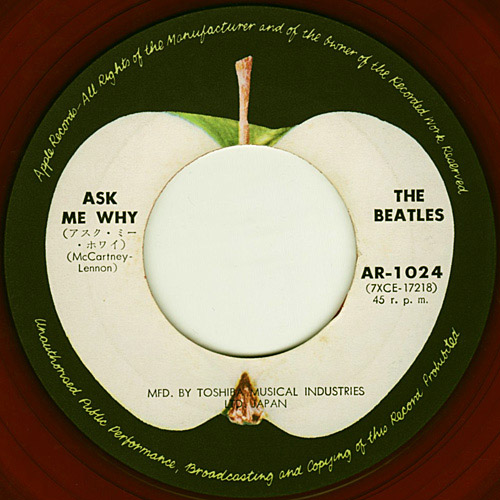
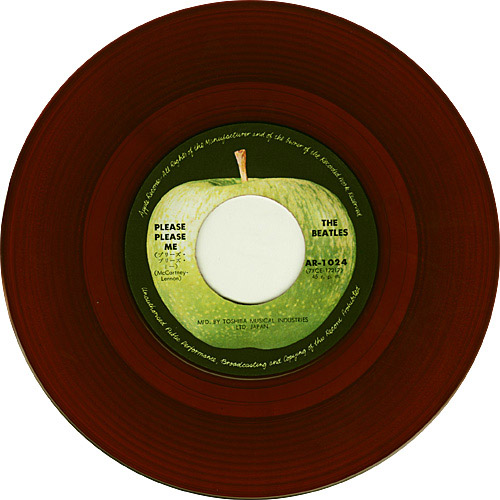
The words "MFD. BY TOSHIBA MUSICAL INDUSTRIES LTD. JAPAN" was printed at the bottom of the label. | 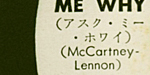 |
Credited to song writing "McCartney-Lennon" on both sides. | ||
|
OTHER ITEM
|
|||||
|
-
|
|||||
|
RECORD LABEL
|
Apple type 2-1-A | ||||
|
CATALOG NUMBER
|
AR-1024 | ||||
|
MATRIX NUMBER
|
SIDE 1
|
7XCE-17217 2S 3 | |||
|
SIDE 2
|
7XCE-17218 2S 4 | ||||
|
PRESS MARK
|
2A | ||||
|
VINYL COLOR
|
Red | ||||
| DISK EDGE | Groove Guard | ||||
|
LYRIC SHEET STYLE
|
Bifold | ||||
|
INNER SLEEVE TYPE
|
Apple Black Sleeve | ||||
|
MIX
|
Mono | ||||
|
RECORD COMPANY'S NAME
|
COVER
|
Toshiba Ongaku kogyo Kabusikigaisha | |||
|
LABEL
|
MFD. BY TOSHIBA MUSICAL INDUSTRIES LTD. JAPAN |
||||
|
SYMBOL/PRICE
|
H-400YEN | ||||
|
COMMENTS
|
Reissue of #2-9. Light Green Apple label. In 1969, Toshiba had to reissue on the Apple label all the records previously issued on the Odeon label. And in the Apple label, there are two subtypes, TOSHIBA MUSICAL INDUSTRIES and TOSHIBA EMI. Further more, the early copies of the APPLE-TOSHIBA MUSICAL INDUSTRIES type have dark Apple on its label, though the late copies have light one. This single was manufactured two ways: both Black and Red vinyl. Credited to song writing "McCartney-Lennon" on both sides. |
||||
|
TRACK LISTING
|
SIDE 1
|
Please Please Me (McCartney-Lennon) | |||
|
SIDE 2
|
Ask Me Why (McCartney-Lennon) | ||||
|
RELEASE DATE
|
July 1972?/10th. Press | ||||
|
LYRIC SHEET (Bifold)
|
SIDE 2 -->Click! | DISK -->Click! | |||
 |
 |
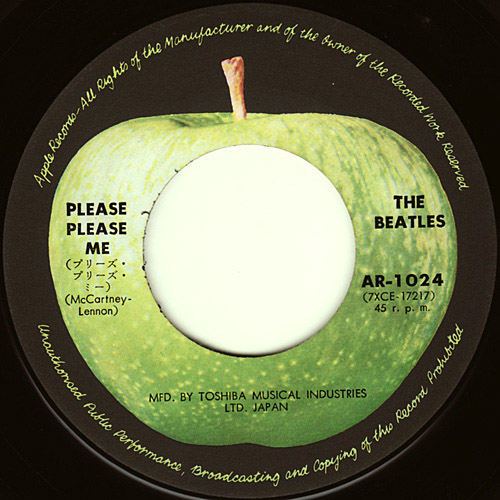 |
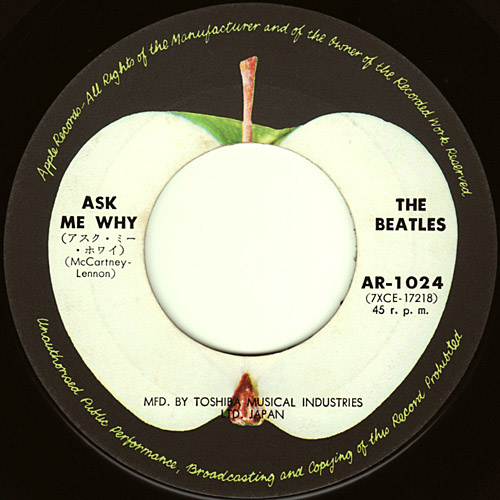 |
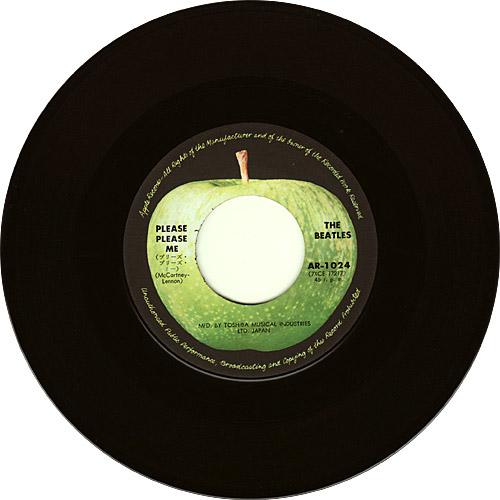 |
|
|
LYRIC SHEET: INSIDE
|
INNER SLEEVE
|
LYRIC SHEET: FRONT
CLOSE UP
|
|||
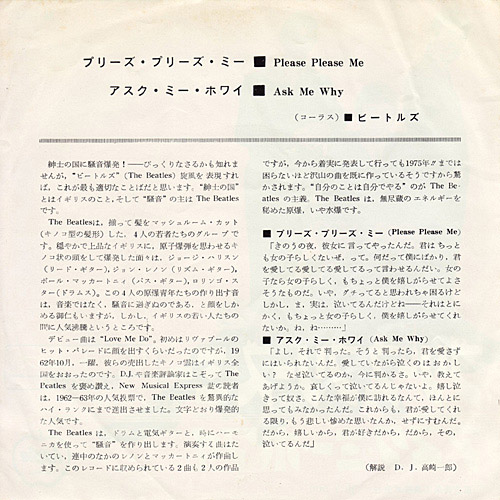 |
 |
|
|
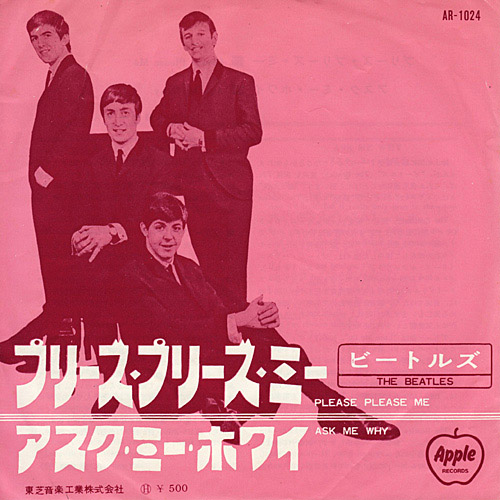
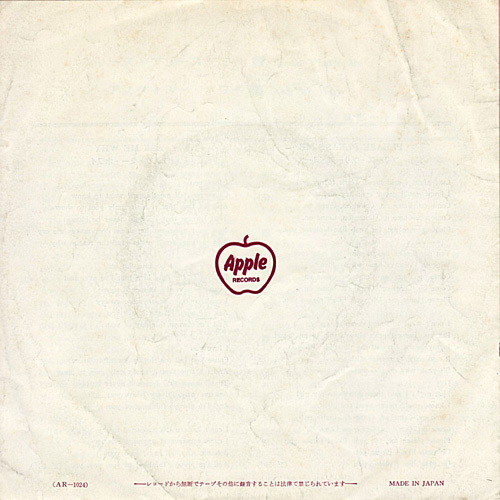
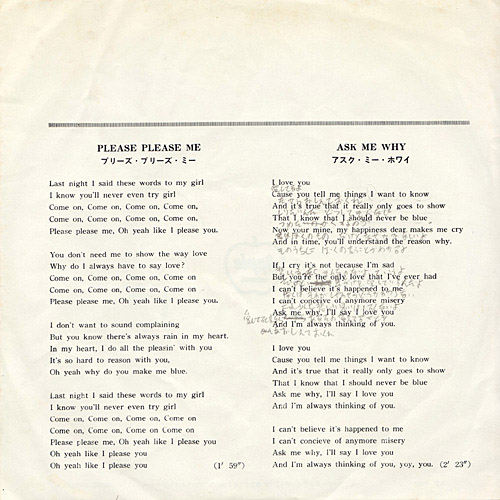
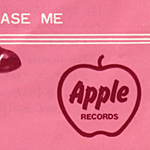
Apple logomark was printed at the top of the lyric sheet. | |
|
LYRIC SHEET: FRONT
CLOSE UP
|
LYRIC SHEET: BACK CLOSE
UP
|
||||
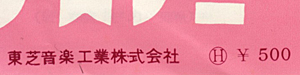 |
The words "Toshiba Musical Industries Ltd." and "H ¥500" were printed at the bottom of the lyric sheet. |  |
"MADE IN JAPAN." was printed at the back of the lyric sheet, but symbol was not printed. | ||
|
LABEL CLOSE UP
|
|||||
 |
The words "MFD. BY TOSHIBA MUSICAL INDUSTRIES LTD. JAPAN" was printed at the bottom of the label. | 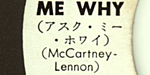 |
Credited to song writing "McCartney-Lennon" on both sides. | ||
|
OTHER ITEM
|
|||||
|
-
|
|||||
|
RECORD LABEL
|
Apple type 2-1-A | ||||
|
CATALOG NUMBER
|
AR-1024 | ||||
|
MATRIX NUMBER
|
SIDE 1
|
7XCE-17217 2S 4 | |||
|
SIDE 2
|
7XCE-17218 2S 4 | ||||
|
PRESS MARK
|
2F -> 2G | ||||
|
VINYL COLOR
|
Black | ||||
| DISK EDGE | Groove Guard | ||||
|
LYRIC SHEET STYLE
|
Bifold | ||||
|
INNER SLEEVE TYPE
|
Apple Black Sleeve | ||||
|
MIX
|
Mono | ||||
|
RECORD COMPANY'S NAME
|
COVER
|
Toshiba Ongaku kogyo Kabusikigaisha | |||
|
LABEL
|
MFD. BY TOSHIBA MUSICAL INDUSTRIES LTD. JAPAN |
||||
|
SYMBOL/PRICE
|
H-500YEN | ||||
|
COMMENTS
|
Reissue of #2-10. Light Green Apple label. In 1969, Toshiba had to reissue on the Apple label all the records previously issued on the Odeon label. And in the Apple label, there are two subtypes, TOSHIBA MUSICAL INDUSTRIES and TOSHIBA EMI. Further more, the early copies of the APPLE-TOSHIBA MUSICAL INDUSTRIES type have dark Apple on its label, though the late copies have light one. This single was manufactured two ways: both Black and Red vinyl. Credited to song writing "McCartney-Lennon" on both sides. |
||||
|
TRACK LISTING
|
SIDE 1
|
Please Please Me (McCartney-Lennon) | |||
|
SIDE 2
|
Ask Me Why (McCartney-Lennon) | ||||
|
RELEASE DATE
|
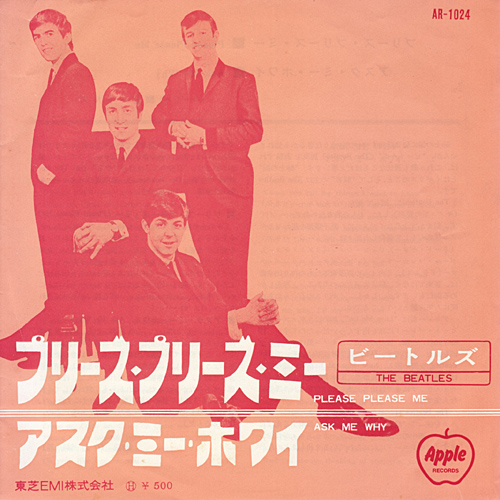
1975?/ 11th. Press | ||||
|
LYRIC SHEET (Bifold)
|
SIDE 2 -->Click! | DISK -->Click! | |||
 |
 |
 |
 |
 |
|
|
LYRIC SHEET: INSIDE
|
INNER SLEEVE
|
LYRIC SHEET: FRONT
CLOSE UP
|
|||
 |
 |
|
|
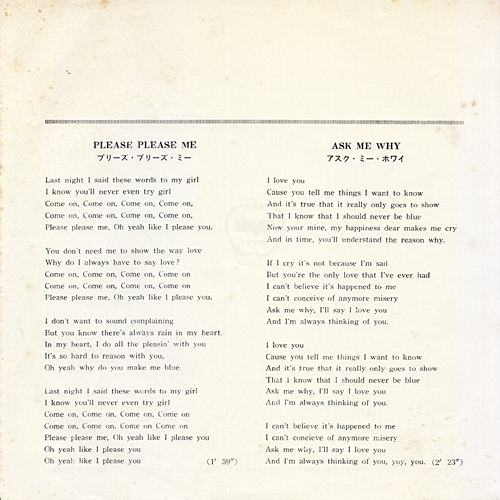
Apple logomark was printed at the top of the lyric sheet. | |
|
LYRIC SHEET: FRONT
CLOSE UP
|
LYRIC SHEET: BACK CLOSE
UP
|
||||
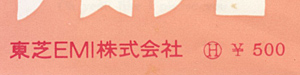 |
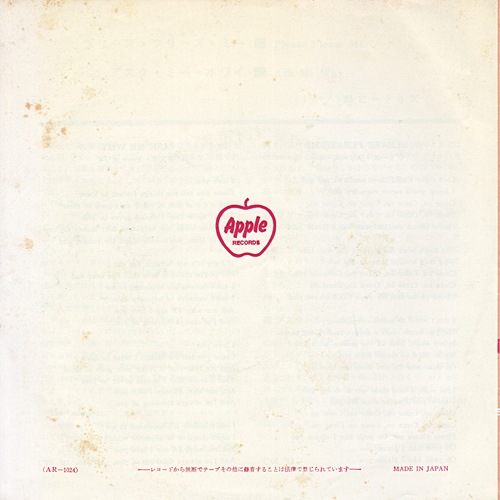
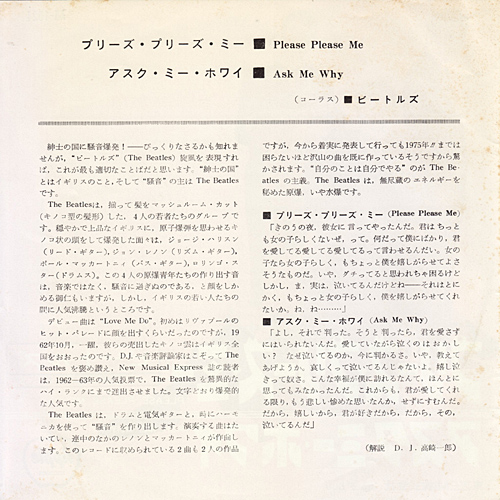
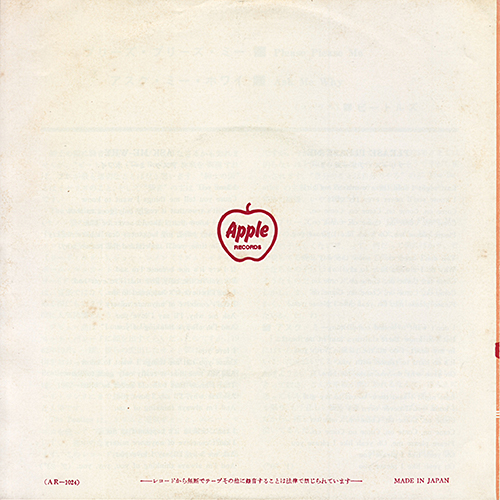
The words "Toshiba EMI Ltd." and "H ¥500" were printed at the bottom of the lyric sheet. | 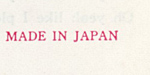 |
"MADE IN JAPAN." was printed at the back of the lyric sheet, but symbol was not printed. | ||
|
LABEL CLOSE UP
|
|||||
 |
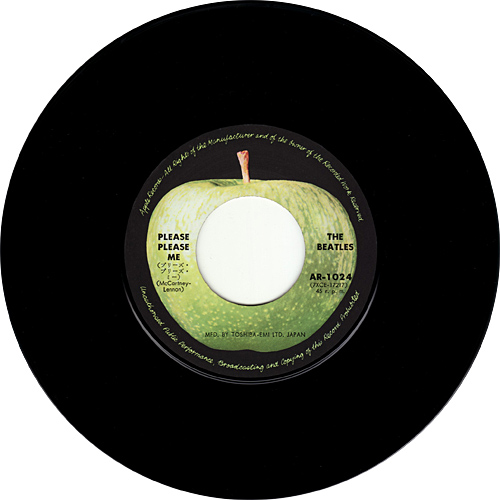
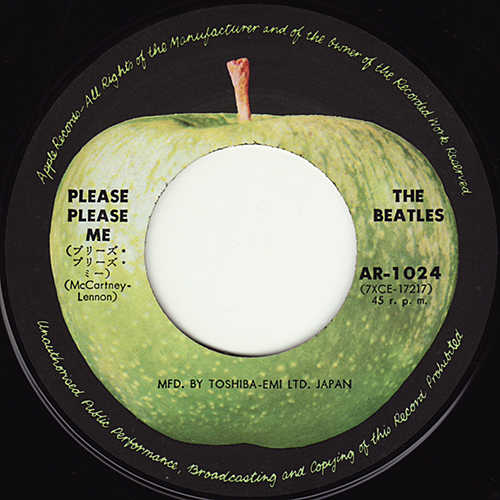
The words "MFD. BY TOSHIBA-EMI LTD. JAPAN" was printed at the bottom of the label. |  |
Credited to song writing "McCartney-Lennon" on both sides. | ||
|
OTHER ITEM
|
|||||
|
-
|
|||||
|
RECORD LABEL
|
Apple type 2-2 | ||||
|
CATALOG NUMBER
|
AR-1024 | ||||
|
MATRIX NUMBER
|
SIDE 1
|
7XCE-17217 2S 10 | |||
|
SIDE 2
|
7XCE-17218 2S 2 1 | ||||
|
PRESS MARK
|
5 - 507 (?) | ||||
|
VINYL COLOR
|
Black | ||||
| DISK EDGE | Groove Guard | ||||
|
LYRIC SHEET STYLE
|
Bifold | ||||
|
INNER SLEEVE TYPE
|
Apple Black Sleeve | ||||
|
MIX
|
Mono | ||||
|
RECORD COMPANY'S NAME
|
COVER
|
Toshiba EMI Kabusikigaisha | |||
|
LABEL
|
MFD. BY TOSHIBA-EMI LTD. JAPAN | ||||
|
SYMBOL/PRICE
|
H-500YEN | ||||
|
COMMENTS
|
Reissue of #2-11. Light Green Apple label. In 1969, Toshiba had to reissue on the Apple label all the records previously issued on the Odeon label. And in the Apple label, there are two subtypes, TOSHIBA MUSICAL INDUSTRIES and TOSHIBA EMI. Further more, the early copies of the APPLE-TOSHIBA MUSICAL INDUSTRIES type have dark Apple on its label, though the late copies have light one. This single was manufactured two ways: both Black and Red vinyl. Credited to song writing "McCartney-Lennon" on both sides. |
||||
|
TRACK LISTING
|
SIDE 1
|
Please Please Me (McCartney-Lennon) | |||
|
SIDE 2
|
Ask Me Why (McCartney-Lennon) | ||||
|
RELEASE DATE
|
1975?/12th. Press | ||||
|
LYRIC SHEET (Bifold)
|
SIDE 2 -->Click! | DISK -->Click! | |||
 |
 |
 |
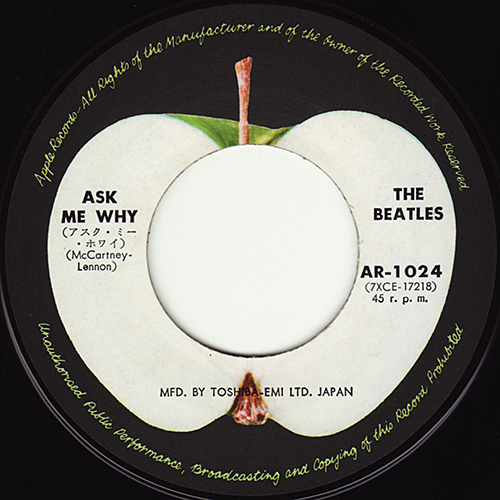 |
 |
|
|
LYRIC SHEET: INSIDE
|
INNER SLEEVE
|
LYRIC SHEET: FRONT
CLOSE UP
|
|||
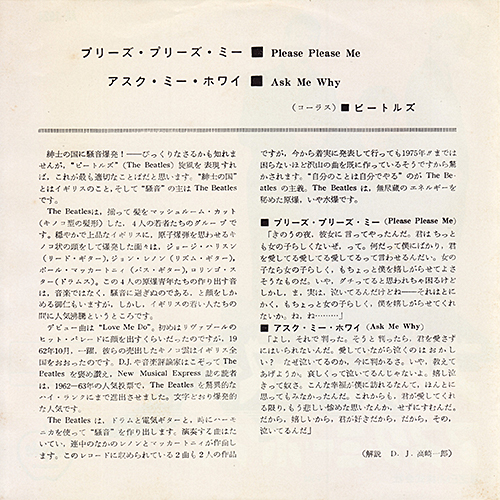 |
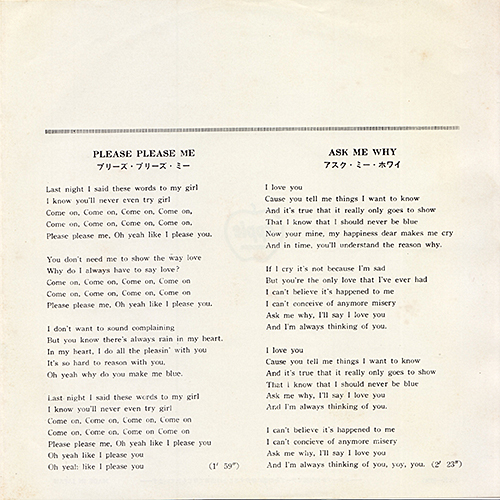 |
|
 |
Apple logomark was printed at the top of the lyric sheet. | |
|
LYRIC SHEET: FRONT
CLOSE UP
|
LYRIC SHEET: BACK CLOSE
UP
|
||||
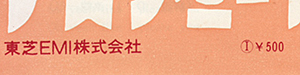 |
The words "Toshiba EMI Ltd." and "I ¥500" were printed at the bottom of the front cover. | 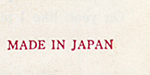 |
"MADE IN JAPAN." was printed at the back of the lyric sheet, but symbol was not printed. | ||
|
LABEL CLOSE UP
|
|||||
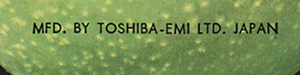 |
The words "MFD. BY TOSHIBA-EMI LTD. JAPAN" was printed at the bottom of the label. | 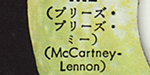 |
Credited to song writing "McCartney-Lennon" on both sides. | ||
|
OTHER ITEM
|
|||||
|
-
|
|||||
|
RECORD LABEL
|
Apple type 2-2 | ||||
|
CATALOG NUMBER
|
AR-1024 | ||||
|
MATRIX NUMBER
|
SIDE 1
|
7XCE-17217 2S 11 | |||
|
SIDE 2
|
7XCE-17218 2S2 1 | ||||
|
PRESS MARK
|
C 5 - 0 K I (?) |
||||
|
VINYL COLOR
|
Black | ||||
| DISK EDGE | Groove Guard | ||||
|
LYRIC SHEET STYLE
|
Bifold | ||||
|
INNER SLEEVE TYPE
|
Apple Black Sleeve | ||||
|
MIX
|
Mono | ||||
|
RECORD COMPANY'S NAME
|
COVER
|
Toshiba EMI Kabusikigaisha | |||
|
LABEL
|
MFD. BY TOSHIBA-EMI LTD. JAPAN | ||||
|
SYMBOL/PRICE
|
I-500YEN | ||||
|
COMMENTS
|
Reissue of #2-12. Light Green Apple label. In 1969, Toshiba had to reissue on the Apple label all the records previously issued on the Odeon label. And in the Apple label, there are two subtypes, TOSHIBA MUSICAL INDUSTRIES and TOSHIBA EMI. Further more, the early copies of the APPLE-TOSHIBA MUSICAL INDUSTRIES type have dark Apple on its label, though the late copies have light one. Credited to song writing "McCartney-Lennon" on both sides. |
||||
|
TRACK LISTING
|
SIDE 1
|
Please Please Me (McCartney-Lennon) | |||
|
SIDE 2
|
Ask Me Why (McCartney-Lennon) | ||||
|
RELEASE DATE
|
1976?/13th. Press | ||||
|
LYRIC SHEET (Bifold)
|
SIDE 2 -->Click! | DISK -->Click! | |||
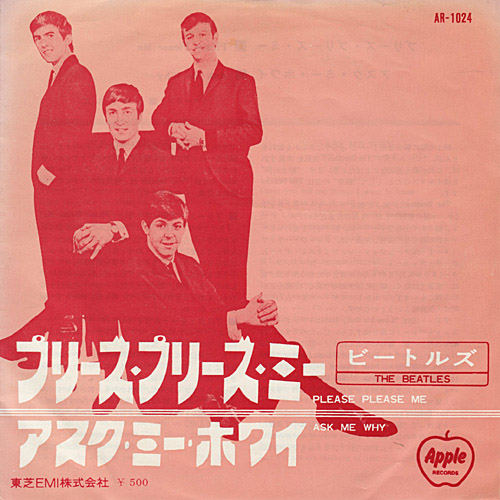 |
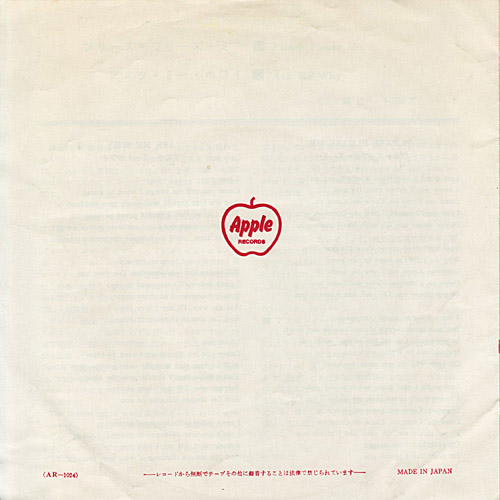 |
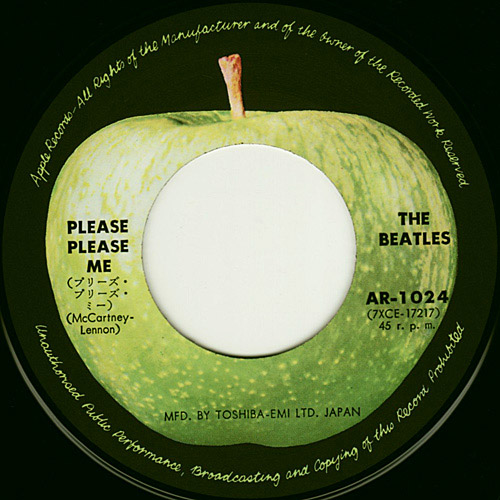 |
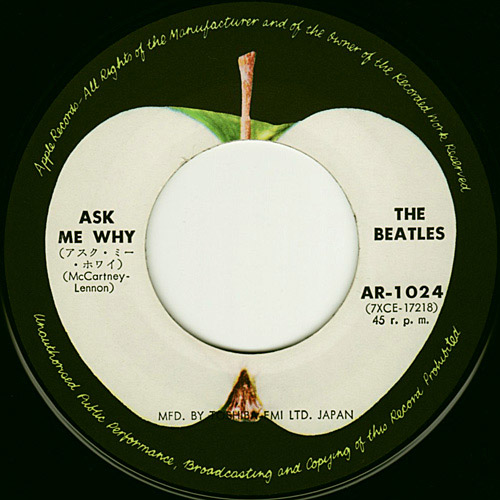 |
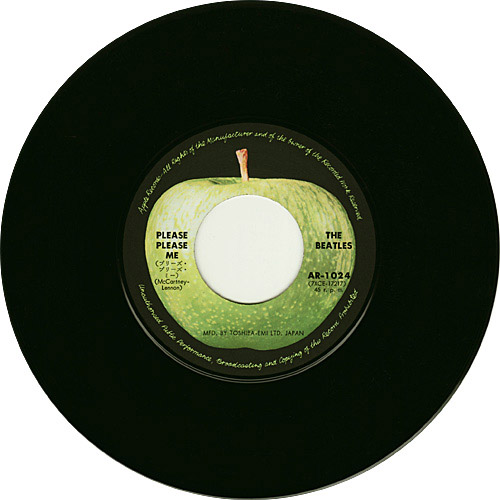 |
|
|
LYRIC SHEET: INSIDE
|
INNER SLEEVE
|
LYRIC SHEET: FRONT
CLOSE UP
|
|||
 |
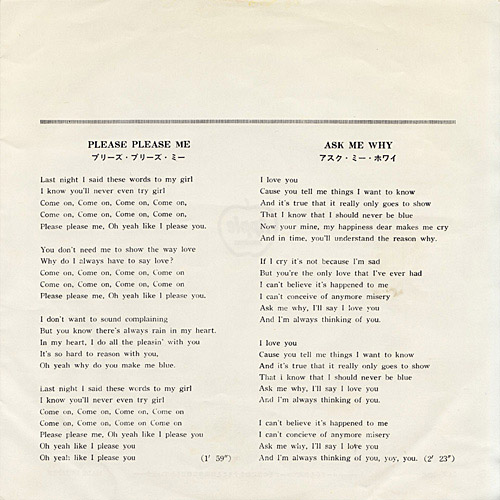 |
|
 |
Apple logomark was printed at the top of the lyric sheet. | |
|
LYRIC SHEET: FRONT
CLOSE UP
|
LYRIC SHEET: BACK CLOSE
UP
|
||||
 |
The words "Toshiba EMI Ltd." and "¥500" were printed at the bottom of the front cover. | 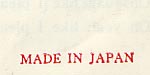 |
"MADE IN JAPAN." was printed at the back of the lyric sheet, but symbol was not printed. | ||
|
LABEL CLOSE UP
|
|||||
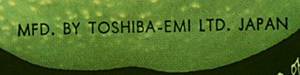 |
The words "MFD. BY TOSHIBA-EMI LTD. JAPAN" was printed at the bottom of the label. |  |
Credited to song writing "McCartney-Lennon" on both sides. | ||
|
OTHER ITEM
|
|||||
|
-
|
|||||
|
RECORD LABEL
|
Apple type 2-2 | ||||
|
CATALOG NUMBER
|
AR-1024 | ||||
|
MATRIX NUMBER
|
SIDE 1
|
7XCE-17217 2S 10 | |||
|
SIDE 2
|
7XCE-17218 2S2 1 | ||||
|
PRESS MARK
|
5-507 | ||||
|
VINYL COLOR
|
Black | ||||
| DISK EDGE | Groove Guard | ||||
|
LYRIC SHEET STYLE
|
Bifold | ||||
|
INNER SLEEVE TYPE
|
Apple Black Sleeve | ||||
|
MIX
|
Mono | ||||
|
RECORD COMPANY'S NAME
|
COVER
|
Toshiba EMI Kabusikigaisha | |||
|
LABEL
|
MFD. BY TOSHIBA-EMI LTD. JAPAN | ||||
|
SYMBOL/PRICE
|
No Symbol-500YEN | ||||
|
COMMENTS
|
Reissue of #2-13. Light Green Apple label. In 1969, Toshiba had to reissue on the Apple label all the records previously issued on the Odeon label. And in the Apple label, there are two subtypes, TOSHIBA MUSICAL INDUSTRIES and TOSHIBA EMI. Further more, the early copies of the APPLE-TOSHIBA MUSICAL INDUSTRIES type have dark Apple on its label, though the late copies have light one. Credited to song writing "McCartney-Lennon" on both sides. |
||||
|
TRACK LISTING
|
SIDE 1
|
She Loves You (Lennon-McCartney) | |||
|
SIDE 2
|
I'll Get You (Lennon-McCartney) | ||||
|
RELEASE DATE
|
5th April.1964/First Press | ||||
|
LYRIC SHEET (Bifold)
|
DISK -->Click! | ||||
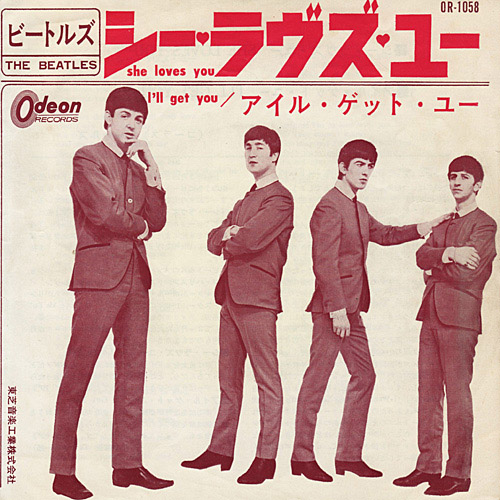 |
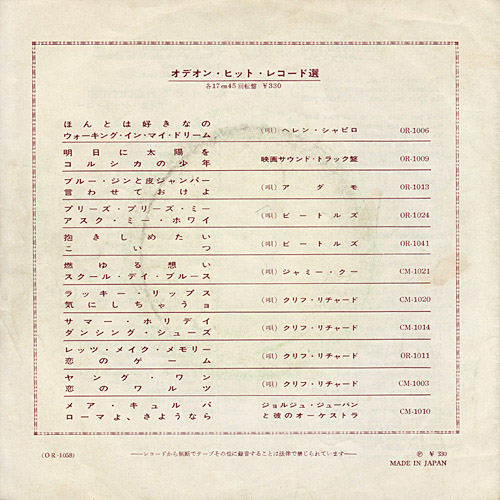 |
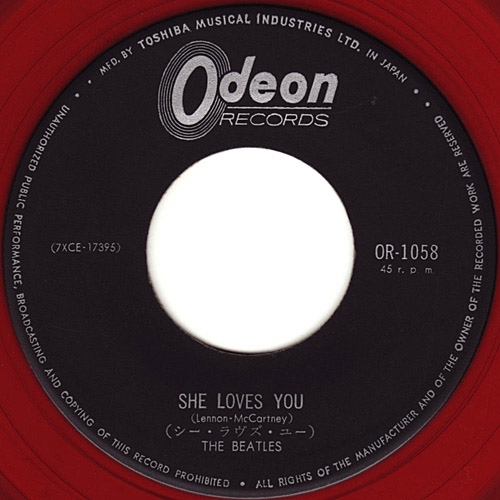 |
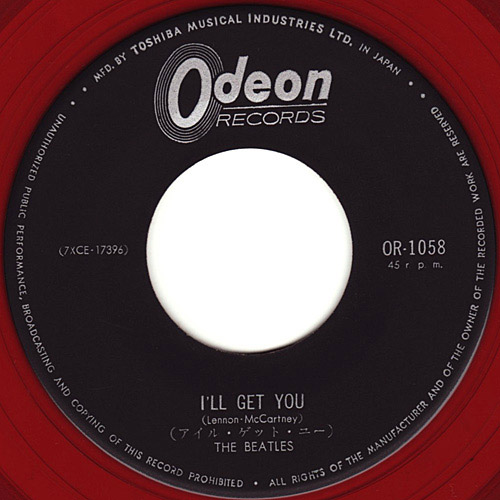 |
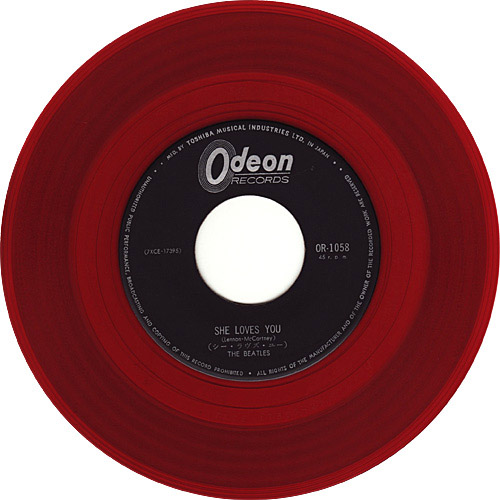 |
|
|
LYRIC SHEET: INSIDE
|
INNER SLEEVE
|
LYRIC SHEET: FRONT
CLOSE UP
|
|||
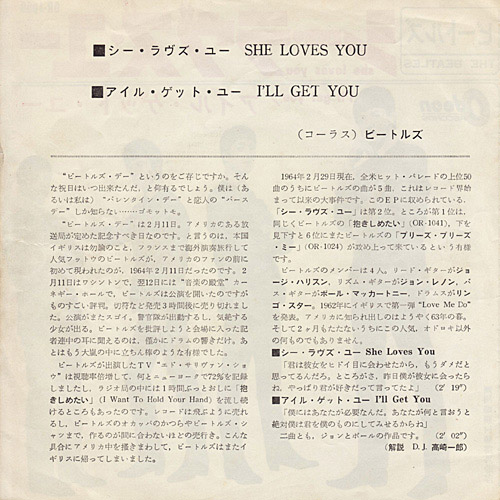 |
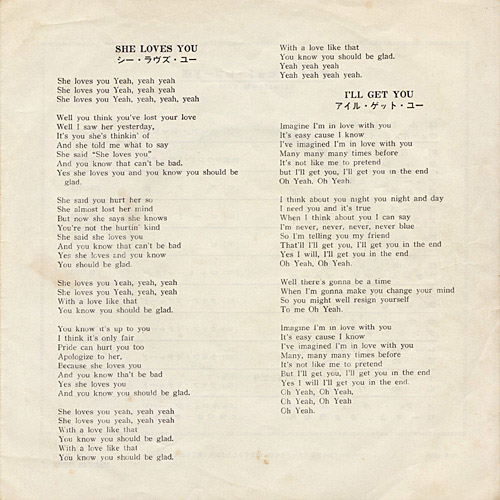 |
|
 |
Odeon logomark was printed at the top of the lyric sheet. | |
|
LYRIC SHEET: FRONT
CLOSE UP
|
LYRIC SHEET: BACK CLOSE
UP
|
LABEL CLOSE UP | |||
 |
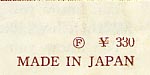 |
|
|||
|
The words "Toshiba Musical Industries Ltd."
was printed at theleft side of the lyric sheet.
|
"MADE IN JAPAN" and "F-¥330" were printed
at
the bottom of the lyric sheet.
|
The words "MFD. BY TOSHIBA MUSICAL INDUSTRIES LTD. IN JAPAN" was printed at the perimeter. | |||
|
OTHER ITEM
|
|||||
|
-
|
|||||
|
RECORD LABEL
|
Odeon type 1 | ||||
|
CATALOG NUMBER
|
OR-1058 | ||||
|
MATRIX NUMBER |
SIDE 1
|
7XCE-17395-21 2 | |||
|
SIDE 2
|
7XCE-17396-21 2 | ||||
|
PRESS MARK
|
D4 | ||||
|
VINYL COLOR
|
Red | ||||
| DISK EDGE | Flat Edge | ||||
|
LYRIC SHEET STYLE
|
Bifold | ||||
|
INNER SLEEVE TYPE
|
Toshiba Records Sleeve type 1 | ||||
|
MIX
|
Mono | ||||
|
RECORD COMPANY'S NAME
|
COVER
|
Toshiba Ongaku kogyo Kabusikigaisha | |||
|
LABEL
|
MFD. BY TOSHIBA MUSICAL INDUSTRIES LTD. IN JAPAN | ||||
|
SYMBOL/PRICE
|
F-330YEN | ||||
|
COMMENTS
|
Toshiba's official name
was "Toshiba Musical Industries Ltd." and they used the Odeon label for
the Beatles releases. This single was manufactured two ways: both Black and Red vinyl. |
||||
|
TRACK LISTING
|
SIDE 1
|
She Loves You (Lennon-McCartney) | |||
|
SIDE 2
|
I'll Get You (Lennon-McCartney) | ||||
|
RELEASE DATE
|
5th April.1964/First Press | ||||
|
LYRIC SHEET (Bifold)
|
DISK -->Click! | ||||
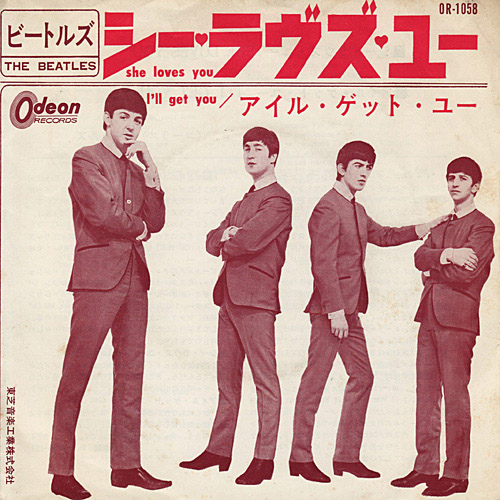 |
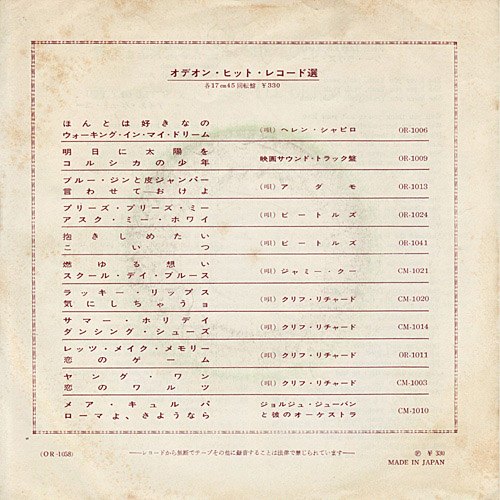 |
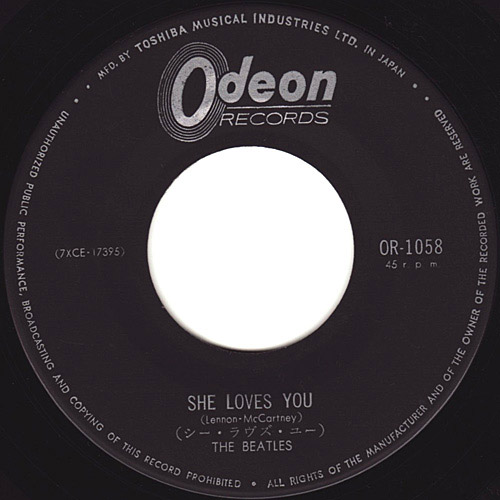 |
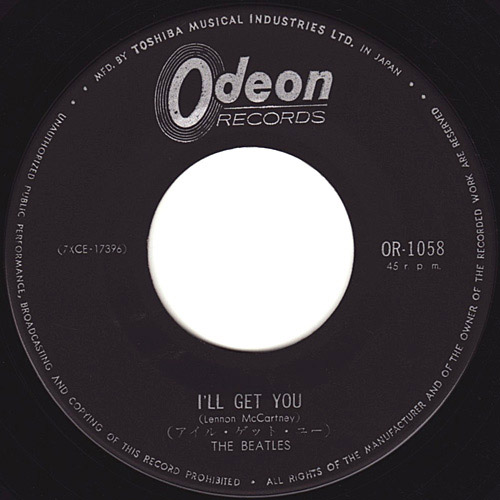 |
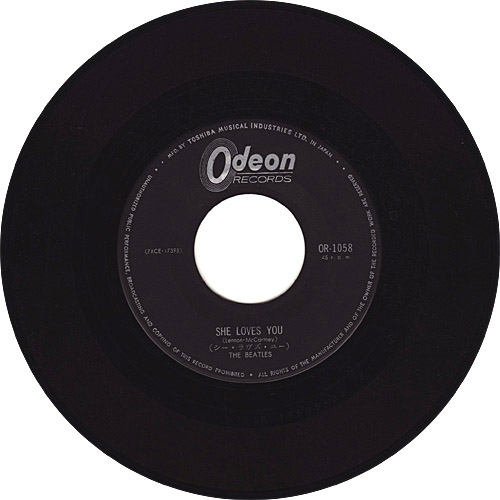 |
|
|
LYRIC SHEET: INSIDE
|
INNER SLEEVE
|
LYRIC SHEET: FRONT
CLOSE UP
|
|||
|
|
|
|
Odeon logomark was printed at the top of the lyric sheet. | |
|
LYRIC SHEET: FRONT
CLOSE UP
|
LYRIC SHEET: BACK CLOSE
UP
|
LABEL CLOSE UP | |||
|
|
|
|||
|
The words "Toshiba Musical Industries Ltd."
was printed at the bottom of the lyric sheet.
|
"MADE IN JAPAN" and "F-¥330" were printed
at
the bottom of the lyric sheet.
|
The words "MFD. BY TOSHIBA MUSICAL INDUSTRIES LTD. IN JAPAN" was printed at the perimeter. | |||
|
OTHER ITEM
|
|||||
|
-
|
|||||
|
RECORD LABEL
|
Odeon type 1 | ||||
|
CATALOG NUMBER
|
OR-1058 | ||||
|
MATRIX NUMBER |
SIDE 1
|
7XCE-17395-22 6 | |||
|
SIDE 2
|
7XCE-17396-22 6 | ||||
|
PRESS MARK
|
D4 | ||||
|
VINYL COLOR
|
Black | ||||
| DISK EDGE | Flat Edge | ||||
|
LYRIC SHEET STYLE
|
Bifold | ||||
|
INNER SLEEVE TYPE
|
Toshiba Records Sleeve type 1 | ||||
|
MIX
|
Mono | ||||
|
RECORD COMPANY'S NAME
|
COVER
|
Toshiba Ongaku kogyo Kabusikigaisha | |||
|
LABEL
|
MFD. BY TOSHIBA MUSICAL INDUSTRIES LTD. IN JAPAN | ||||
|
SYMBOL/PRICE
|
F-330YEN | ||||
|
COMMENTS
|
Toshiba's official name
was "Toshiba Musical Industries Ltd." and they used the Odeon label for
the Beatles releases. This single was manufactured two ways: both Black and Red vinyl. |
||||
|
TRACK LISTING
|
SIDE 1
|
She Loves You (Lennon-McCartney) | |||
|
SIDE 2
|
I'll Get You (Lennon-McCartney) | ||||
|
RELEASE DATE
|
November 1967? / Second Press | ||||
|
LYRIC SHEET (Bifold)
|
DISK -->Click! | ||||
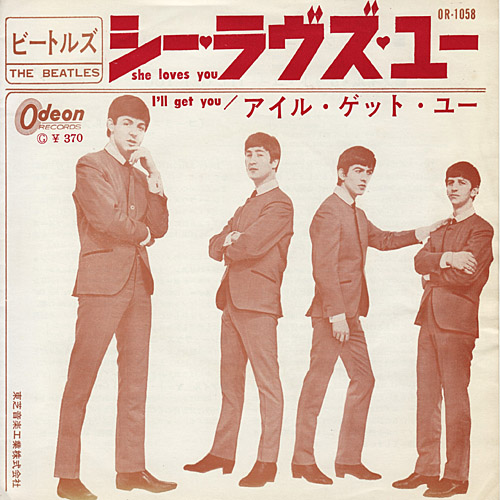 |
 |
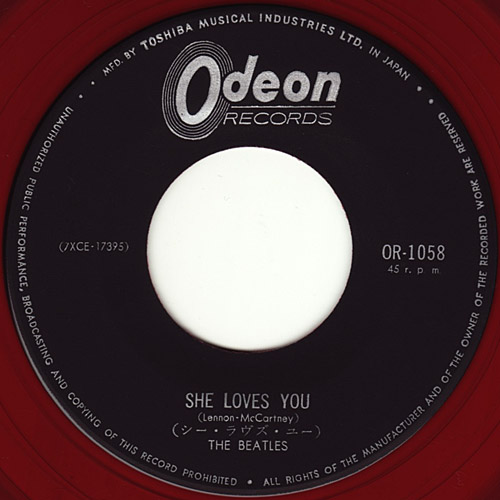 |
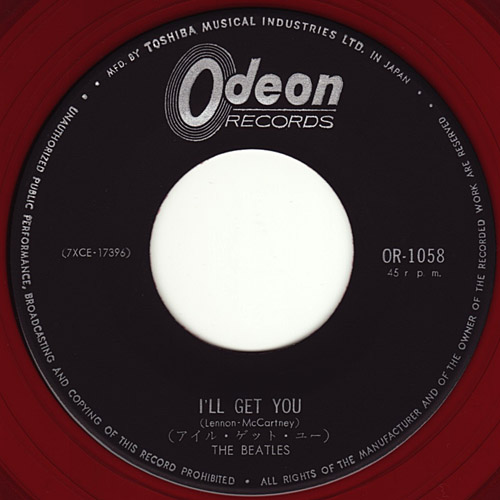 |
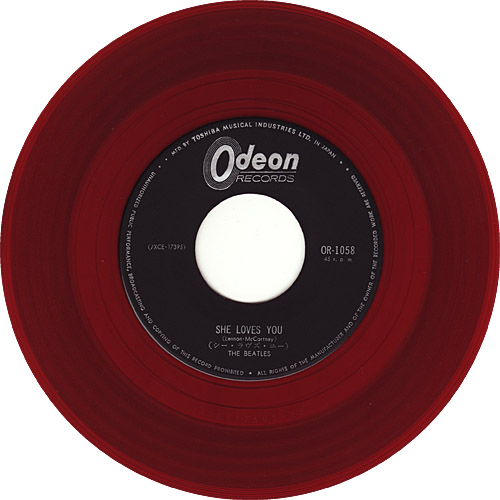 |
|
|
LYRIC SHEET: INSIDE
|
INNER SLEEVE
|
LYRIC SHEET: FRONT
CLOSE UP
|
|||
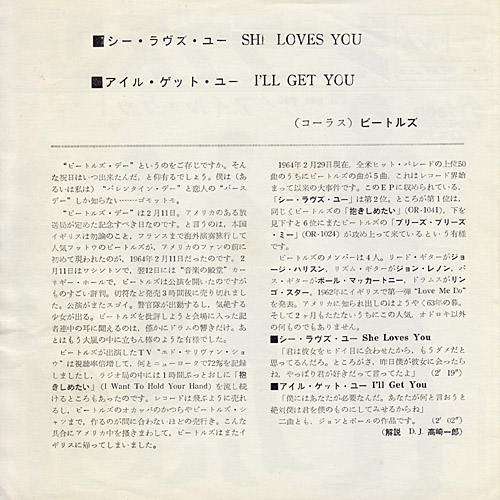 |
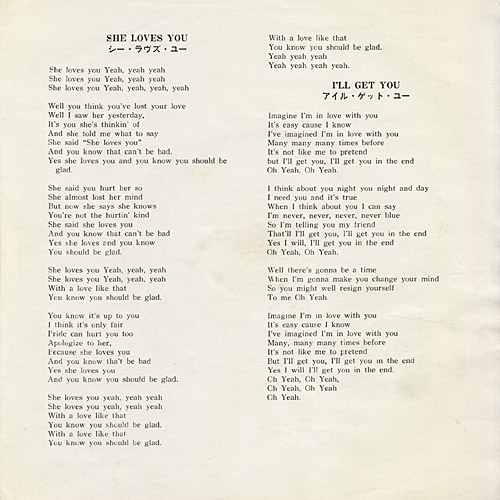 |
|
 |
Odeon logomark and "G-¥370" were printed at the upper left corner of the lyric sheet. | |
|
LYRIC SHEET: FRONT
CLOSE UP
|
LYRIC SHEET: BACK CLOSE UP | ||||
 |
 |
 |
|||
|
The words "Toshiba Musical Industries Ltd."
was printed at the bottom of the lyric sheet.
|
Catalog No. "OR-1058" was
printed at the top of the
lyric sheet.
|
Odeon logomark was printed in red ink at the center of the back cover. | |||
| LYRIC SHEET: BACK CLOSE UP | LABEL CLOSE UP | ||||
 |
"MADE IN JAPAN" was printed at the bottom of the lyric sheet. | |
The words "MFD. BY TOSHIBA MUSICAL INDUSTRIES LTD. IN JAPAN" was printed at the perimeter. | ||
|
OTHER ITEM
|
|||||
|
-
|
|||||
|
RECORD LABEL
|
Odeon type 1 | ||||
|
CATALOG NUMBER
|
OR-1058 | ||||
|
MATRIX NUMBER |
SIDE 1
|
7XCE-17395-22 11 | |||
|
SIDE 2
|
7XCE-17396-22 11 | ||||
|
PRESS MARK
|
H6 -> J6 -> 7L | ||||
|
VINYL COLOR
|
Red | ||||
| DISK EDGE | Flat Edge | ||||
|
LYRIC SHEET STYLE
|
Bifold | ||||
|
INNER SLEEVE TYPE
|
Toshiba Records Sleeve type 1 | ||||
|
MIX
|
Mono | ||||
|
RECORD COMPANY'S NAME
|
COVER
|
Toshiba Ongaku kogyo Kabusikigaisha | |||
|
LABEL
|
MFD. BY TOSHIBA MUSICAL INDUSTRIES LTD. IN JAPAN | ||||
|
SYMBOL/PRICE
|
G-370YEN | ||||
|
COMMENTS
|
Reissue of #3-1. Odeon logomark and "G-¥370" were printed at the upper left corner of the lyric sheet. Odeon logomark was printed in red ink at the center of the back of the lyric sheet. This single was manufactured two ways: both Black and Red vinyl. |
||||
|
TRACK LISTING
|
SIDE 1
|
She Loves You (Lennon-McCartney) | |||
|
SIDE 2
|
I'll Get You (Lennon-McCartney) | ||||
|
RELEASE DATE
|
August 1968? / Third Press | ||||
|
LYRIC SHEET (Bifold)
|
DISK -->Click! | ||||
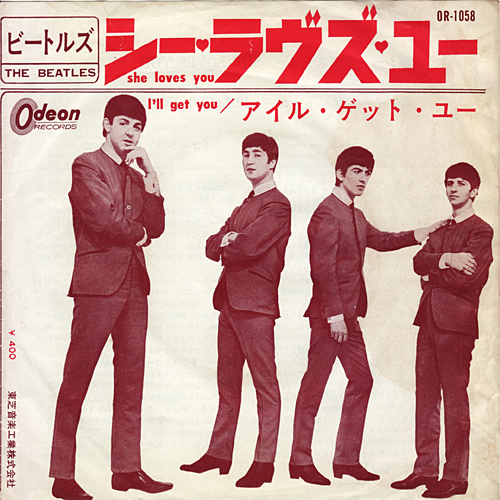 |
 |
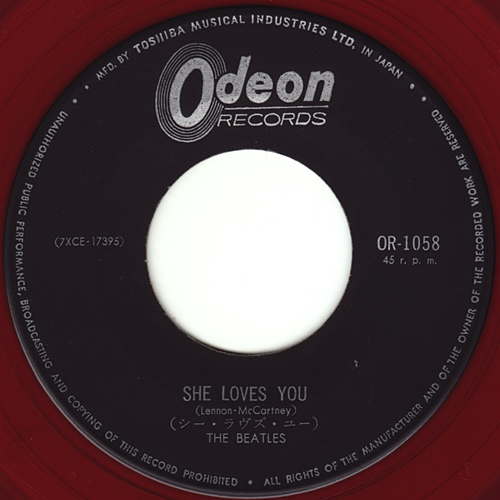 |
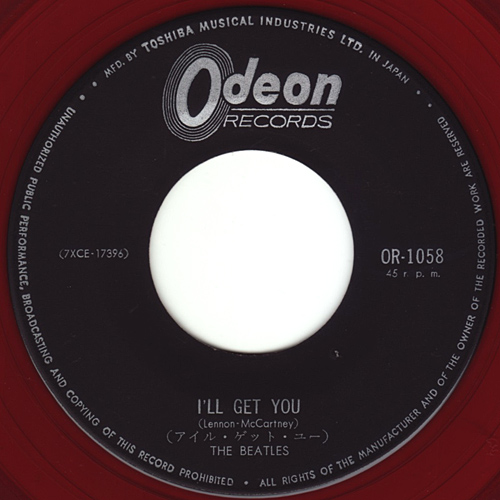 |
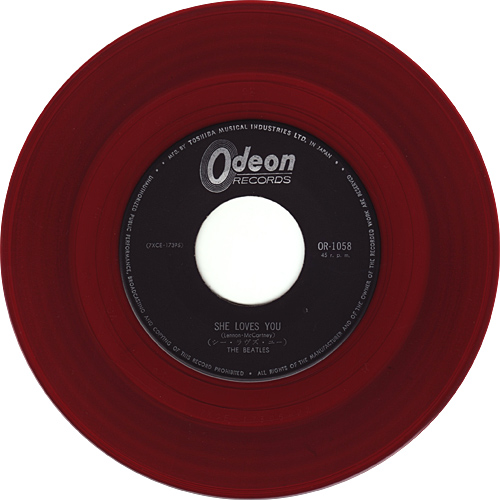 |
|
|
LYRIC SHEET: INSIDE
|
LYRIC SHEET: FRONT
CLOSE UP
|
||||
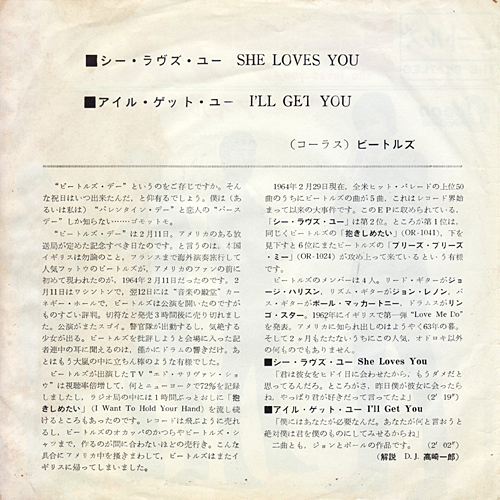 |
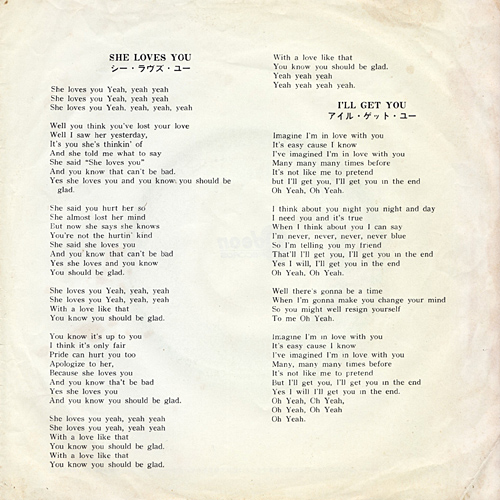 |
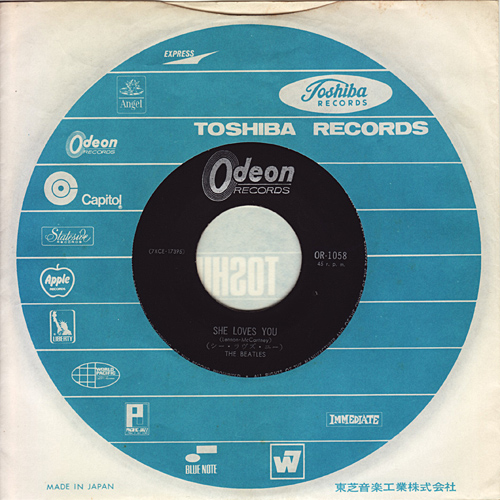 |
 |
Odeon logomark was printed at the upper left corner of the lyric sheet. | |
|
LYRIC SHEET: FRONT
CLOSE UP
|
LYRIC SHEET: BACK CLOSE UP | ||||
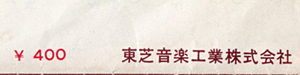 |
 |
 |
|||
|
The words "Toshiba Musical Industries Ltd."
and "¥ 400" were printed at
the bottom of the lyric sheet.
|
Catalog No. "OR-1058" was
printed at the top of the
lyric sheet.
|
Odeon logomark was printed in brown ink at the center of the back cover. | |||
| LYRIC SHEET: BACK CLOSE UP | LABEL CLOSE UP | ||||
 |
"MADE IN JAPAN" and "H" were printed at the bottom of the lyric sheet. | |
The words "MFD. BY TOSHIBA MUSICAL INDUSTRIES LTD. IN JAPAN" was printed at the perimeter. | ||
|
OTHER ITEM
|
|||||
|
-
|
|||||
|
RECORD LABEL
|
Odeon type 1 | ||||
|
CATALOG NUMBER
|
OR-1058 | ||||
|
MATRIX NUMBER |
SIDE 1
|
7XCE-17395-22 11 | |||
|
SIDE 2
|
7XCE-17396-22 11 | ||||
|
PRESS MARK
|
H6 -> J6 -> 7L -> 8A -> 8B -> 8F -> 8H(?) | ||||
|
VINYL COLOR
|
Red | ||||
| DISK EDGE | Groove Guard | ||||
|
LYRIC SHEET STYLE
|
Bifold | ||||
|
INNER SLEEVE TYPE
|
Toshiba Records Sleeve type 2-2 (added "Apple" logo type.) | ||||
|
MIX
|
Mono | ||||
|
RECORD COMPANY'S NAME
|
COVER
|
Toshiba Ongaku kogyo Kabusikigaisha | |||
|
LABEL
|
MFD. BY TOSHIBA MUSICAL INDUSTRIES LTD. IN JAPAN | ||||
|
SYMBOL/PRICE
|
H-400YEN | ||||
|
COMMENTS
|
Reissue of #3-3. Odeon logomark and "H-¥400" were printed at the upper left corner of the lyric sheet. Odeon logomark was printed in brown ink at the center of the back of the lyric sheet. This single was manufactured two ways: both Black and Red vinyl. |
||||
|
TRACK LISTING
|
SIDE 1
|
She Loves You (Lennon-McCartney) | |||
|
SIDE 2
|
I'll Get You (Lennon-McCartney) | ||||
|
RELEASE DATE
|
May 1969? /4th. Press | ||||
|
LYRIC SHEET (Bifold)
|
DISK -->Click! | ||||
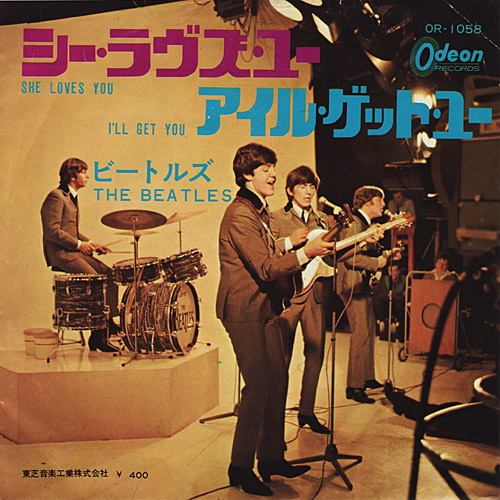 |
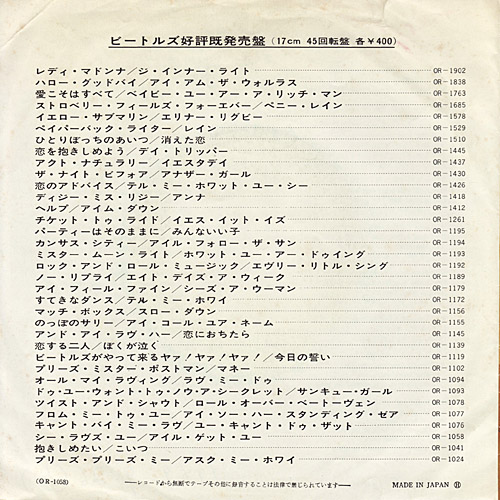 |
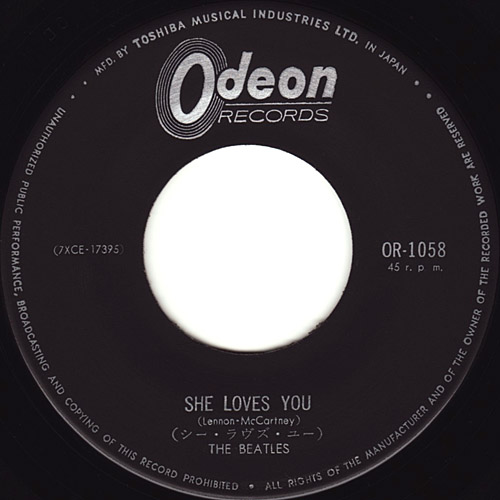 |
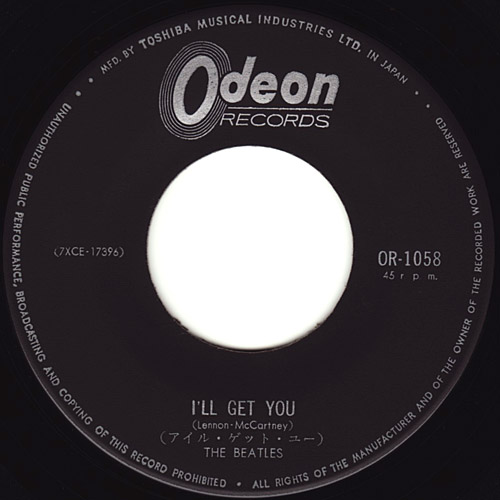 |
 |
|
|
LYRIC SHEET: INSIDE
|
LABEL CLOSE UP
|
||||
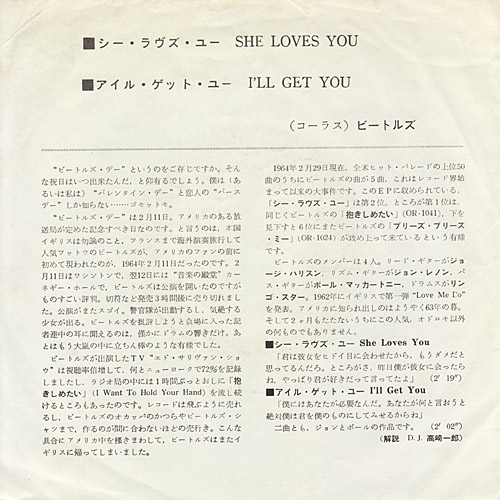 |
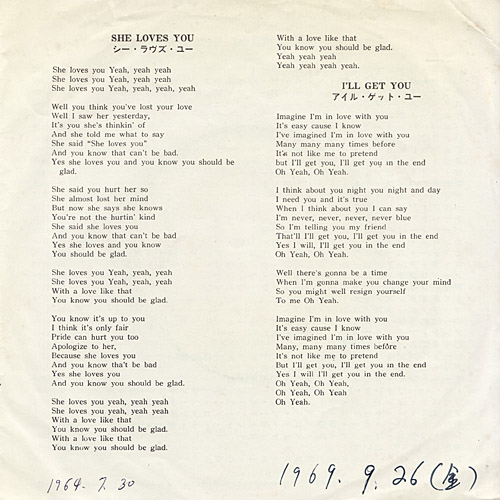 |
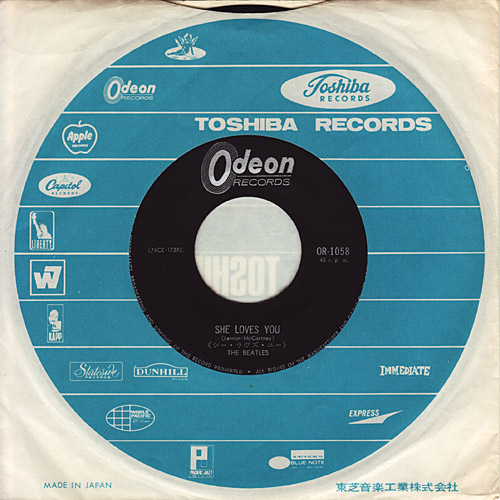 |
|
||
| The words "MFD. BY TOSHIBA MUSICAL INDUSTRIES LTD. IN JAPAN" was printed at the perimeter. | |||||
|
LYRIC SHEET: FRONT
CLOSE UP
|
LYRIC SHEET: BACK CLOSE UP | ||||
 |
Odeon logomark and catalog No. "OR-1058" were printed at the top of the lyric sheet. | 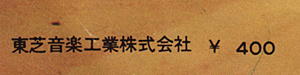 |
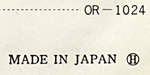 |
||
| The words "Toshiba Musical Industries Ltd." and "¥400"were printed at the bottom of the lyric sheet. | "MADE IN JAPAN" and "H" were printed at the bottom of the lyric sheet. | ||||
| LYRIC SHEET: BACK CLOSE UP | |||||
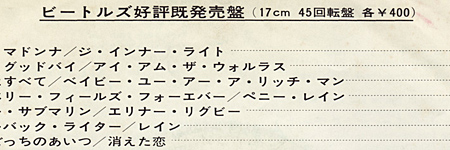 |
"The
Beatles' Single Records in Japan / each ¥400" were introduced at
the back of the lyric sheet. ex.) Lady Madonna / The Inner Light........OR-1902 Hello Goodbye / I Am The Walrus...OR-1838 All You Need Is Love / Baby, You're A Rich Man...OR-1763 |
||||
|
OTHER ITEM
|
|||||
|
-
|
|||||
|
RECORD LABEL
|
Odeon type 1 | ||||
|
CATALOG NUMBER
|
OR-1058 | ||||
|
MATRIX NUMBER |
SIDE 1
|
7XCE-17395 2S 2 | |||
|
SIDE 2
|
7XCE-17396 2S 1 | ||||
|
PRESS MARK
|
8M -> 9E | ||||
|
VINYL COLOR
|
Black | ||||
| DISK EDGE | Groove Guard | ||||
|
LYRIC SHEET STYLE
|
Bifold | ||||
|
INNER SLEEVE TYPE
|
Toshiba Records Sleeve type 2-3 (added "Dunhill Recording" logo type.) | ||||
|
MIX
|
Mono | ||||
|
RECORD COMPANY'S NAME
|
COVER
|
Toshiba Ongaku kogyo Kabusikigaisha | |||
|
LABEL
|
MFD. BY TOSHIBA MUSICAL INDUSTRIES LTD. IN JAPAN | ||||
|
SYMBOL/PRICE
|
H-400YEN | ||||
|
COMMENTS
|
Odeon 2nd. sleeve. Reissue of #3-4 with a different cover but with an identical record. The words "Toshiba Musical Industries Ltd." and "¥400"were printed at the bottom of the lyric sheet. "The Beatles' Single Records in Japan" were introduced at the back of the lyric sheet. This single was manufactured two ways: both Black and Red vinyl (maybe). |
||||
|
TRACK LISTING
|
SIDE 1
|
She Loves You (Lennon-McCartney) | |||
|
SIDE 2
|
I'll Get You (Lennon-McCartney) | ||||
|
RELEASE DATE
|
November 1969?/5th. Press | ||||
|
LYRIC SHEET (Bifold)
|
DISK -->Click! | ||||
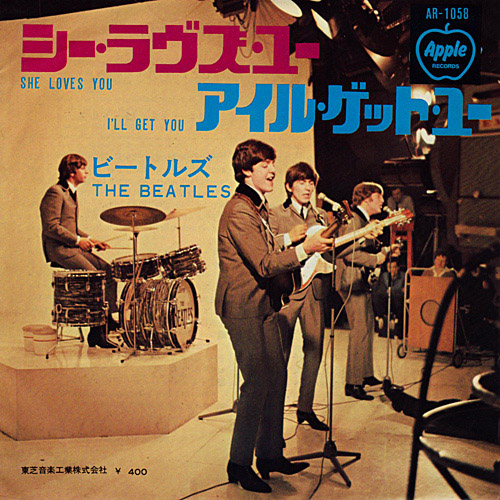 |
 |
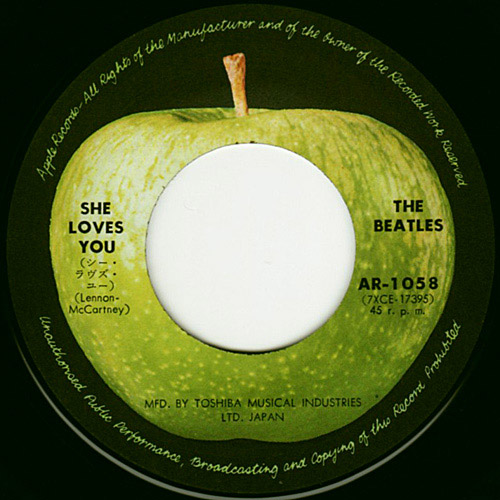 |
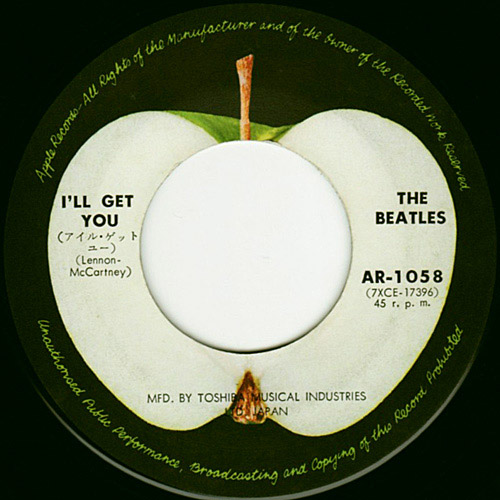 |
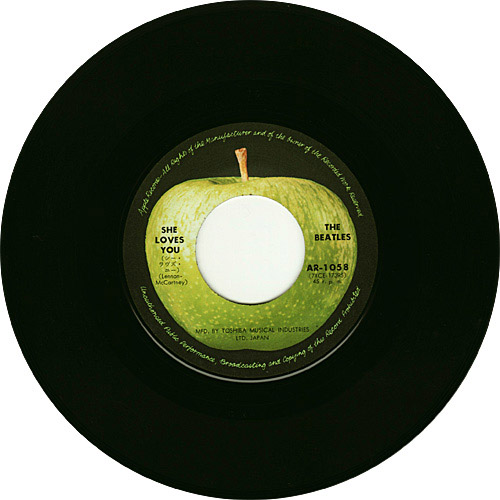 |
|
|
LYRIC SHEET: INSIDE
|
INNER SLEEVE
|
|
|||
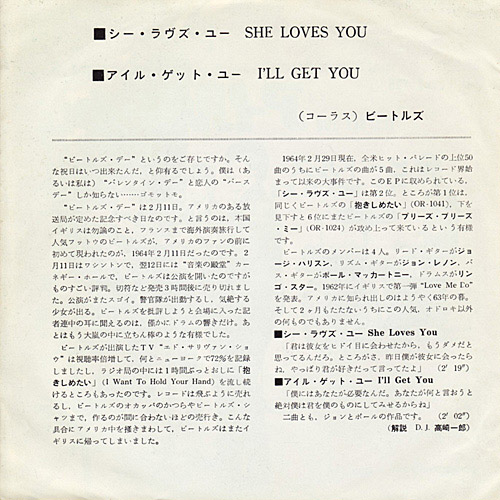 |
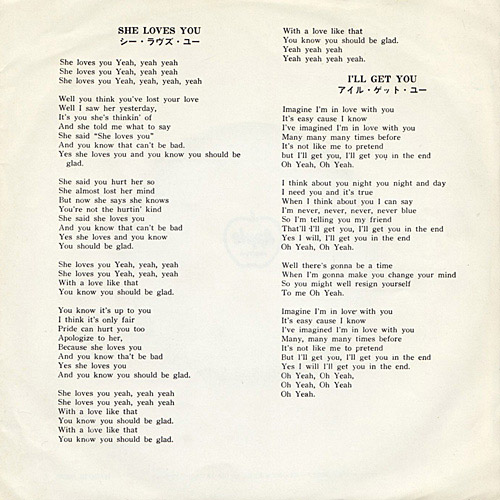 |
|
 |
Apple releases carry AR
prefixes instead of OR. Apple logomark and catalog No. "AR-1058" were printed at the right corner of the lyric sheet. |
|
|
LYRIC SHEET: FRONT
CLOSE UP
|
LYRIC SHEET: BACK CLOSE
UP
|
LABEL CLOSE UP
|
|||
 |
|
|
|||
|
The words "Toshiba Musical Industries Ltd."
and "¥400" were printed at the bottom of the lyric sheet.
|
"MADE IN JAPAN." and "H" were printed at the
lyric sheet.
|
The words "MFD. BY TOSHIBA MUSICAL INDUSTRIES
LTD. JAPAN" was printed at the bottom of the label.
|
|||
|
OTHER ITEM
|
|||||
|
-
|
|||||
|
RECORD LABEL
|
Apple type 1-A | ||||
|
CATALOG NUMBER
|
AR-1058 | ||||
|
MATRIX NUMBER
|
SIDE 1
|
7XCE X-17395 2S | |||
|
SIDE 2
|
7XCE-17396 2S | ||||
|
PRESS MARK
|
9J -> 9L | ||||
|
VINYL COLOR
|
Black | ||||
| DISK EDGE | Groove Guard | ||||
|
LYRIC SHEET STYLE
|
Bifold | ||||
|
INNER SLEEVE TYPE
|
Apple Black Sleeve | ||||
|
MIX
|
Mono | ||||
|
RECORD COMPANY'S NAME
|
COVER
|
Toshiba Ongaku kogyo Kabusikigaisha | |||
|
LABEL
|
MFD. BY TOSHIBA MUSICAL INDUSTRIES LTD. JAPAN |
||||
|
SYMBOL/PRICE
|
H-400YEN | ||||
|
COMMENTS
|
Reissue of #3-4. Dark Green Apple label. In 1969, Toshiba had to reissue on the Apple label all the records previously issued on the Odeon label. And in the Apple label, there are two subtypes, TOSHIBA MUSICAL INDUSTRIES and TOSHIBA EMI. Further more, the early copies of the APPLE-TOSHIBA MUSICAL INDUSTRIES type have dark Apple on its label, though the late copies have light one. This single was manufactured two ways: both Black and Red vinyl (maybe). |
||||
|
TRACK LISTING
|
SIDE 1
|
She Loves You (Lennon-McCartney) | |||
|
SIDE 2
|
I'll Get You (Lennon-McCartney) | ||||
|
RELEASE DATE
|
August 1973?/6th. Press | ||||
|
LYRIC SHEET (Bifold)
|
SIDE 2 -->Click! | DISK -->Click! | |||
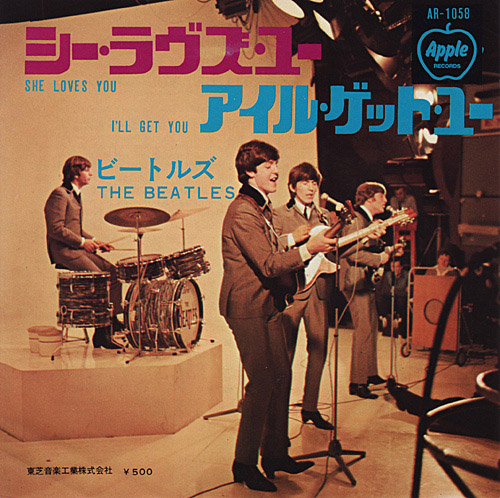 |
 |
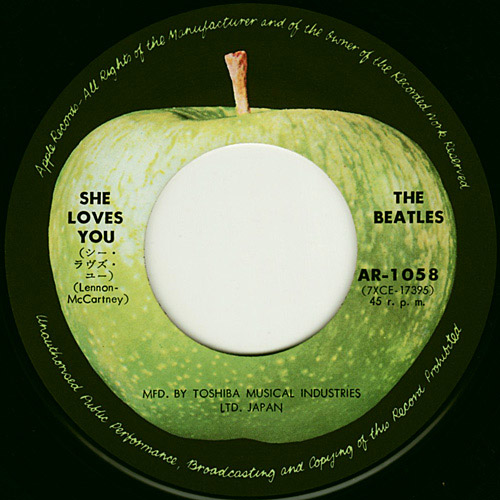 |
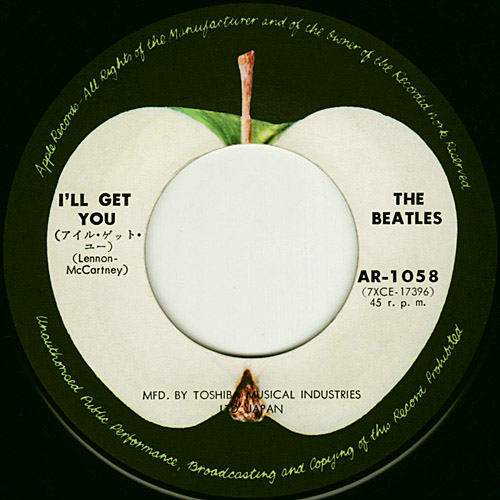 |
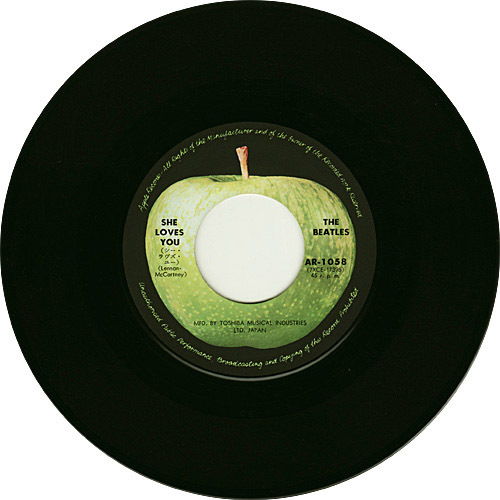 |
|
|
LYRIC SHEET: INSIDE
|
INNER SLEEVE
|
LYRIC SHEET: FRONT
CLOSE UP
|
|||
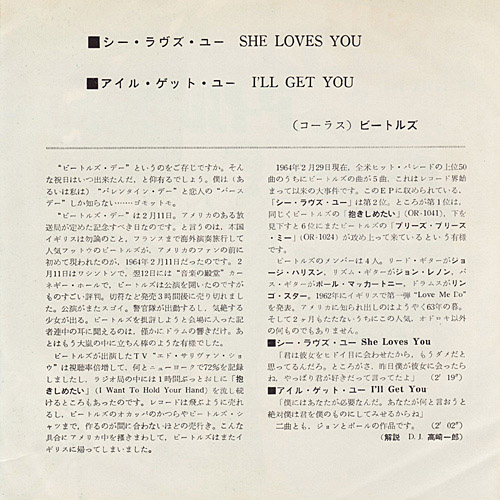 |
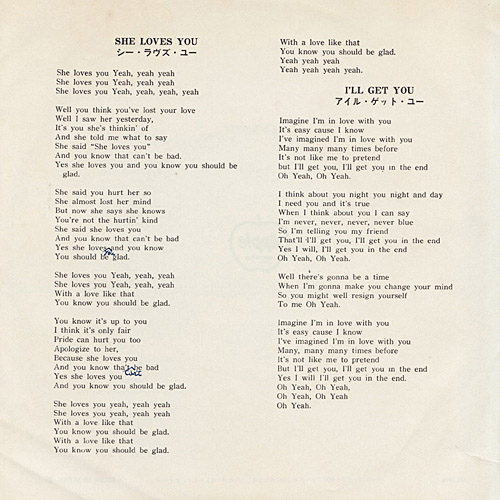 |
|
 |
Apple logomark and catalog No. "AR-1058" were printed at the right corner of the lyric sheet. | |
|
LYRIC SHEET: FRONT
CLOSE UP
|
LYRIC SHEET: BACK CLOSE UP |
LABEL CLOSE UP
|
|||
 |
|
|
|||
|
The words "Toshiba Musical Industries Ltd."
and "¥500" were printed at the bottom of the lyric sheet.
|
"MADE IN JAPAN." and "H" were
printed at the lyric sheet.
|
The words "MFD. BY TOSHIBA MUSICAL INDUSTRIES LTD. JAPAN" was printed at the bottom of the label. | |||
|
OTHER ITEM
|
|||||
|
-
|
|||||
|
RECORD LABEL
|
Apple type 2-1-A | ||||
|
CATALOG NUMBER
|
AR-1058 | ||||
|
MATRIX NUMBER
|
SIDE 1
|
7XCE-17395 2S 7 | |||
|
SIDE 2
|
7XCE-17396 2S 8 | ||||
|
PRESS MARK
|
3-H (?) | ||||
|
VINYL COLOR
|
Black | ||||
| DISK EDGE | Groove Guard | ||||
|
LYRIC SHEET STYLE
|
Bifold | ||||
|
INNER SLEEVE TYPE
|
Apple Black Sleeve | ||||
|
MIX
|
Mono | ||||
|
RECORD COMPANY'S NAME
|
COVER
|
Toshiba Ongaku kogyo Kabusikigaisha | |||
|
LABEL
|
MFD. BY TOSHIBA MUSICAL INDUSTRIES LTD. JAPAN |
||||
|
SYMBOL/PRICE
|
H-500YEN | ||||
|
COMMENTS
|
Reissue of #3-6. Light Green Apple label. In 1969, Toshiba had to reissue on the Apple label all the records previously issued on the Odeon label. And in the Apple label, there are two subtypes, TOSHIBA MUSICAL INDUSTRIES and TOSHIBA EMI. Further more, the early copies of the APPLE-TOSHIBA MUSICAL INDUSTRIES type have dark Apple on its label, though the late copies have light one. |
||||
|
TRACK LISTING
|
SIDE 1
|
She Loves You (Lennon-McCartney) | |||
|
SIDE 2
|
I'll Get You (Lennon-McCartney) | ||||
|
RELEASE DATE
|
September 1976?/8th. Press | ||||
|
LYRIC SHEET (Bifold)
|
SIDE 2 -->Click! | DISK -->Click! | |||
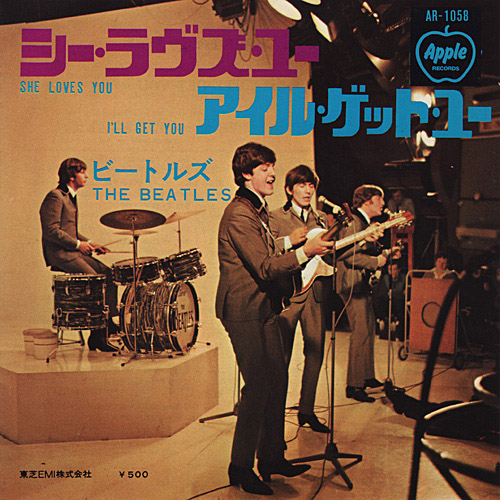 |
 |
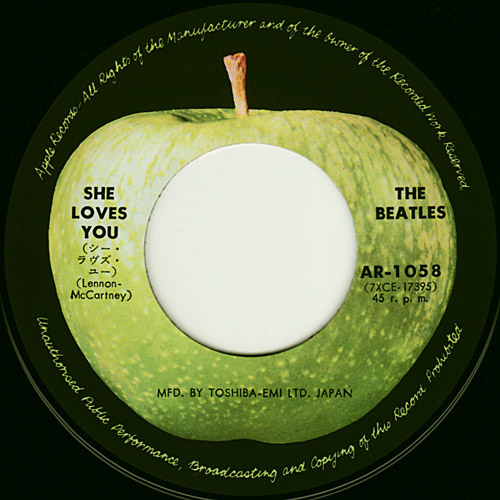 |
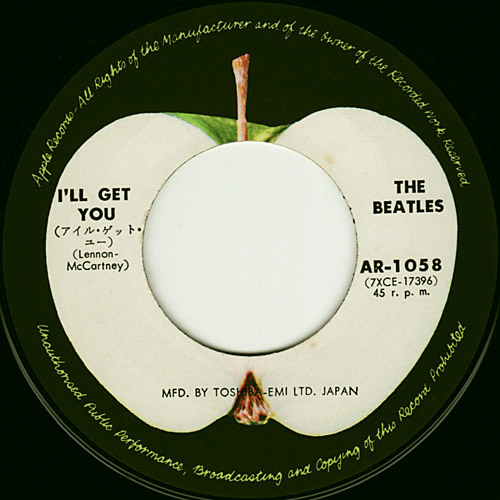 |
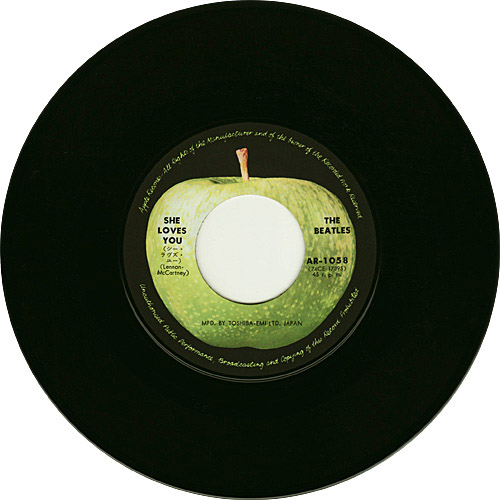 |
|
|
LYRIC SHEET: INSIDE
|
INNER SLEEVE
|
LYRIC SHEET: FRONT
CLOSE UP
|
|||
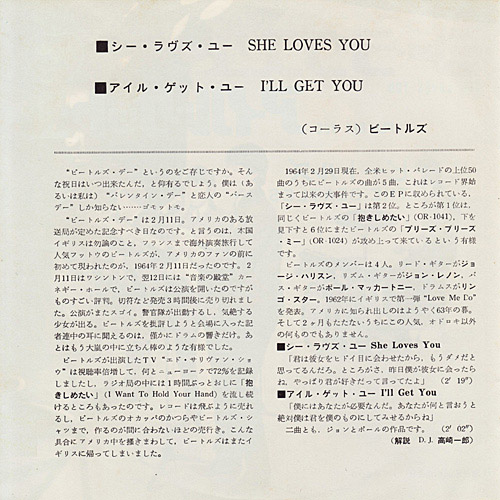 |
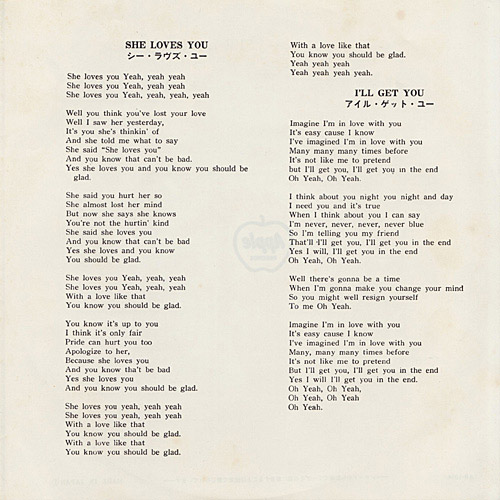 |
|
 |
Apple logomark and catalog No. "AR-1058" were printed at the right corner of the lyric sheet. | |
|
LYRIC SHEET: FRONT
CLOSE UP
|
LYRIC SHEET: BACK CLOSE UP |
LABEL CLOSE UP
|
|||
 |
 |
|
|||
|
The words "Toshiba EMI Ltd." and "¥500"
were printed at
the bottom of the lyric sheet.
|
"MADE IN JAPAN" and "I" were
printed
at the lyric sheet.
|
The words "MFD. BY TOSHIBA-EMI LTD. JAPAN" was printed at the bottom of the label. | |||
|
OTHER ITEM
|
|||||
|
-
|
|||||
|
RECORD LABEL
|
Apple type 2-2 | ||||
|
CATALOG NUMBER
|
AR-1058 | ||||
|
MATRIX NUMBER
|
SIDE 1
|
7XCE-17395 2S 17 | |||
|
SIDE 2
|
7XCE-17396 2S 21 | ||||
|
PRESS MARK
|
6-9 C 7 CX 7Z(?) | ||||
|
VINYL COLOR
|
Black | ||||
| DISK EDGE | Groove Guard | ||||
|
LYRIC SHEET STYLE
|
Bifold | ||||
|
INNER SLEEVE TYPE
|
Apple Black Sleeve | ||||
|
MIX
|
Mono | ||||
|
RECORD COMPANY'S NAME
|
COVER
|
Toshiba EMI Kabusikigaisha | |||
|
LABEL
|
MFD. BY TOSHIBA-EMI LTD. JAPAN | ||||
|
SYMBOL/PRICE
|
I-500YEN | ||||
|
COMMENTS
|
Reissue of #3-8. Light Green Apple label. In 1969, Toshiba had to reissue on the Apple label all the records previously issued on the Odeon label. And in the Apple label, there are two subtypes, TOSHIBA MUSICAL INDUSTRIES and TOSHIBA EMI. Further more, the early copies of the APPLE-TOSHIBA MUSICAL INDUSTRIES type have dark Apple on its label, though the late copies have light one. |
||||
|
TRACK LISTING
|
SIDE 1
|
Can't Buy Me Love (Lennon-McCartney) | |||
|
SIDE 2
|
You Can't Do That (Lennon-McCartney) | ||||
|
RELEASE DATE
|
5th April.1964/First Press | ||||
|
LYRIC SHEET (Bifold)
|
DISK -->Click! | ||||
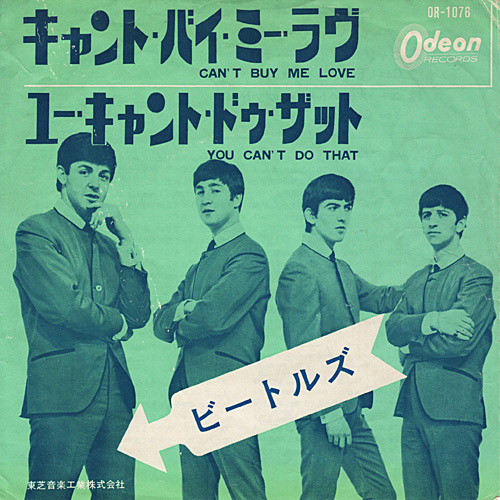 |
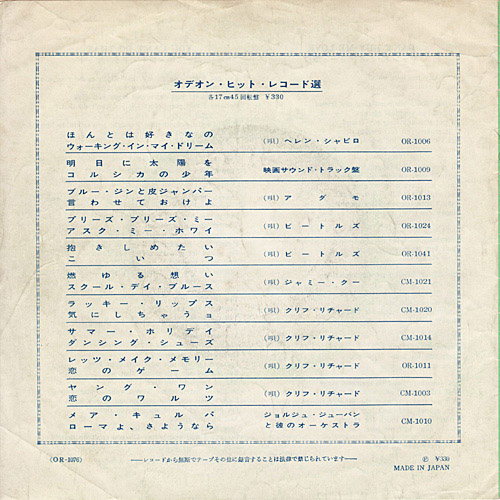 |
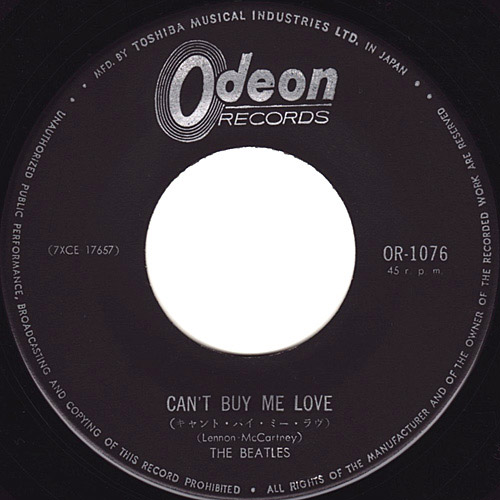 |
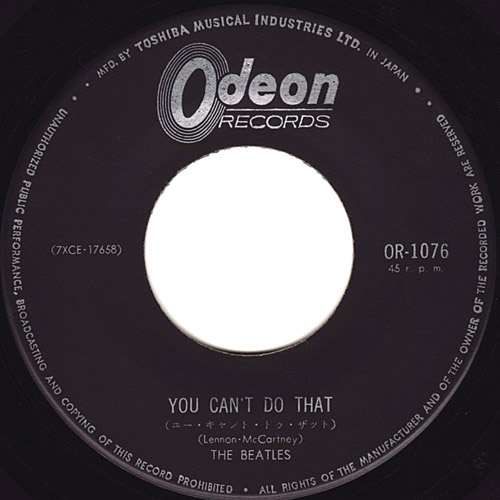 |
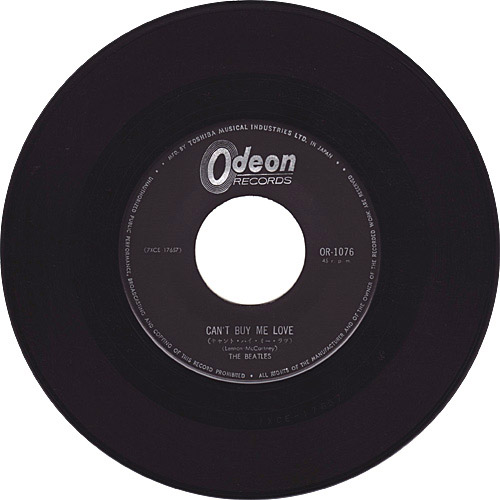 |
|
|
LYRIC SHEET: INSIDE
|
INNER SLEEVE
|
LYRIC SHEET: FRONT
CLOSE UP
|
|||
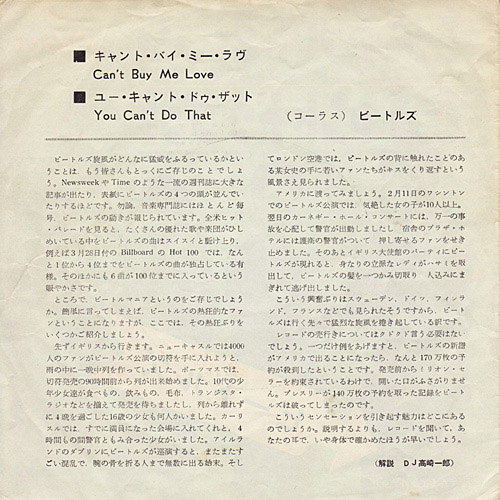 |
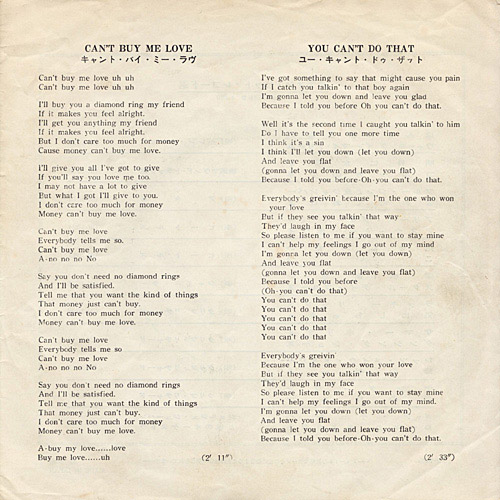 |
|
 |
Odeon logomark and catalog No. "OR-1076" were printed at the top of the lyric sheet. | |
|
LYRIC SHEET: FRONT
CLOSE UP
|
LYRIC SHEET: BACK CLOSE
UP
|
LABEL CLOSE UP | |||
 |
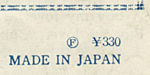 |
|
|||
|
The words "Toshiba Musical Industries Ltd."
was printed at the bottom of the lyric sheet.
|
"MADE IN JAPAN" and "F-¥330" were printed
at
the bottom of the lyric sheet.
|
The words "MFD. BY TOSHIBA MUSICAL INDUSTRIES LTD. IN JAPAN" was printed at the perimeter. | |||
|
OTHER ITEM
|
|||||
|
-
|
|||||
|
RECORD LABEL
|
Odeon type 1 | ||||
|
CATALOG NUMBER
|
OR-1076 | ||||
|
MATRIX NUMBER |
SIDE 1
|
7XCE-17657 37(?) | |||
|
SIDE 2
|
7XCE-17658 33(?) | ||||
|
PRESS MARK
|
7L(?) -> 8E -> 8H(?) | ||||
|
VINYL COLOR
|
Black | ||||
| DISK EDGE | Flat Edge | ||||
|
LYRIC SHEET STYLE
|
Bifold | ||||
|
INNER SLEEVE TYPE
|
Toshiba Records Sleeve type 1 | ||||
|
MIX
|
Mono | ||||
|
RECORD COMPANY'S NAME
|
COVER
|
Toshiba Ongaku kogyo Kabusikigaisha | |||
|
LABEL
|
MFD. BY TOSHIBA MUSICAL INDUSTRIES LTD. IN JAPAN | ||||
|
SYMBOL/PRICE
|
F-330YEN | ||||
|
COMMENTS
|
Toshiba's official name
was "Toshiba Musical Industries Ltd." and they used the Odeon label for
the Beatles releases. This single was manufactured two ways: both Black and Red vinyl. |
||||
|
TRACK LISTING
|
SIDE 1
|
Can't Buy Me Love (Lennon-McCartney) | |||
|
SIDE 2
|
You Can't Do That (Lennon-McCartney) | ||||
|
RELEASE DATE
|
5th April.1964/First Press | ||||
|
LYRIC SHEET (Bifold)
|
DISK -->Click! | ||||
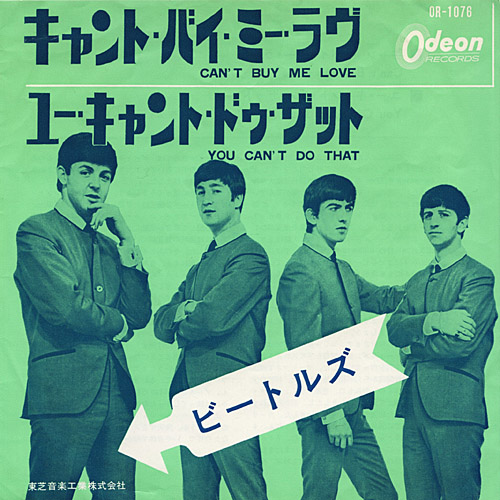 |
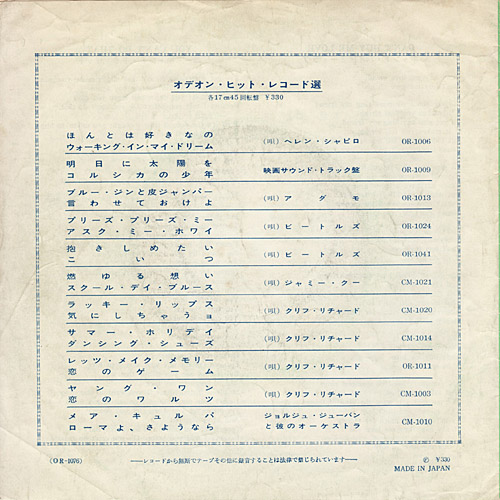 |
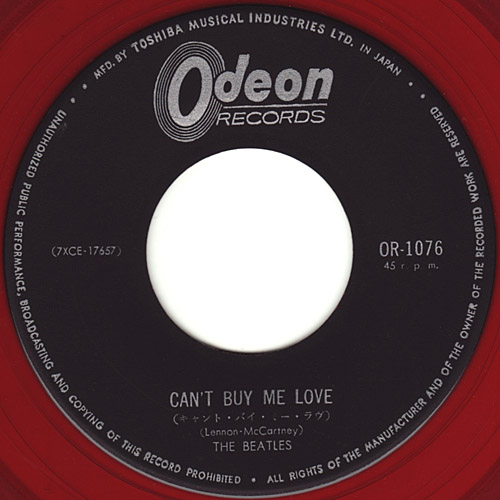 |
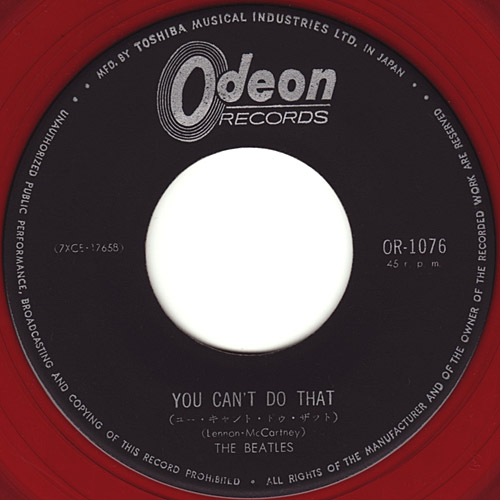 |
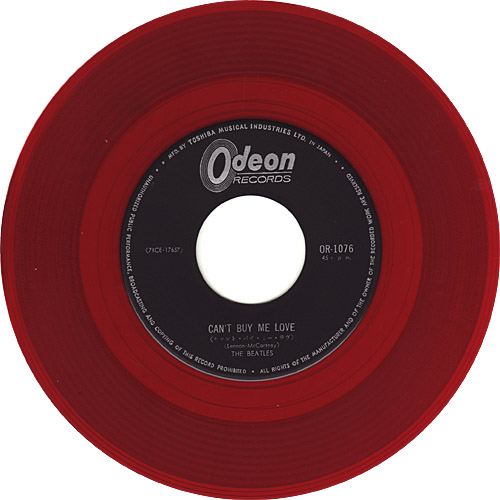 |
|
|
LYRIC SHEET: INSIDE
|
INNER SLEEVE
|
LYRIC SHEET: FRONT
CLOSE UP
|
|||
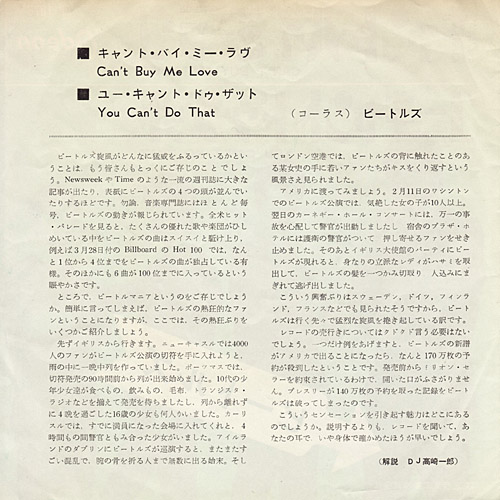 |
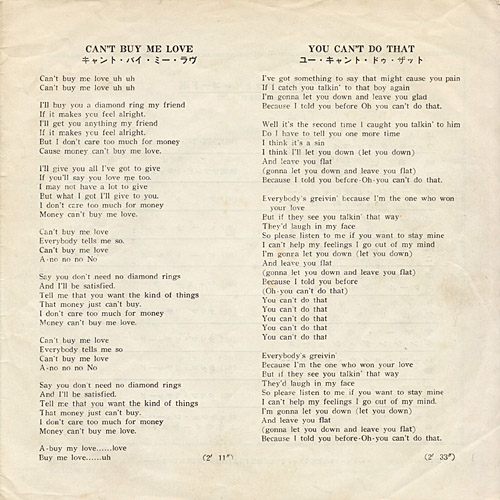 |
|
 |
Odeon logomark and catalog No. "OR-1076" were printed at the top of the lyric sheet. | |
|
LYRIC SHEET: FRONT
CLOSE UP
|
LYRIC SHEET: BACK CLOSE
UP
|
LABEL CLOSE UP | |||
 |
 |
|
|||
|
The words "Toshiba Musical Industries Ltd."
was printed at the bottom of the lyric sheet.
|
"MADE IN JAPAN" and "F-¥330" were printed
at
the bottom of the lyric sheet.
|
The words "MFD. BY TOSHIBA MUSICAL INDUSTRIES LTD. IN JAPAN" was printed at the perimeter. | |||
|
OTHER ITEM
|
|||||
|
-
|
|||||
|
RECORD LABEL
|
Odeon type 1 | ||||
|
CATALOG NUMBER
|
OR-1076 | ||||
|
MATRIX NUMBER |
SIDE 1
|
7XCE-17657 - 2 3 | |||
|
SIDE 2
|
7XCE-17658 1 | ||||
|
PRESS MARK
|
B5 | ||||
|
VINYL COLOR
|
Red | ||||
| DISK EDGE | Flat Edge | ||||
|
LYRIC SHEET STYLE
|
Bifold | ||||
|
INNER SLEEVE TYPE
|
Toshiba Records Sleeve type 1 | ||||
|
MIX
|
Mono | ||||
|
RECORD COMPANY'S NAME
|
COVER
|
Toshiba Ongaku kogyo Kabusikigaisha | |||
|
LABEL
|
MFD. BY TOSHIBA MUSICAL INDUSTRIES LTD. IN JAPAN | ||||
|
SYMBOL/PRICE
|
F-330YEN | ||||
|
COMMENTS
|
Toshiba's official name
was "Toshiba Musical Industries Ltd." and they used the Odeon label for
the Beatles releases. This single was manufactured two ways: both Black and Red vinyl. |
||||
|
TRACK LISTING
|
SIDE 1
|
Can't Buy Me Love (Lennon-McCartney) | |||
|
SIDE 2
|
You Can't Do That (Lennon-McCartney) | ||||
|
RELEASE DATE
|
November 1967? /Second Press | ||||
|
LYRIC SHEET (Bifold)
|
DISK -->Click! | ||||
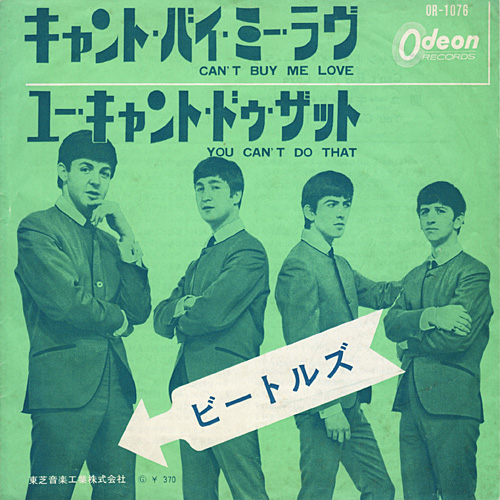 |
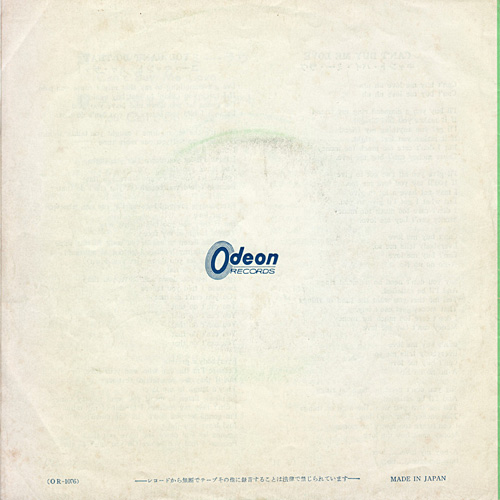 |
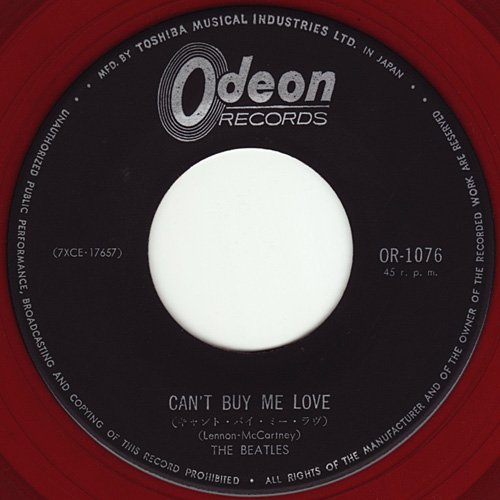 |
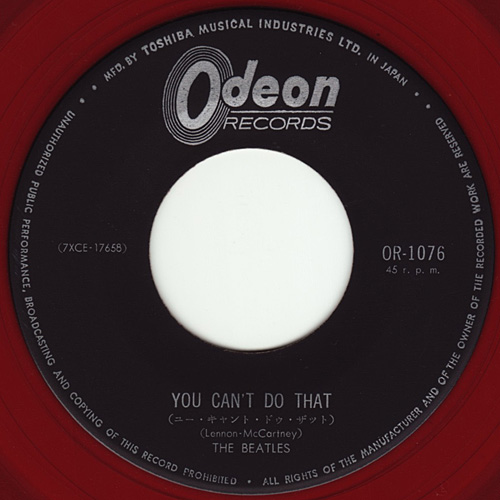 |
 |
|
|
LYRIC SHEET: INSIDE
|
LYRIC SHEET: FRONT
CLOSE UP
|
||||
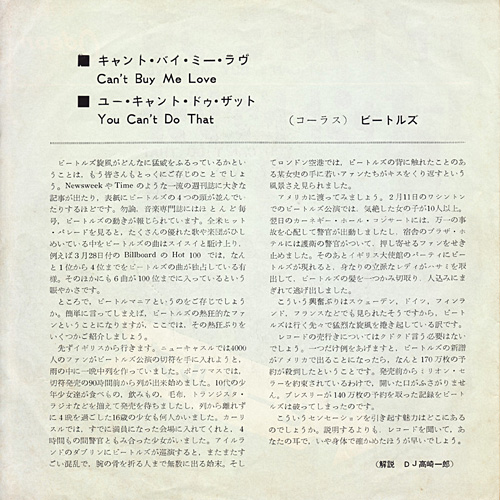 |
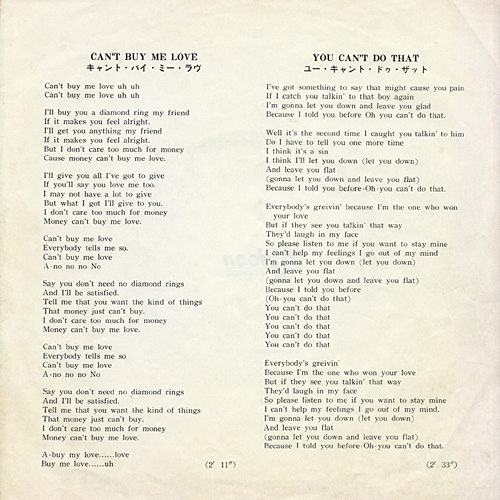 |
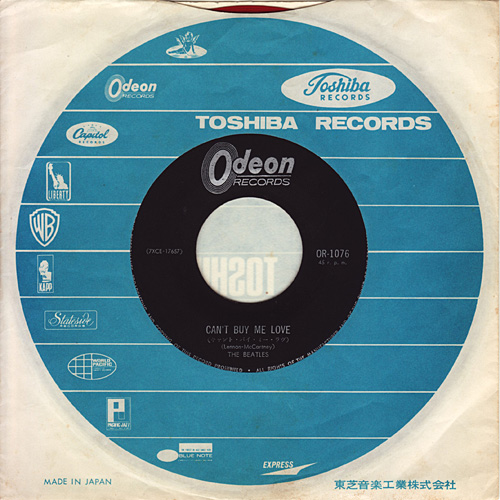 |
 |
Odeon logomark and catalog No. "OR-1076" were printed at the top of the lyric sheet. | |
|
LYRIC SHEET: FRONT
CLOSE UP
|
LYRIC SHEET: BACK CLOSE
UP
|
||||
 |
 |
 |
|||
|
The words "Toshiba Musical Industries Ltd."
and "G ¥370" were printed
at the bottom of the lyric sheet.
|
"MADE IN JAPAN" was printed
at
the bottom of the lyric sheet.
|
Odeon logomark was printed at the center of the back cover. | |||
| LABEL CLOSE UP | |||||
|
The words "MFD. BY TOSHIBA MUSICAL INDUSTRIES LTD. IN JAPAN" was printed at the perimeter. | ||||
|
OTHER ITEM
|
|||||
|
-
|
|||||
|
RECORD LABEL
|
Odeon type 1 | ||||
|
CATALOG NUMBER
|
OR-1076 | ||||
|
MATRIX NUMBER |
SIDE 1
|
7XCE-17657 - 33 (?) | |||
|
SIDE 2
|
7XCE-17658 23 | ||||
|
PRESS MARK
|
7L | ||||
|
VINYL COLOR
|
Red | ||||
| DISK EDGE | Flat Edge | ||||
|
LYRIC SHEET STYLE
|
Bifold | ||||
|
INNER SLEEVE TYPE
|
Toshiba Records Sleeve type 2-1 (without Apple logo type) | ||||
|
MIX
|
Mono | ||||
|
RECORD COMPANY'S NAME
|
COVER
|
Toshiba Ongaku kogyo Kabusikigaisha | |||
|
LABEL
|
MFD. BY TOSHIBA MUSICAL INDUSTRIES LTD. IN JAPAN | ||||
|
SYMBOL/PRICE
|
G-370YEN | ||||
|
COMMENTS
|
Reissue of #4-2. G-¥370 type. Odeon logomark was printed at the senter of the back cover. Toshiba's official name was "Toshiba Musical Industries Ltd." and they used the Odeon label for the Beatles releases. This single was manufactured two ways: both Black and Red vinyl. |
||||
|
TRACK LISTING
|
SIDE 1
|
Can't Buy Me Love (Lennon-McCartney) | |||
|
SIDE 2
|
You Can't Do That (Lennon-McCartney) | ||||
|
RELEASE DATE
|
October 1968?/4th. Press | ||||
|
LYRIC SHEET (Bifold)
|
DISK -->Click! | ||||
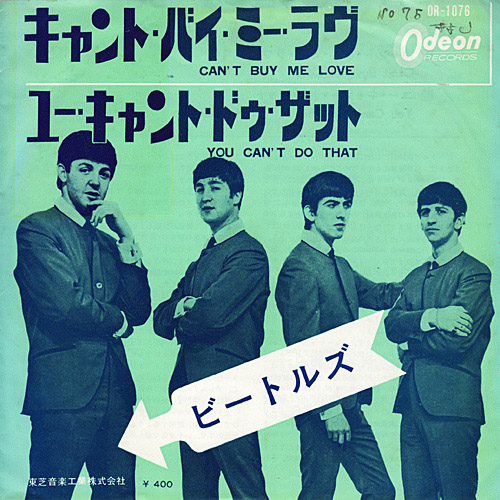 |
 |
 |
 |
 |
|
|
LYRIC SHEET: INSIDE
|
LYRIC SHEET: FRONT
CLOSE UP
|
||||
 |
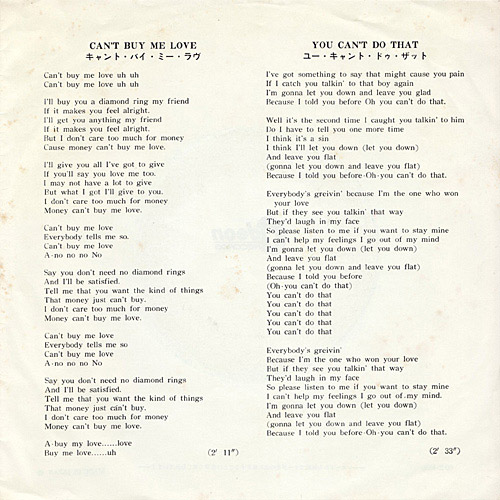 |
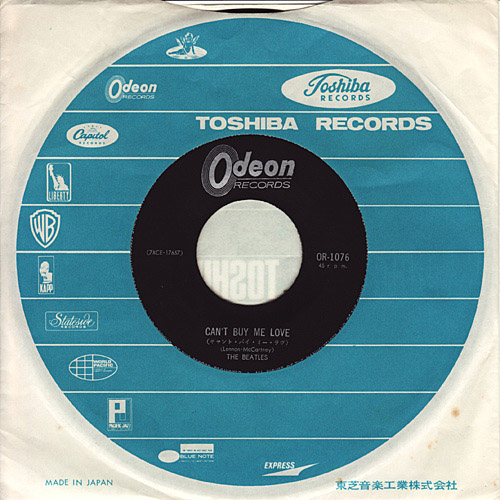 |
 |
Odeon logomark and catalog No. "OR-1076" were printed at the top of the lyric sheet. | |
|
LYRIC SHEET: FRONT
CLOSE UP
|
LYRIC SHEET: BACK CLOSE
UP
|
LABEL CLOSE UP | |||
 |
 |
|
|||
|
The words "Toshiba Musical Industries Ltd."
and "¥400" were printed at
the bottom of the lyric sheet.
|
"MADE IN JAPAN" and "H" were printed
at
the bottom of the lyric sheet.
|
The words "MFD. BY TOSHIBA MUSICAL INDUSTRIES LTD. IN JAPAN" was printed at the perimeter. | |||
|
OTHER ITEM
|
|||||
|
-
|
|||||
|
RECORD LABEL
|
Odeon type 1 | ||||
|
CATALOG NUMBER
|
OR-1076 | ||||
|
MATRIX NUMBER |
SIDE 1
|
7XCE-17657 33(?) | |||
|
SIDE 2
|
7XCE-17658 33(?) | ||||
|
PRESS MARK
|
7L -> 8E -> 8H -> 8K |
||||
|
VINYL COLOR
|
Black | ||||
| DISK EDGE | Groove Guard | ||||
|
LYRIC SHEET STYLE
|
Bifold | ||||
|
INNER SLEEVE TYPE
|
Toshiba Records Sleeve type 2-1 (without Apple logo type) | ||||
|
MIX
|
Mono | ||||
|
RECORD COMPANY'S NAME
|
COVER
|
Toshiba Ongaku kogyo Kabusikigaisha | |||
|
LABEL
|
MFD. BY TOSHIBA MUSICAL INDUSTRIES LTD. IN JAPAN | ||||
|
SYMBOL/PRICE
|
H-400YEN | ||||
|
COMMENTS
|
Reissue of #4-4. H-¥400 type. Odeon logomark was printed at the senter of the back cover. Toshiba's official name was "Toshiba Musical Industries Ltd." and they used the Odeon label for the Beatles releases. This single was manufactured two ways: both Black and Red vinyl (maybe). |
||||
|
TRACK LISTING
|
SIDE 1
|
Can't Buy Me Love (Lennon-McCartney) | |||
|
SIDE 2
|
You Can't Do That (Lennon-McCartney) | ||||
|
RELEASE DATE
|
November 1971?/6th. Press | ||||
|
LYRIC SHEET (Bifold)
|
SIDE 2 -->Click! | DISK -->Click! | |||
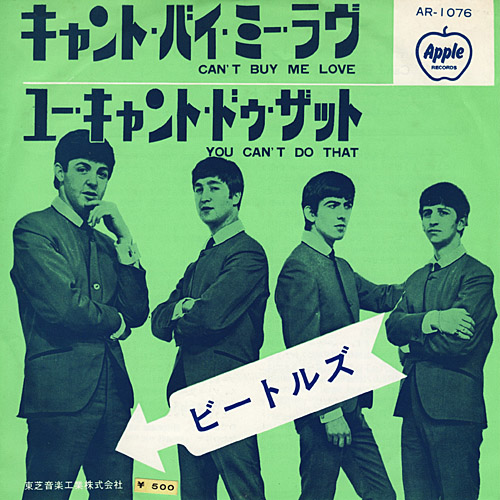 |
 |
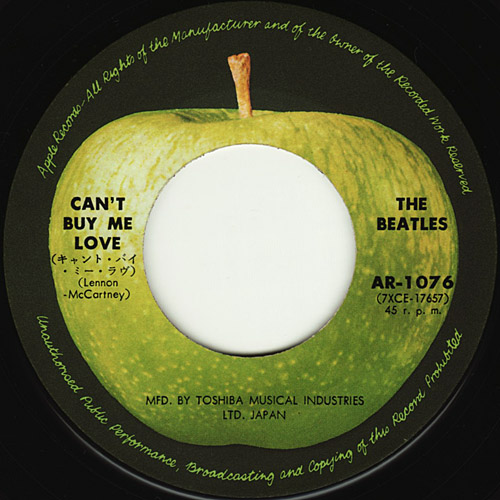 |
 |
 |
|
|
LYRIC SHEET: INSIDE
|
INNER SLEEVE
|
LYRIC SHEET: FRONT
CLOSE UP
|
|||
 |
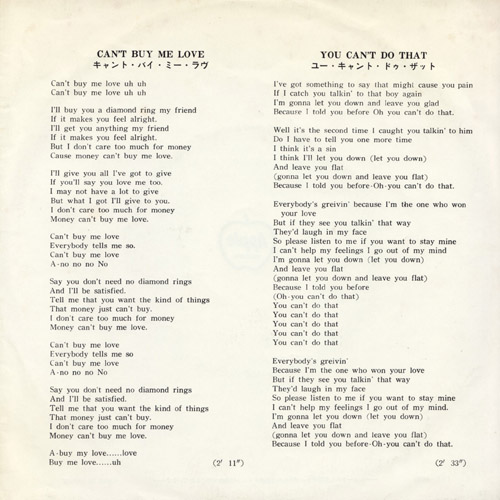 |
|
|
Apple logomark and catalog No. "AR-1076" were printed at the right corner of the lyric sheet. | |
|
LYRIC SHEET: FRONT
CLOSE UP
|
LYRIC SHEET: BACK CLOSE UP |
LABEL CLOSE UP
|
|||
 |
 |
|
|||
|
The words "Toshiba Musical Industries Ltd."
and "¥400 (pasted sticker "500YEN")" were printed at the lyric
sheet.
|
"MADE IN JAPAN" was
printed at the lyric sheet.
|
The words "MFD. BY TOSHIBA MUSICAL INDUSTRIES LTD. JAPAN" was printed at the bottom of the label. | |||
|
OTHER ITEM
|
|||||
|
-
|
|||||
|
RECORD LABEL
|
Apple type 2-1-A | ||||
|
CATALOG NUMBER
|
AR-1076 | ||||
|
MATRIX NUMBER
|
SIDE 1
|
7XCE-17657-2 16 | |||
|
SIDE 2
|
7XCE-17658-2 15 | ||||
|
PRESS MARK
|
1D -> 1L | ||||
|
VINYL COLOR
|
Black | ||||
| DISK EDGE | Groove Guard | ||||
|
LYRIC SHEET STYLE
|
Bifold | ||||
|
INNER SLEEVE TYPE
|
Apple Black Sleeve | ||||
|
MIX
|
Mono | ||||
|
RECORD COMPANY'S NAME
|
COVER
|
Toshiba Ongaku kogyo Kabusikigaisha | |||
|
LABEL
|
MFD. BY TOSHIBA MUSICAL INDUSTRIES LTD. JAPAN |
||||
|
SYMBOL/PRICE
|
No Symbol-400YEN (pasted sticker "500YEN") | ||||
|
COMMENTS
|
Reissue of #4-6. Light Green Apple label. In 1969, Toshiba had to reissue on the Apple label all the records previously issued on the Odeon label. And in the Apple label, there are two subtypes, TOSHIBA MUSICAL INDUSTRIES and TOSHIBA EMI. Further more, the early copies of the APPLE-TOSHIBA MUSICAL INDUSTRIES type have dark Apple on its label, though the late copies have light one. |
||||
|
TRACK LISTING
|
SIDE 1
|
Can't Buy Me Love (Lennon-McCartney) | |||
|
SIDE 2
|
You Can't Do That (Lennon-McCartney) | ||||
|
RELEASE DATE
|
November 1971?/6th. Press | ||||
|
LYRIC SHEET (Bifold)
|
SIDE 2 -->Click! | DISK -->Click! | |||
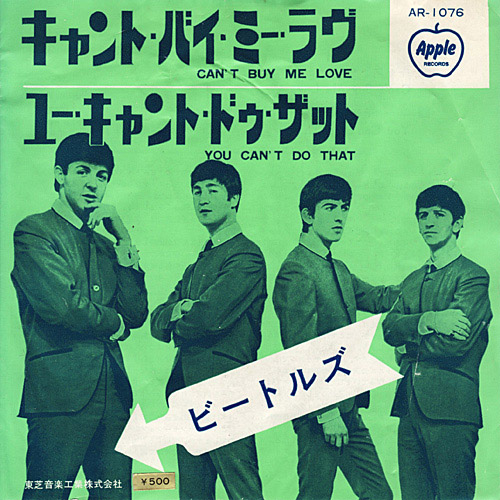 |
 |
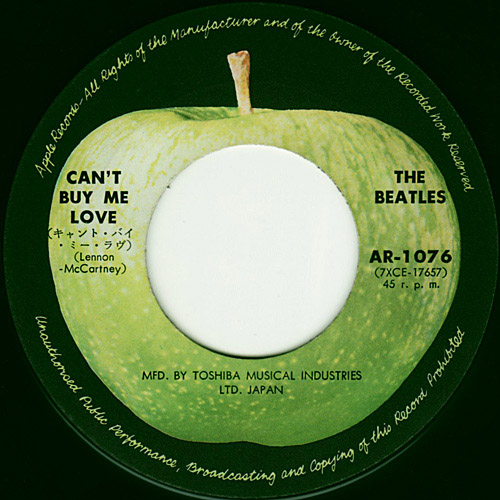 |
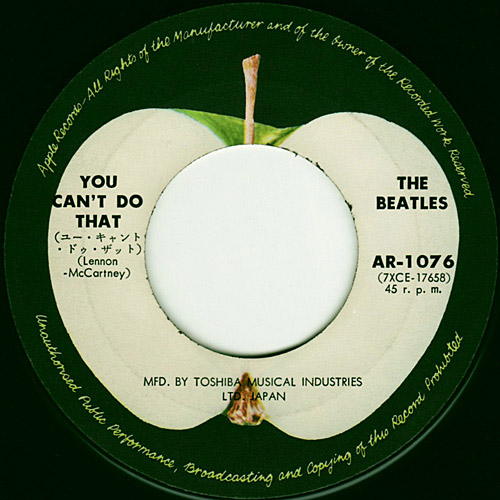 |
 |
|
|
LYRIC SHEET: INSIDE
|
INNER SLEEVE
|
LYRIC SHEET: FRONT
CLOSE UP
|
|||
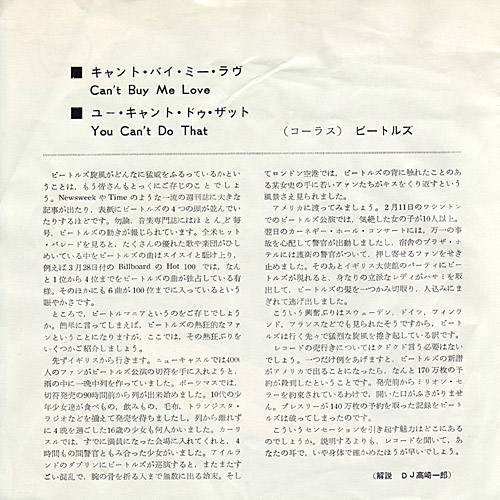 |
 |
|
|
Apple logomark and catalog No. "AR-1076" were printed at the right corner of the lyric sheet. | |
|
LYRIC SHEET: FRONT
CLOSE UP
|
LYRIC SHEET: BACK CLOSE UP |
LABEL CLOSE UP
|
|||
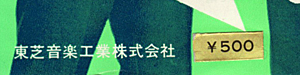 |
 |
|
|||
|
The words "Toshiba Musical Industries Ltd."
and "¥400 (pasted sticker "500YEN")" were printed at the lyric
sheet.
|
"MADE IN JAPAN" was
printed at the lyric sheet.
|
The words "MFD. BY TOSHIBA MUSICAL INDUSTRIES LTD. JAPAN" was printed at the bottom of the label. | |||
|
OTHER ITEM
|
|||||
|
-
|
|||||
|
RECORD LABEL
|
Apple type 2-1-A | ||||
|
CATALOG NUMBER
|
AR-1076 | ||||
|
MATRIX NUMBER
|
SIDE 1
|
7XCE-17657-2 16 | |||
|
SIDE 2
|
7XCE-17658-2 15 | ||||
|
PRESS MARK
|
1D -> 1L | ||||
|
VINYL COLOR
|
Black | ||||
| DISK EDGE | Groove Guard | ||||
|
LYRIC SHEET STYLE
|
Bifold | ||||
|
INNER SLEEVE TYPE
|
Apple Black Sleeve | ||||
|
MIX
|
Mono | ||||
|
RECORD COMPANY'S NAME
|
COVER
|
Toshiba Ongaku kogyo Kabusikigaisha | |||
|
LABEL
|
MFD. BY TOSHIBA MUSICAL INDUSTRIES LTD. JAPAN |
||||
|
SYMBOL/PRICE
|
No Symbol-400YEN (pasted sticker "500YEN") | ||||
|
COMMENTS
|
Reissue of #4-6. Light Green Apple label. In 1969, Toshiba had to reissue on the Apple label all the records previously issued on the Odeon label. And in the Apple label, there are two subtypes, TOSHIBA MUSICAL INDUSTRIES and TOSHIBA EMI. Further more, the early copies of the APPLE-TOSHIBA MUSICAL INDUSTRIES type have dark Apple on its label, though the late copies have light one. |
||||
|
TRACK LISTING
|
SIDE 1
|
Can't Buy Me Love (Lennon-McCartney) | |||
|
SIDE 2
|
You Can't Do That (Lennon-McCartney) | ||||
|
RELEASE DATE
|
December 1971?/6th. Press | ||||
|
LYRIC SHEET (Bifold)
|
SIDE 2 -->Click! | DISK -->Click! | |||
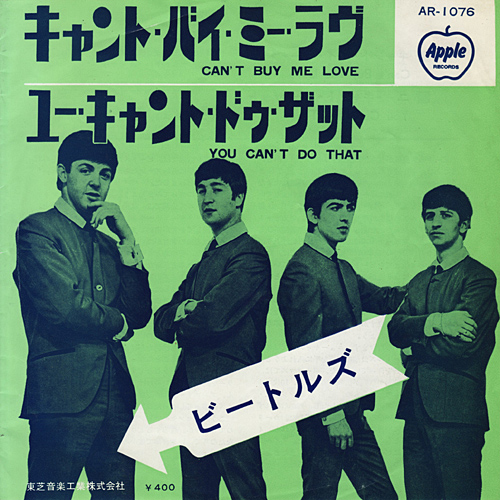 |
 |
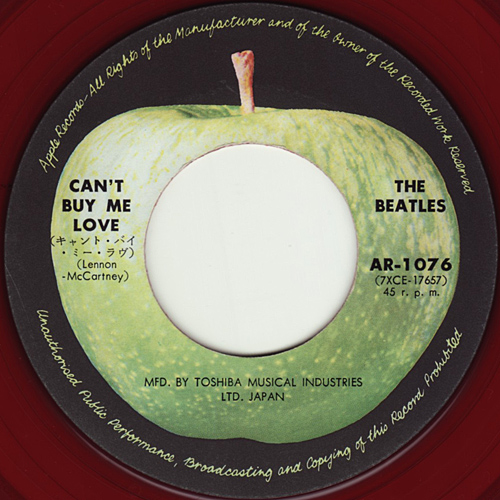 |
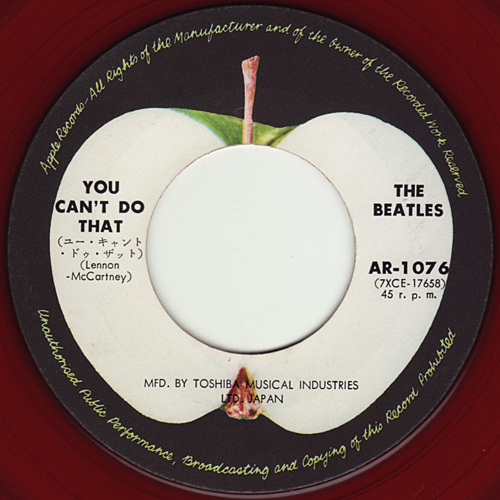 |
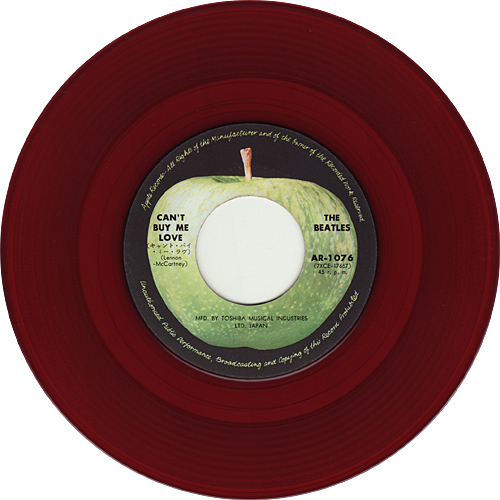 |
|
|
LYRIC SHEET: INSIDE
|
INNER SLEEVE
|
LYRIC SHEET: FRONT
CLOSE UP
|
|||
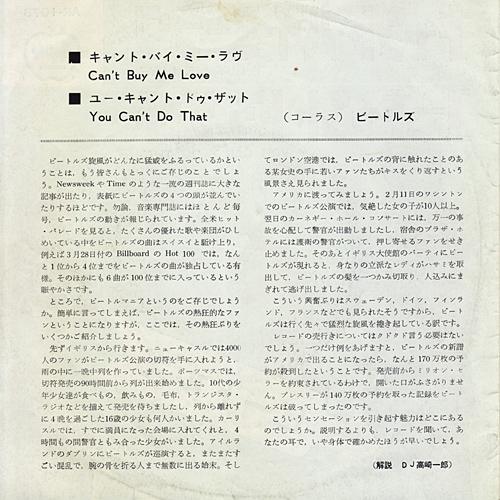 |
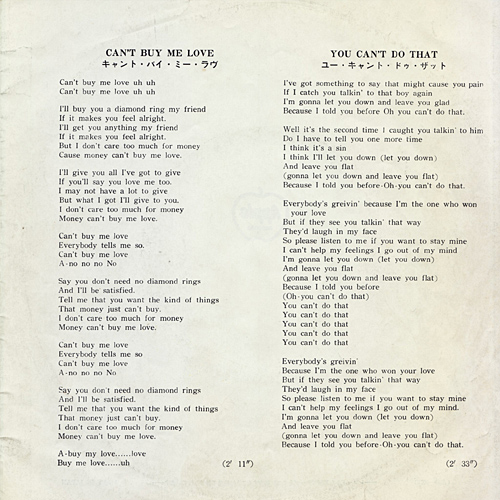 |
|
 |
Apple logomark and catalog No. "AR-1076" were printed at the right corner of the lyric sheet. | |
|
LYRIC SHEET: FRONT
CLOSE UP
|
LYRIC SHEET: BACK CLOSE UP |
LABEL CLOSE UP
|
|||
 |
 |
 |
|||
|
The words "Toshiba Musical Industries Ltd."
and "¥400" were printed at the lyric
sheet.
|
"MADE IN JAPAN" was
printed at the lyric sheet.
|
The words "MFD. BY TOSHIBA MUSICAL INDUSTRIES LTD. JAPAN" was printed at the bottom of the label. | |||
|
OTHER ITEM
|
|||||
|
-
|
|||||
|
RECORD LABEL
|
Apple type 2-1-A | ||||
|
CATALOG NUMBER
|
AR-1076 | ||||
|
MATRIX NUMBER
|
SIDE 1
|
7XCE-17657-2 16 | |||
|
SIDE 2
|
7XCE-17658-2 15 | ||||
|
PRESS MARK
|
1M | ||||
|
VINYL COLOR
|
Red | ||||
| DISK EDGE | Groove Guard | ||||
|
LYRIC SHEET STYLE
|
Bifold | ||||
|
INNER SLEEVE TYPE
|
Apple Black Sleeve | ||||
|
MIX
|
Mono | ||||
|
RECORD COMPANY'S NAME
|
COVER
|
Toshiba Ongaku kogyo Kabusikigaisha | |||
|
LABEL
|
MFD. BY TOSHIBA MUSICAL INDUSTRIES LTD. JAPAN |
||||
|
SYMBOL/PRICE
|
No Symbol-400YEN | ||||
|
COMMENTS
|
Reissue of #4-6. Light Green Apple label. In 1969, Toshiba had to reissue on the Apple label all the records previously issued on the Odeon label. And in the Apple label, there are two subtypes, TOSHIBA MUSICAL INDUSTRIES and TOSHIBA EMI. Further more, the early copies of the APPLE-TOSHIBA MUSICAL INDUSTRIES type have dark Apple on its label, though the late copies have light one. This single was manufactured two ways: both Black and Red vinyl. |
||||
|
TRACK LISTING
|
SIDE 1
|
Can't Buy Me Love (Lennon-McCartney) | |||
|
SIDE 2
|
You Can't Do That (Lennon-McCartney) | ||||
|
RELEASE DATE
|
January 1973? / 7th. Press | ||||
|
LYRIC SHEET (Bifold)
|
SIDE 2 -->Click! | DISK -->Click! | |||
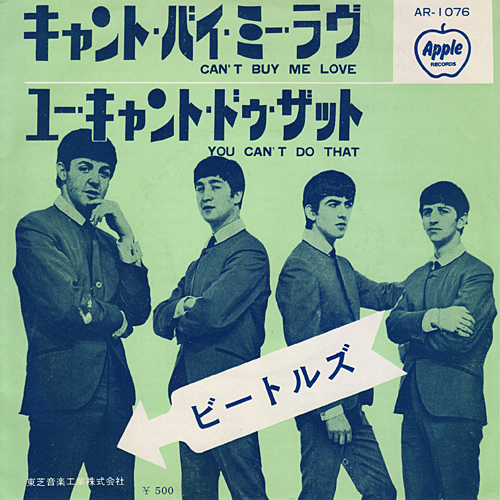 |
 |
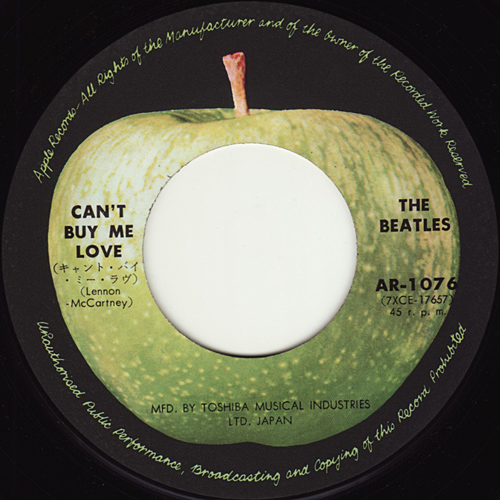 |
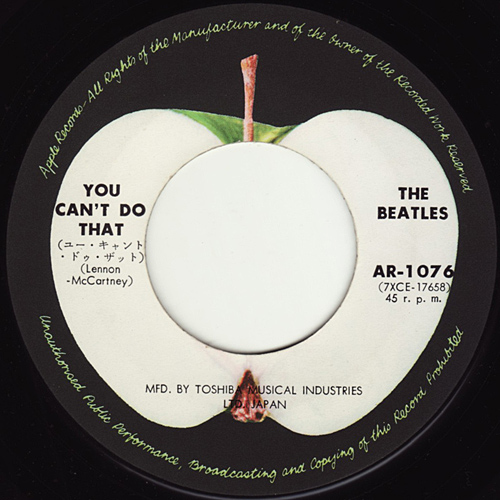 |
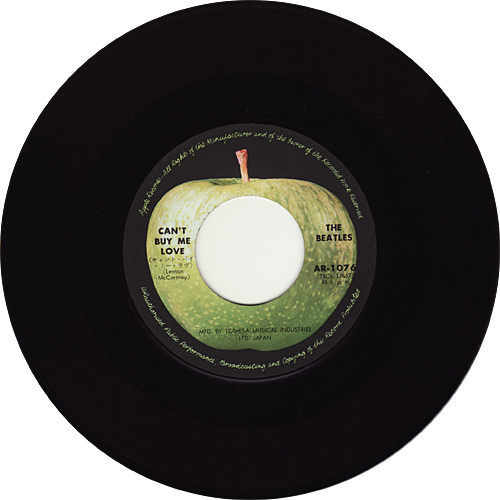 |
|
|
LYRIC SHEET: INSIDE
|
INNER SLEEVE
|
LYRIC SHEET: FRONT
CLOSE UP
|
|||
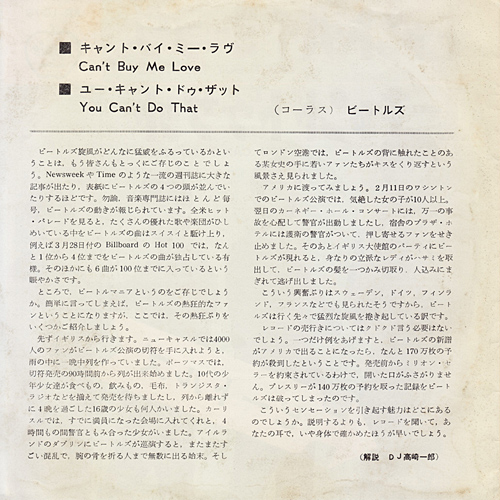 |
 |
|
|
Apple logomark and catalog No. "AR-1058" were printed at the right corner of the lyric sheet. | |
|
LYRIC SHEET: FRONT
CLOSE UP
|
LYRIC SHEET: BACK CLOSE UP |
LABEL CLOSE UP
|
|||
 |
 |
 |
|||
|
The words "Toshiba Musical Industries Ltd."
and "¥500"
were printed at
the bottom of the lyric sheet.
|
"MADE IN JAPAN" was
printed
at the lyric sheet.
|
The words "MFD. BY TOSHIBA MUSICAL INDUSTRIES LTD. JAPAN" was printed at the bottom of the label. | |||
|
OTHER ITEM
|
|||||
|
-
|
|||||
|
RECORD LABEL
|
Apple type 2-1-A | ||||
|
CATALOG NUMBER
|
AR-1076 | ||||
|
MATRIX NUMBER
|
SIDE 1
|
7XCE-17657 24 | |||
|
SIDE 2
|
7XCE-17658-2 16 | ||||
|
PRESS MARK
|
2A -> 2F -> 2K -> 3A | ||||
|
VINYL COLOR
|
Black | ||||
| DISK EDGE | Groove Guard | ||||
|
LYRIC SHEET STYLE
|
Bifold | ||||
|
INNER SLEEVE TYPE
|
Apple Black Sleeve | ||||
|
MIX
|
Mono | ||||
|
RECORD COMPANY'S NAME
|
COVER
|
Toshiba Ongaku kogyo Kabusikigaisha | |||
|
LABEL
|
MFD. BY TOSHIBA MUSICAL INDUSTRIES LTD. JAPAN |
||||
|
SYMBOL/PRICE
|
No Symbol-500YEN | ||||
|
COMMENTS
|
Reissue of #4-8. Light Green Apple label. In 1969, Toshiba had to reissue on the Apple label all the records previously issued on the Odeon label. And in the Apple label, there are two subtypes, TOSHIBA MUSICAL INDUSTRIES and TOSHIBA EMI. Further more, the early copies of the APPLE-TOSHIBA MUSICAL INDUSTRIES type have dark Apple on its label, though the late copies have light one. The cover looks almost identical to the original issue,but the background color of this version is a light shade of red as compared with the darker shade of the original. |
||||
|
TRACK LISTING
|
SIDE 1
|
Can't Buy Me Love (Lennon-McCartney) | |||
|
SIDE 2
|
You Can't Do That (Lennon-McCartney) | ||||
|
RELEASE DATE
|
1976? / 8th. Press | ||||
|
LYRIC SHEET (Bifold)
|
SIDE 2 -->Click! | DISK -->Click! | |||
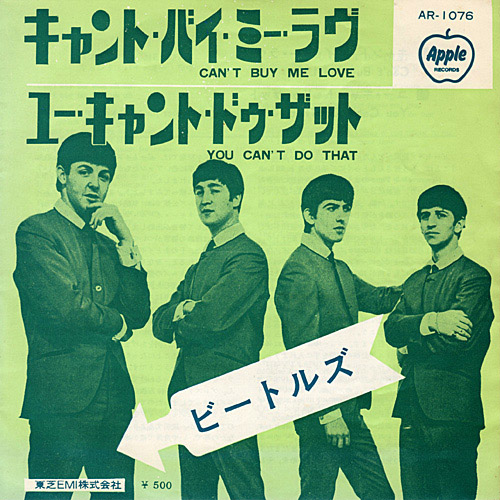 |
 |
 |
 |
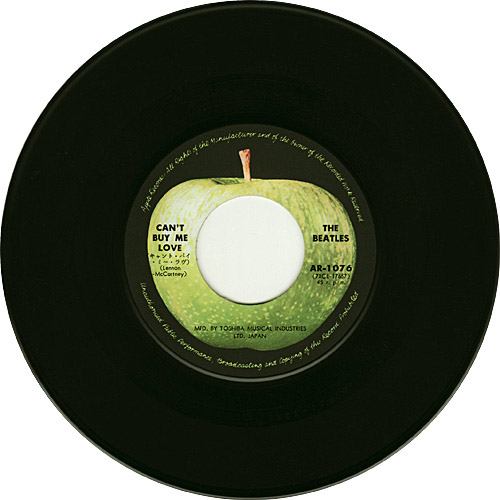 |
|
|
LYRIC SHEET: INSIDE
|
INNER SLEEVE
|
LYRIC SHEET: FRONT
CLOSE UP
|
|||
 |
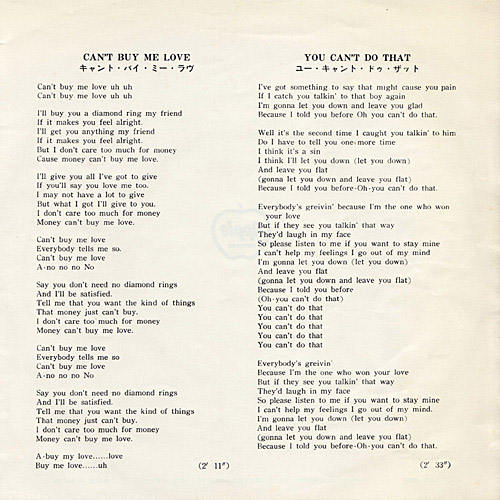 |
|
 |
Apple logomark and catalog No. "AR-1058" were printed at the right corner of the lyric sheet. | |
|
LYRIC SHEET: FRONT
CLOSE UP
|
LYRIC SHEET: BACK CLOSE UP |
LABEL CLOSE UP
|
|||
 |
|
 |
|||
|
The words "Toshiba
EMI Ltd." and "¥500"
were printed at
the bottom of the lyric sheet.
|
"MADE IN JAPAN" was
printed
at the lyric sheet.
|
The words "MFD. BY TOSHIBA MUSICAL INDUSTRIES LTD. JAPAN" was printed at the bottom of the label. | |||
|
OTHER ITEM
|
|||||
|
-
|
|||||
|
RECORD LABEL
|
Apple type 2-1-A | ||||
|
CATALOG NUMBER
|
AR-1076 | ||||
|
MATRIX NUMBER
|
SIDE 1
|
7XCE-17657 | |||
|
SIDE 2
|
7XCE-17658 | ||||
|
PRESS MARK
|
Unknown | ||||
|
VINYL COLOR
|
Black | ||||
| DISK EDGE | Groove Guard | ||||
|
LYRIC SHEET STYLE
|
Bifold | ||||
|
INNER SLEEVE TYPE
|
Apple Black Sleeve | ||||
|
MIX
|
Mono | ||||
|
RECORD COMPANY'S NAME
|
COVER
|
Toshiba EMI Kabusikigaisha | |||
|
LABEL
|
MFD. BY TOSHIBA MUSICAL INDUSTRIES LTD. JAPAN |
||||
|
SYMBOL/PRICE
|
No Symbol-500YEN | ||||
|
COMMENTS
|
Reissue of #4-9. Light Green Apple label. In 1969, Toshiba had to reissue on the Apple label all the records previously issued on the Odeon label. And in the Apple label, there are two subtypes, TOSHIBA MUSICAL INDUSTRIES and TOSHIBA EMI. Further more, the early copies of the APPLE-TOSHIBA MUSICAL INDUSTRIES type have dark Apple on its label, though the late copies have light one. The words "Toshiba EMI Ltd." and "¥500" were printed at the bottom of the lyric sheet. |
||||
|
TRACK LISTING
|
SIDE 1
|
Can't Buy Me Love (Lennon-McCartney) | |||
|
SIDE 2
|
You Can't Do That (Lennon-McCartney) | ||||
|
RELEASE DATE
|
1976? / 9th. Press? | ||||
|
LYRIC SHEET (Bifold)
|
SIDE 2 -->Click! | DISK -->Click! | |||
 |
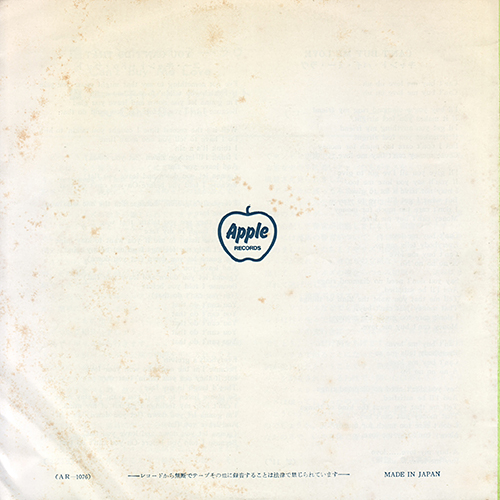 |
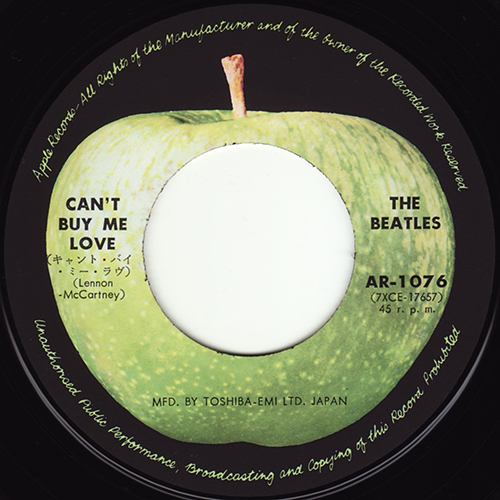 |
 |
 |
|
|
LYRIC SHEET: INSIDE
|
INNER SLEEVE
|
LYRIC SHEET: FRONT
CLOSE UP
|
|||
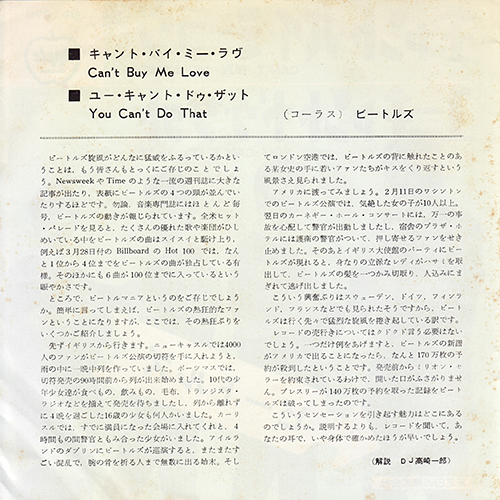 |
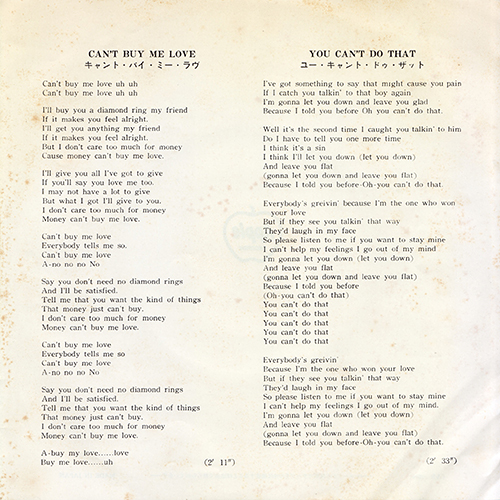 |
|
 |
Apple logomark and catalog No. "AR-1058" were printed at the right corner of the lyric sheet. | |
|
LYRIC SHEET: FRONT
CLOSE UP
|
LYRIC SHEET: BACK CLOSE UP |
LABEL CLOSE UP
|
|||
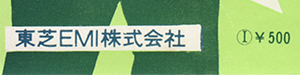 |
 |
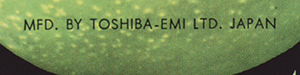 |
|||
|
The words "Toshiba
EMI Ltd." and "I ¥500"
were printed at
the bottom of the lyric sheet.
|
"MADE IN JAPAN" was
printed
at the lyric sheet.
|
The words "MFD. BY TOSHIBA-EMI LTD. JAPAN" was printed at the bottom of the label. | |||
|
OTHER ITEM
|
|||||
|
-
|
|||||
|
RECORD LABEL
|
Apple type 2-2 | ||||
|
CATALOG NUMBER
|
AR-1076 | ||||
|
MATRIX NUMBER
|
SIDE 1
|
7XCE-17657-2 17 |
|||
|
SIDE 2
|
7XCE-17658-2 17 |
||||
|
PRESS MARK
|
3 - 2 6
7 Z (?) |
||||
|
VINYL COLOR
|
Black | ||||
| DISK EDGE | Groove Guard | ||||
|
LYRIC SHEET STYLE
|
Bifold | ||||
|
INNER SLEEVE TYPE
|
Apple Black Sleeve | ||||
|
MIX
|
Mono | ||||
|
RECORD COMPANY'S NAME
|
COVER
|
Toshiba EMI Kabusikigaisha | |||
|
LABEL
|
MFD. BY TOSHIBA-EMI LTD. JAPAN | ||||
|
SYMBOL/PRICE
|
I-500YEN | ||||
|
COMMENTS
|
Reissue of #4-10. Light Green Apple label. In 1969, Toshiba had to reissue on the Apple label all the records previously issued on the Odeon label. And in the Apple label, there are two subtypes, TOSHIBA MUSICAL INDUSTRIES and TOSHIBA EMI. Further more, the early copies of the APPLE-TOSHIBA MUSICAL INDUSTRIES type have dark Apple on its label, though the late copies have light one. The words "Toshiba EMI Ltd." and "I ¥500" were printed at the bottom of the lyric sheet. The words "MFD. BY TOSHIBA-EMI LTD. JAPAN" was printed at the bottom of the label. |
||||
